
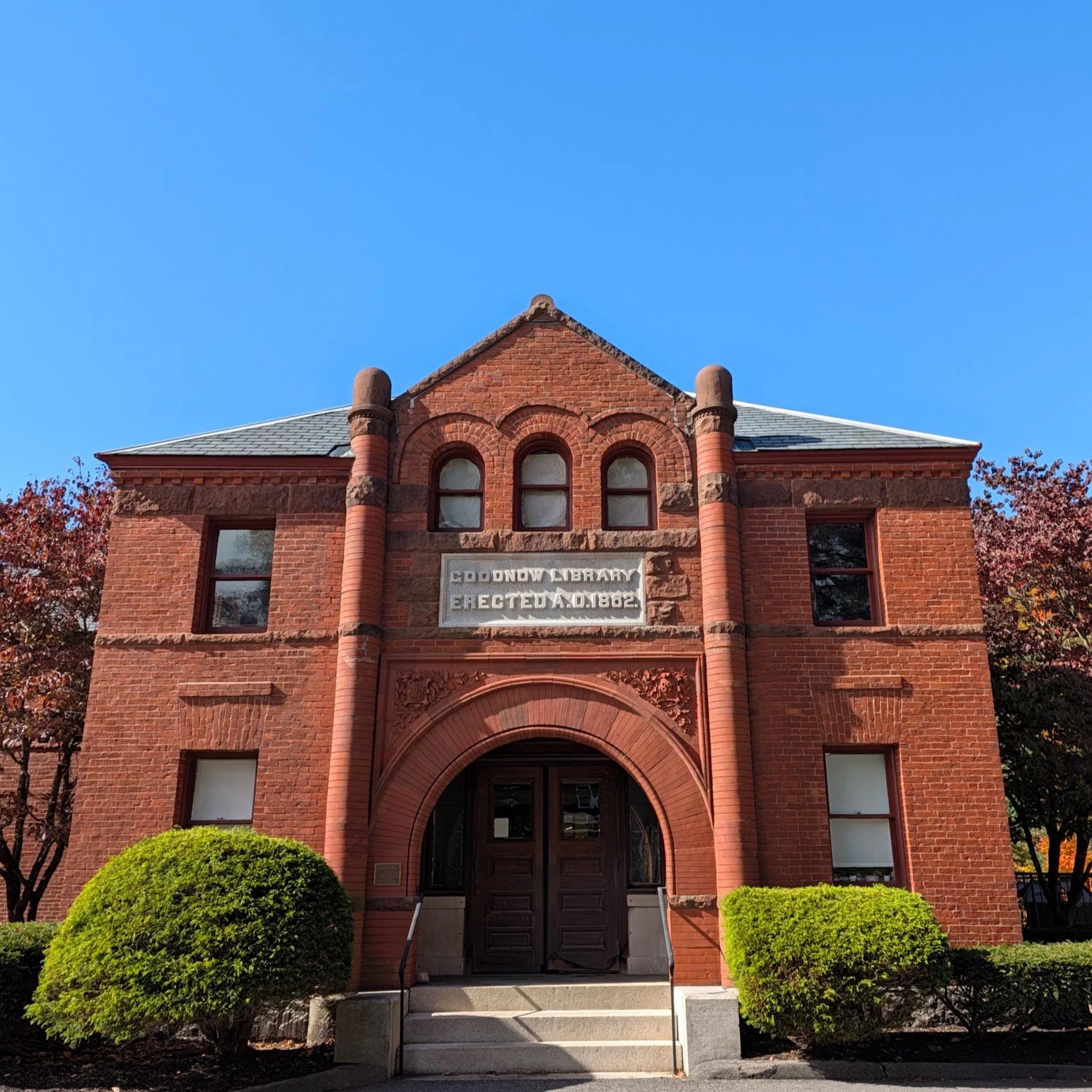
One of the real pleasures of Library Land is revisiting past libraries. Sometimes it’s because the library has undergone a renovation, expansion, building project, or other improvement. We've also changed. In the beginning, we were looking at libraries purely through the patrons’ eyes, since that is what we were - patrons looking for a place to work. Exposure, education, and experience have made us even bigger library fans (if such a thing is possible!) and keener observers of public libraries.
That’s what made this visit to the Goodnow Library, in Sudbury, Massachusetts, so special. We’d been there in 2018. It was nice, sure, but on that first visit our objective was simply to work. We saw, but we didn’t see. Now that the scales have fallen from our eyes, we went back to look at the library more closely.
First, a little bit about the town itself. As of 2020, the town’s population was approximately 19,000 people. Before the first European settlers, what is now Sudbury was home to the Nipmuc people. In Colonial times, Sudbury provided soldiers during King Philip’s War and militiamen at the battles of Lexington and Concord during the Revolution. Today, it is a bucolic little town just 23 miles from Boston.
The library is named for John Goodnow II, who left the town the land on which the library now stands. He also provided the funds for its construction, as well as for purchasing and maintaining its collection. The original octagonal building is made of brick in the Richardsonian Romanesque style. It opened in 1863 and has been expanded in stages since then.
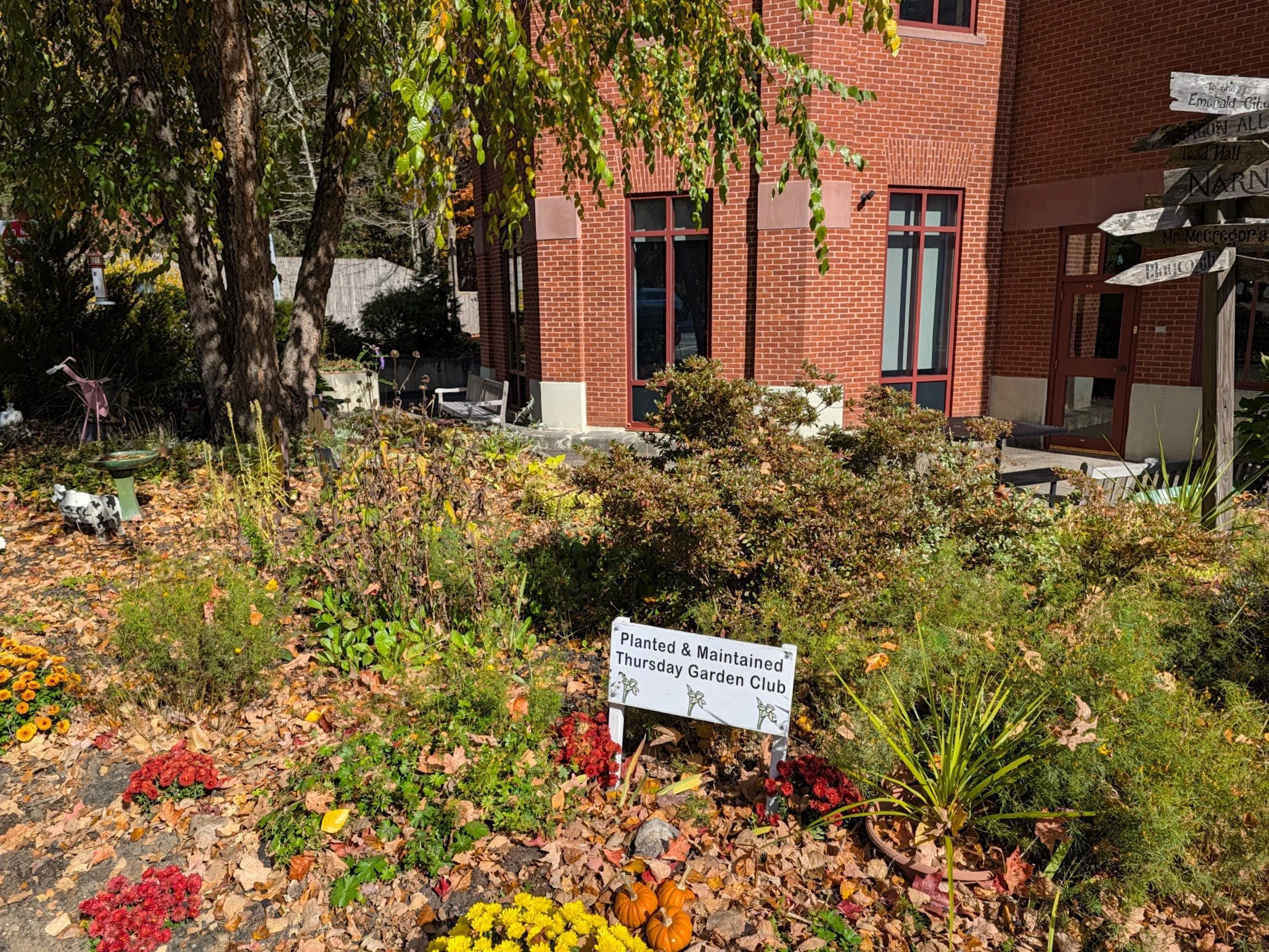
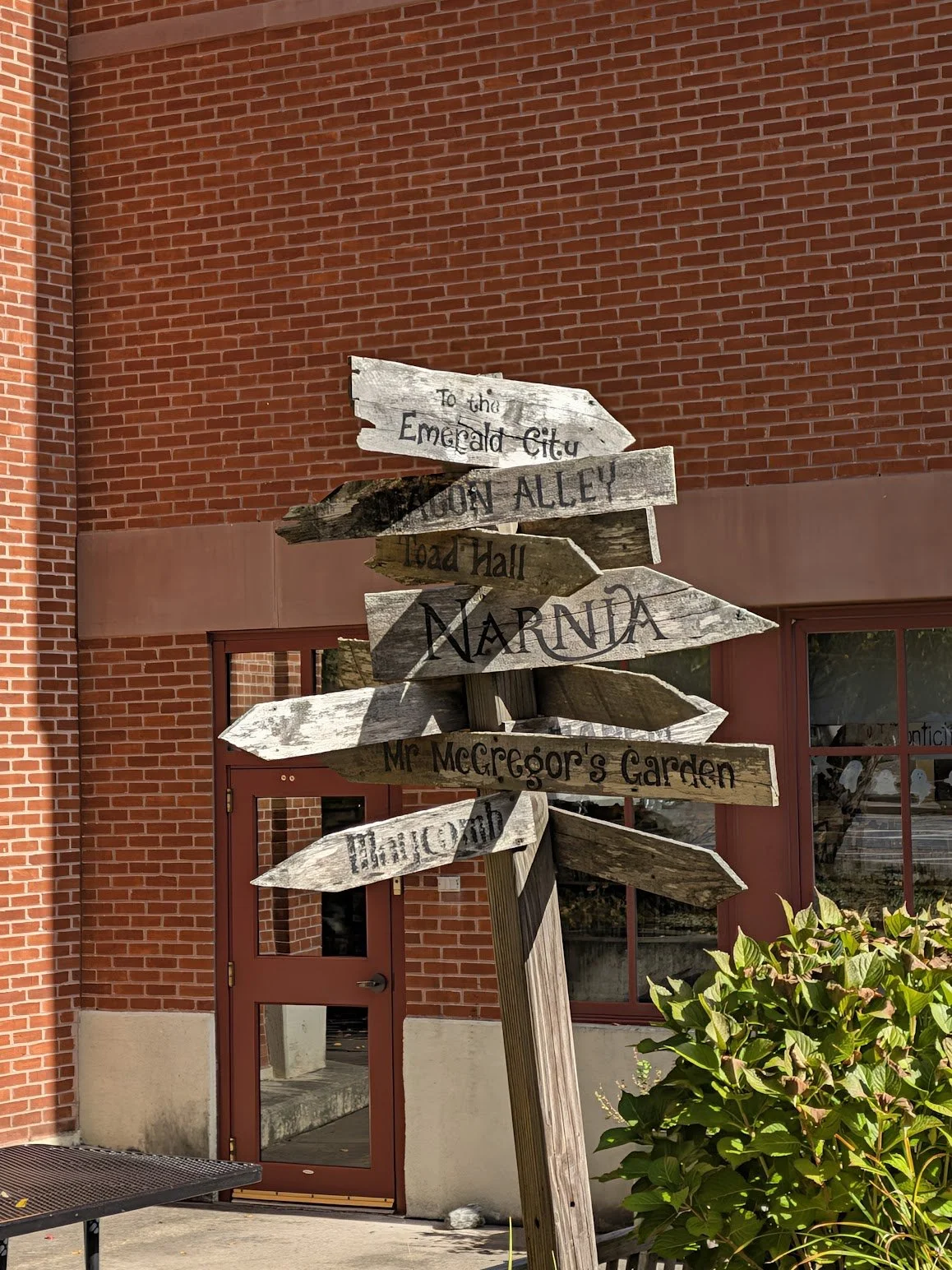
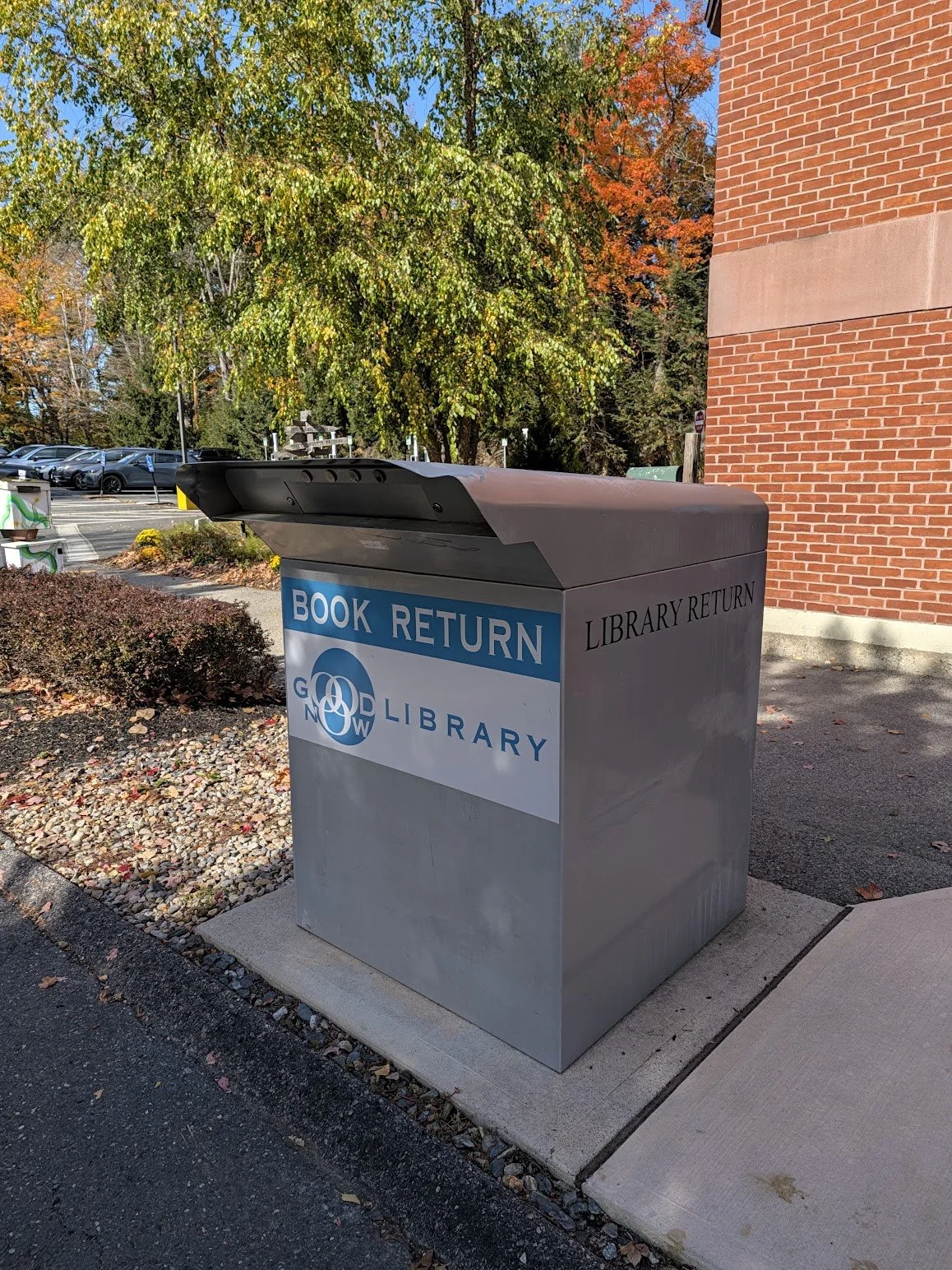
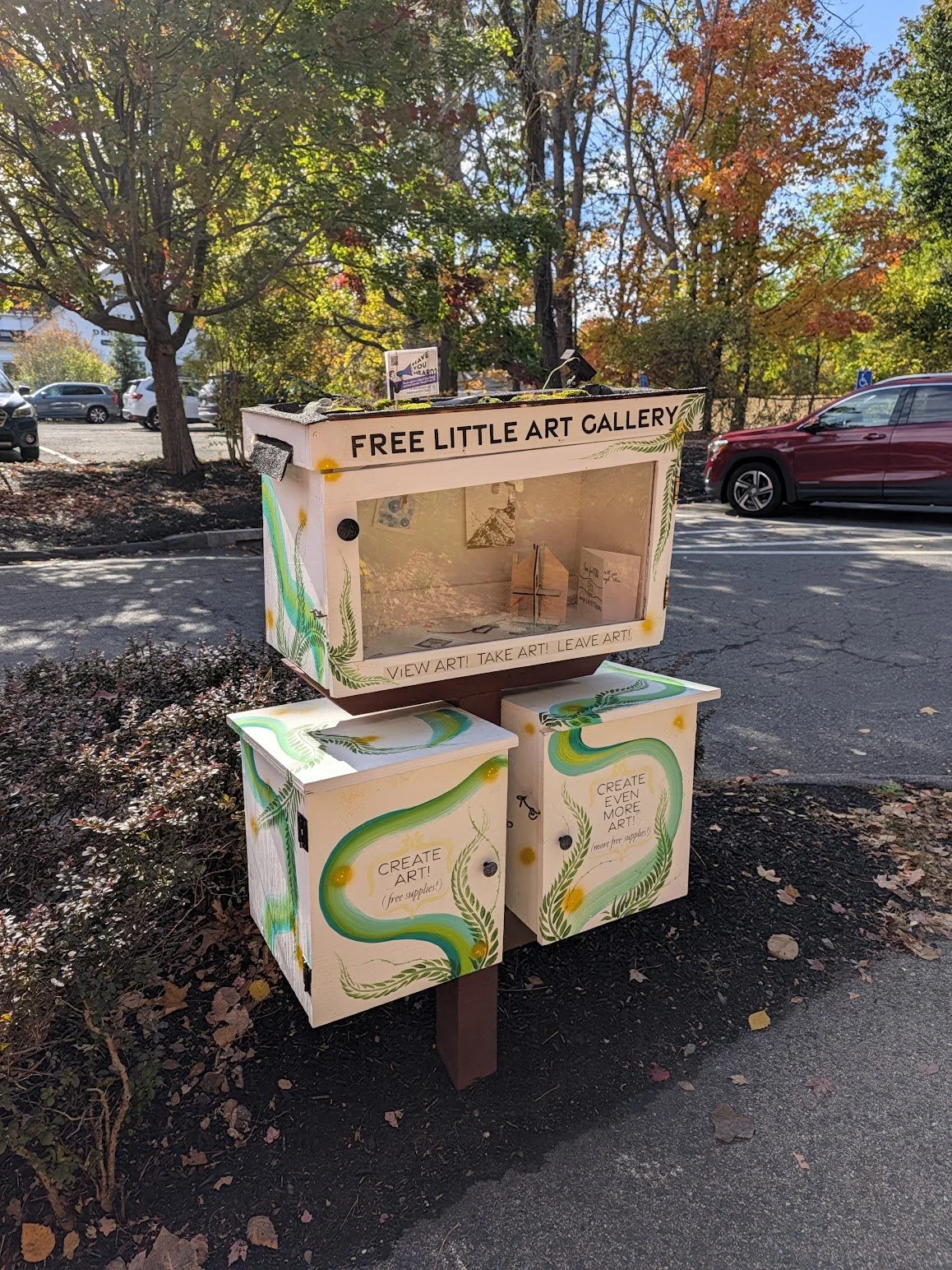
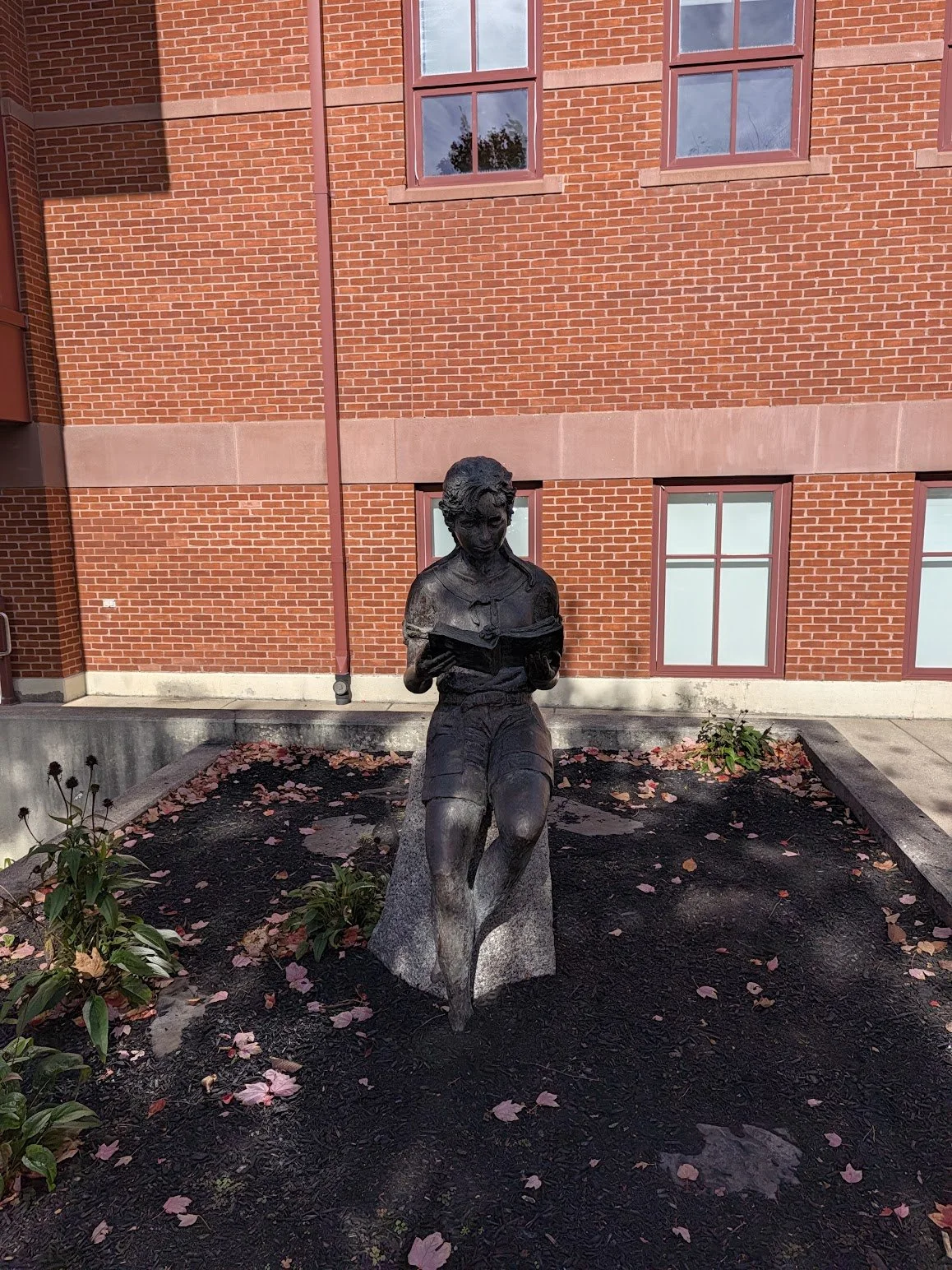
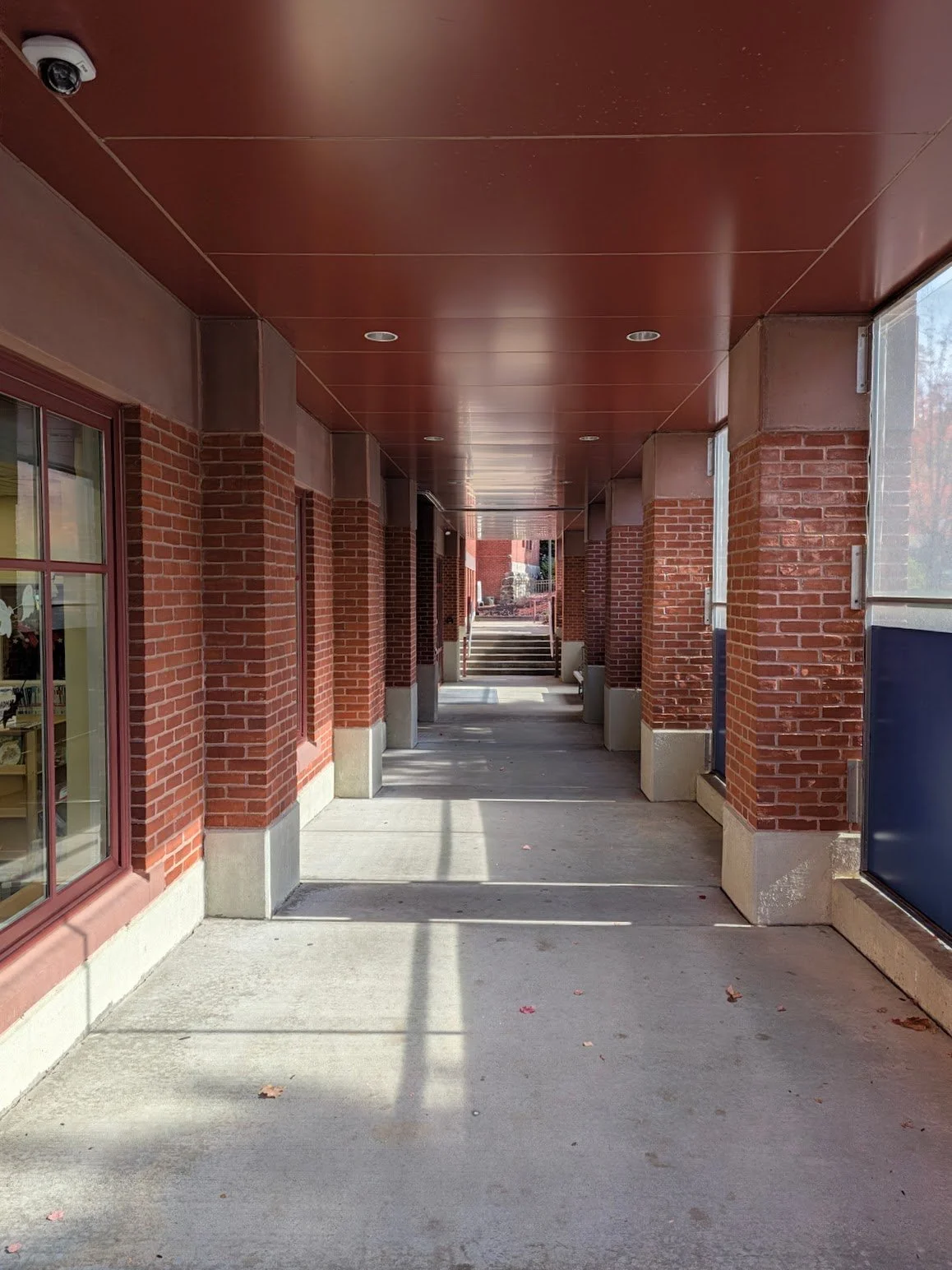
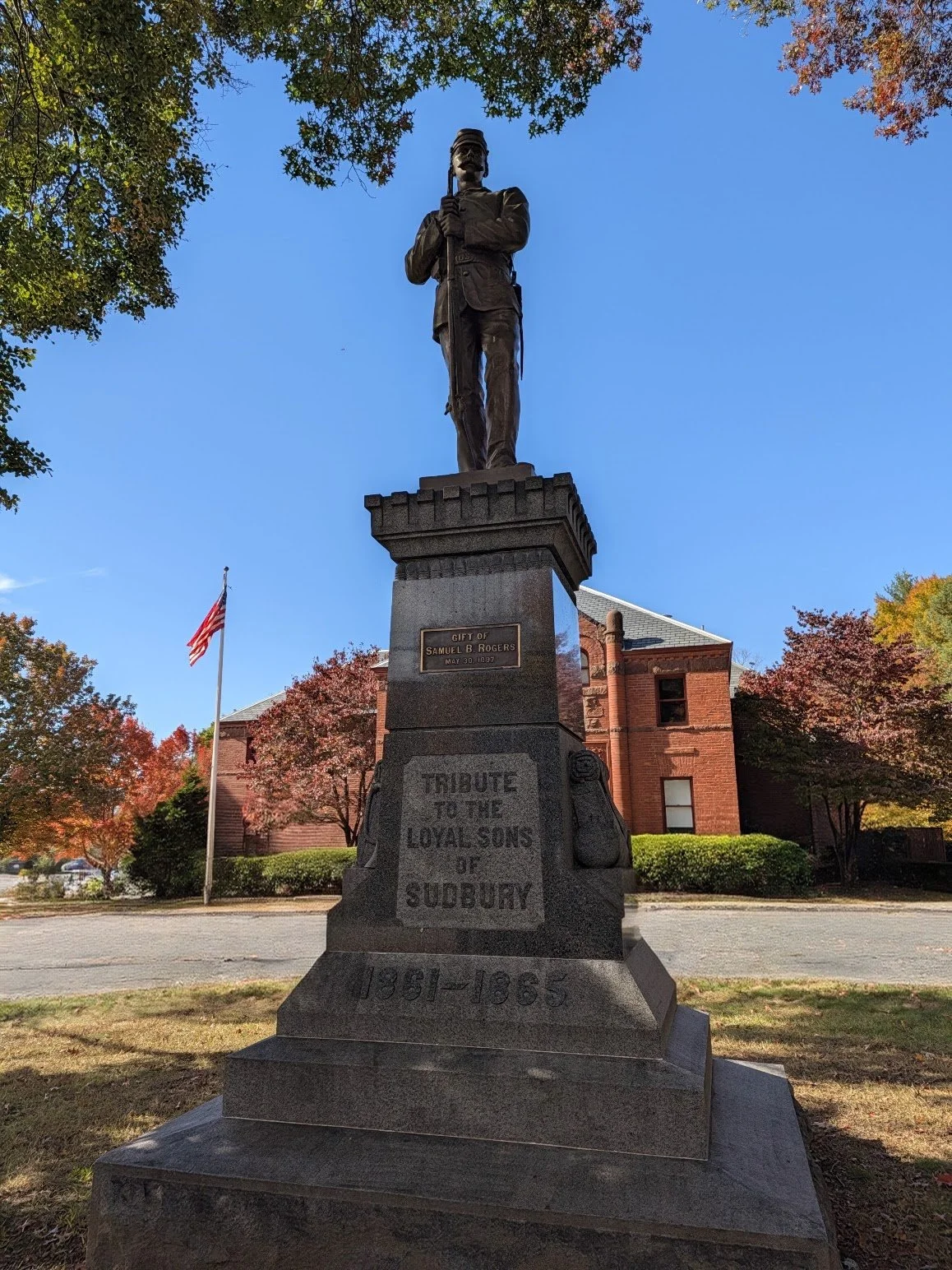
We started our visit looking at the library exterior and grounds. There are 88 parking spaces, and eight with chargers. A lovely flower garden is there along the rear of the library, near a sunny patio during this visit. A covered walkway leads along the building to the entrance and beyond; as you walk it, you’ll pass the book return box, a high-tech locker system, a Little Free Art library, and a statue of a child reading. In a park in front of the library is a memorial to the townsmen who answered the call to service during the Civil War.
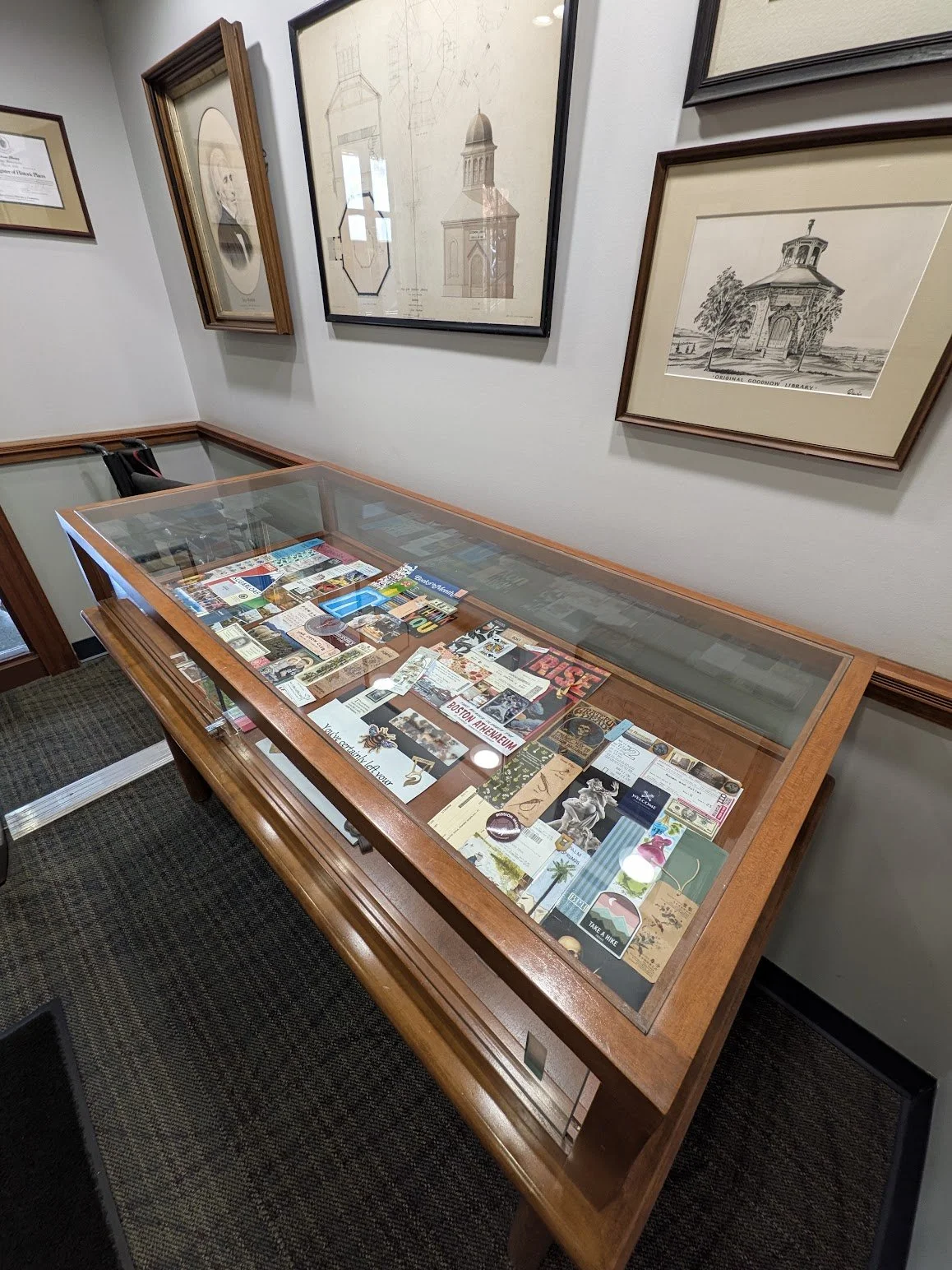
Upon entering the building, a display case containing bookmarks forgotten in returned items is to the left (just before Children’s), and the service desk is to the right. The floor also has the community room, new items, and a portion of adult fiction. We’ll come back to Children’s, but first, we went to the second floor, where we found the real magic of this library!
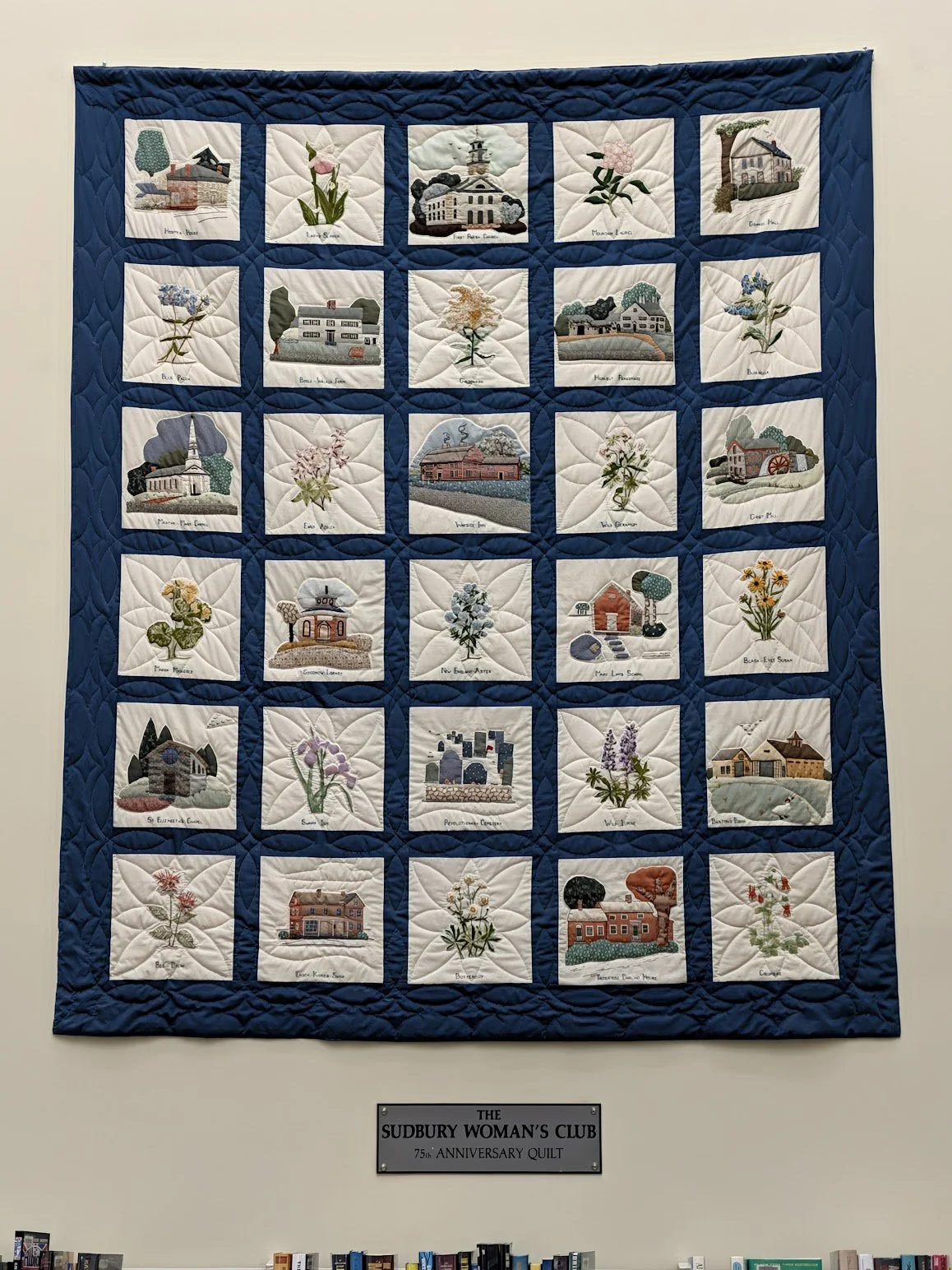
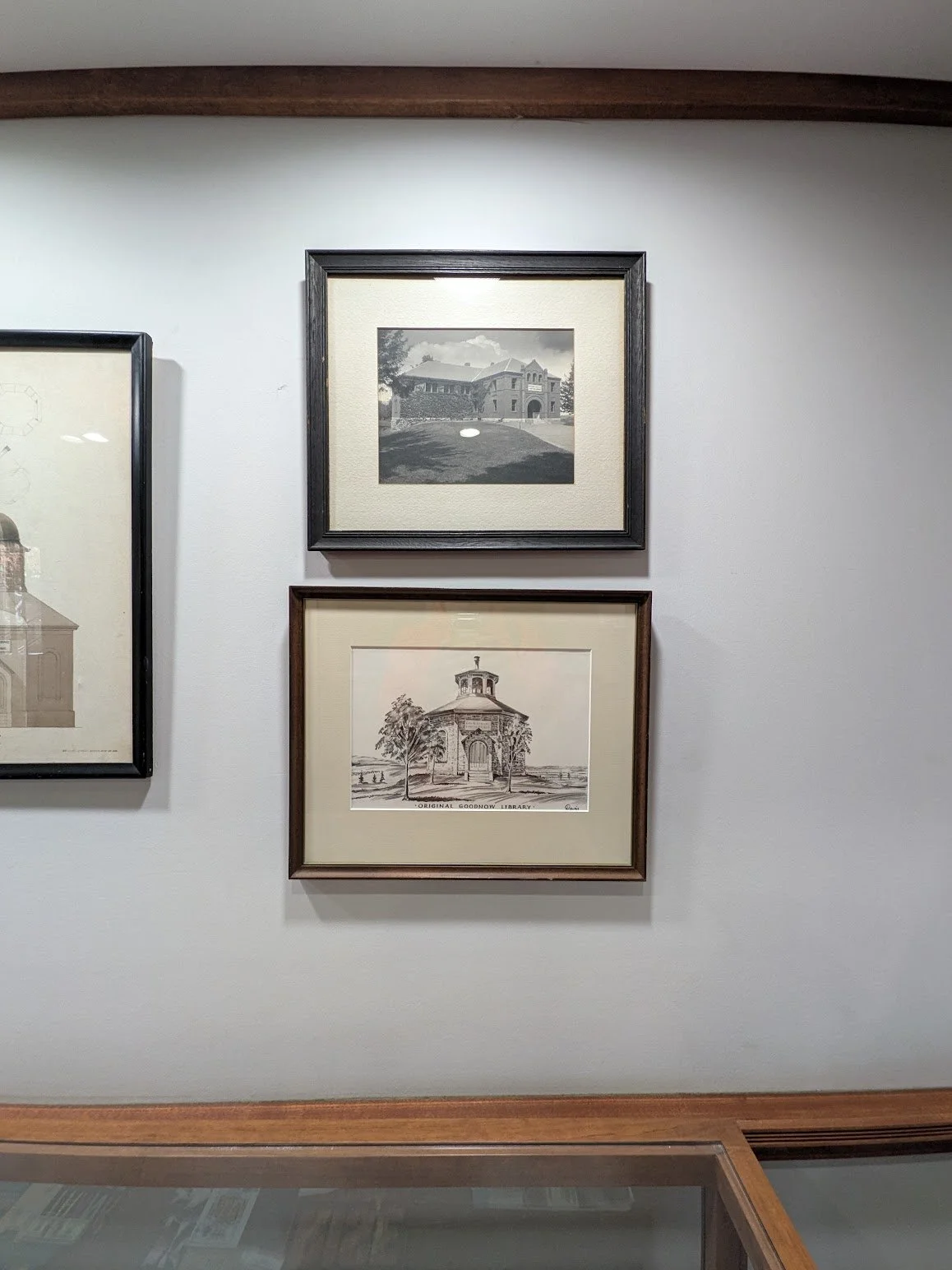
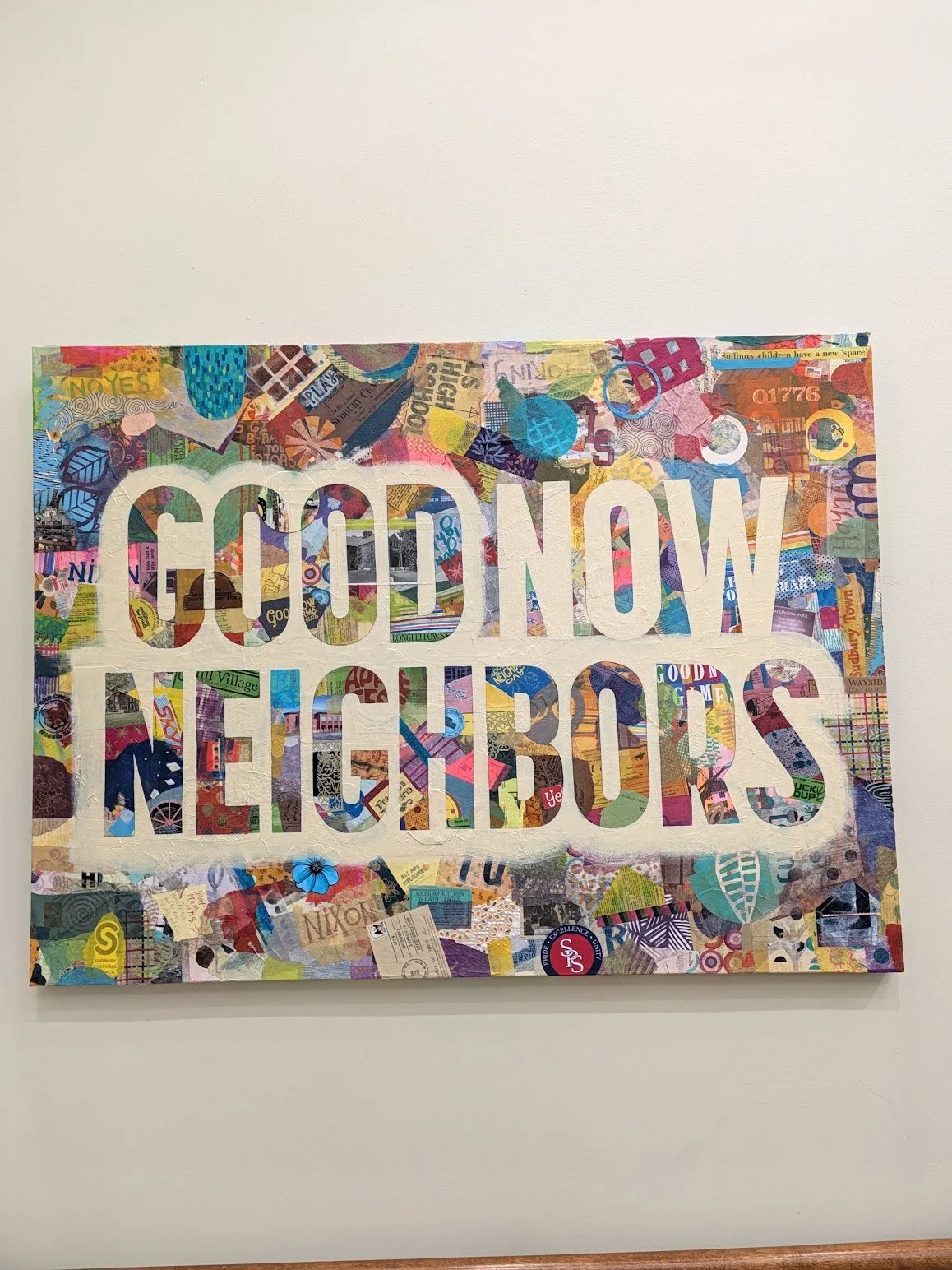
The reference desk is at the top of the stairs. We stopped to ask a few questions and were asked if we’d like to see the newly refurbished local history room, which would officially open in a few days. We’re not the kind of people who need to be asked twice, and off we went.
The first addition, in 1884, saw the creation of a gallery space. Today it features the works of Alfred Hudson, a painter and town resident who lived and worked in the late nineteenth century. His paintings were essentially documenting famous locations (like the Wayside Inn) and “snapshots” of agricultural residential areas.
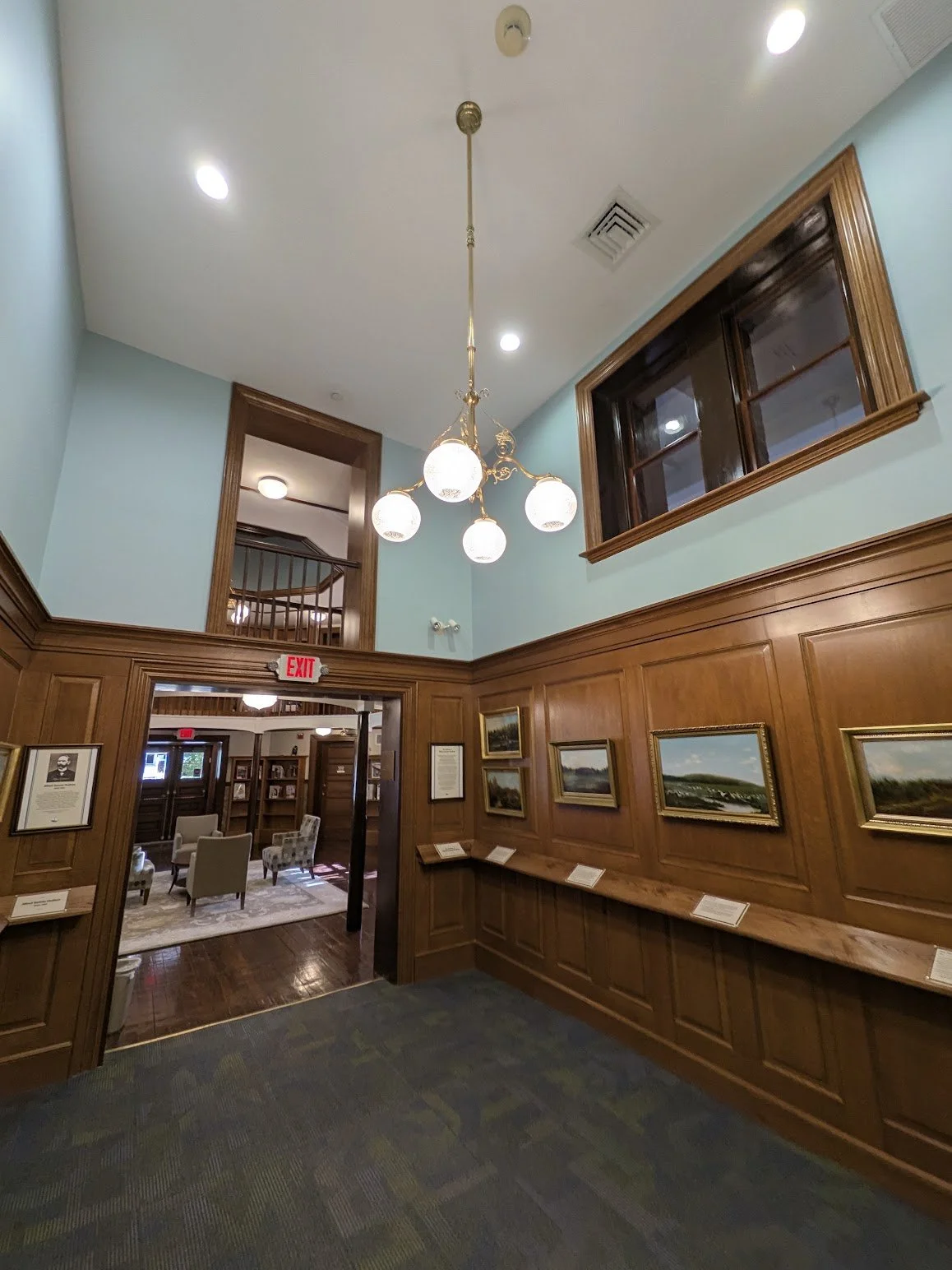
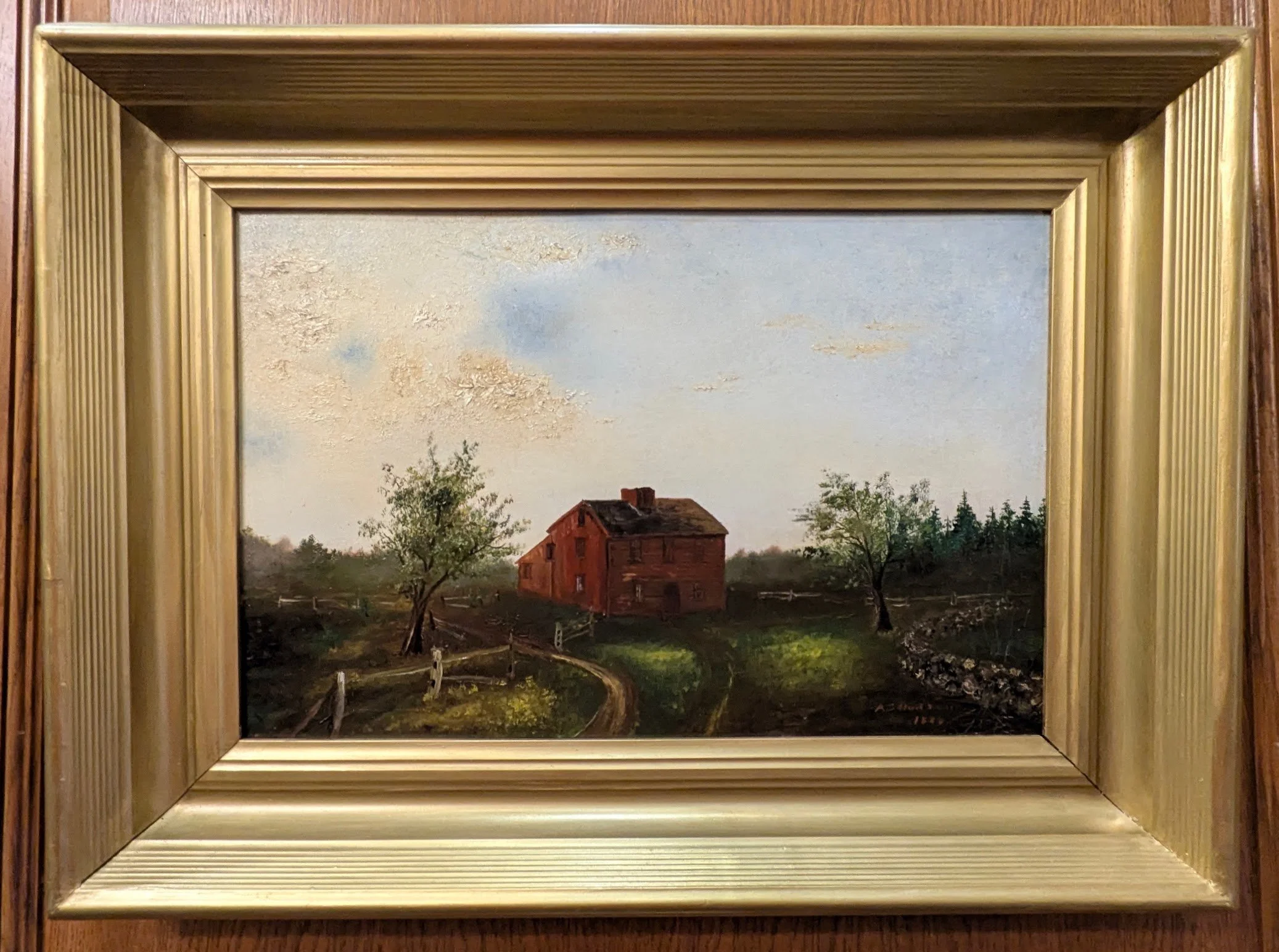
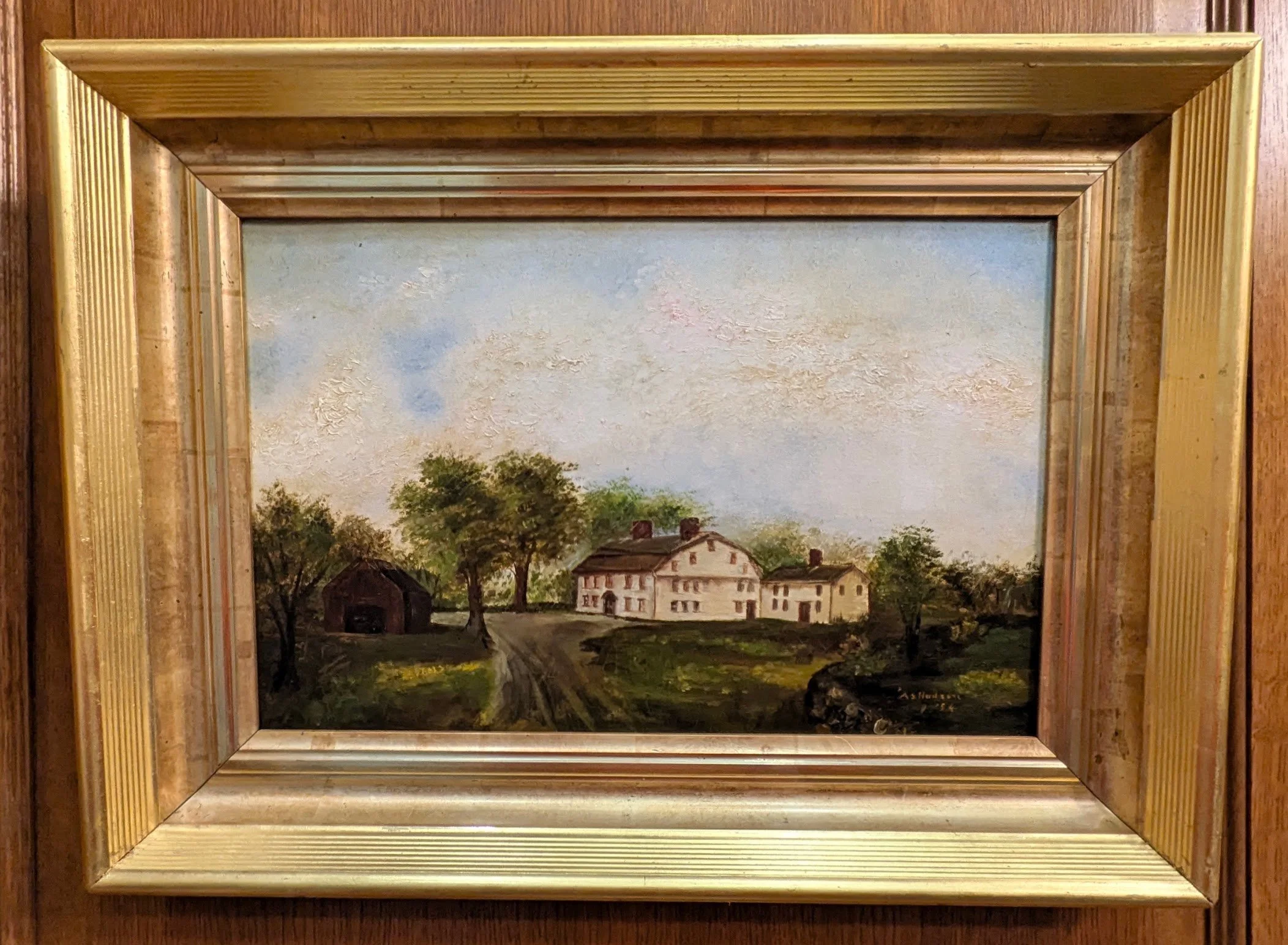
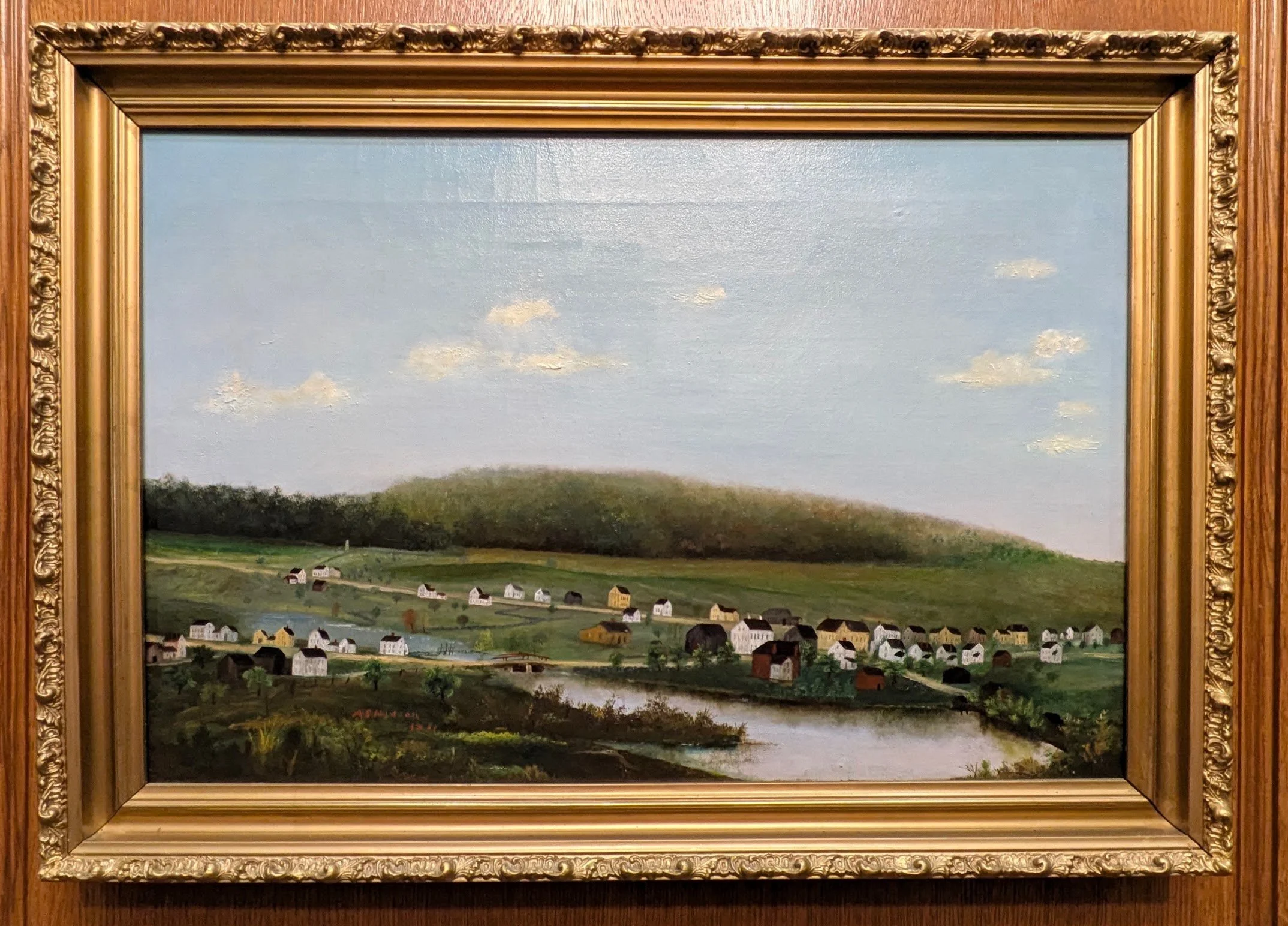
Entering the 1894 reading room, which has just reopened after an amazing restoration, we could smell the oils and varnish. The space was stunning. It perfectly captures the ambiance of its period. Because it was an addition, one wall was once the library's exterior wall. A fireplace was there beneath the windows into the library. It had a curious, interesting look.
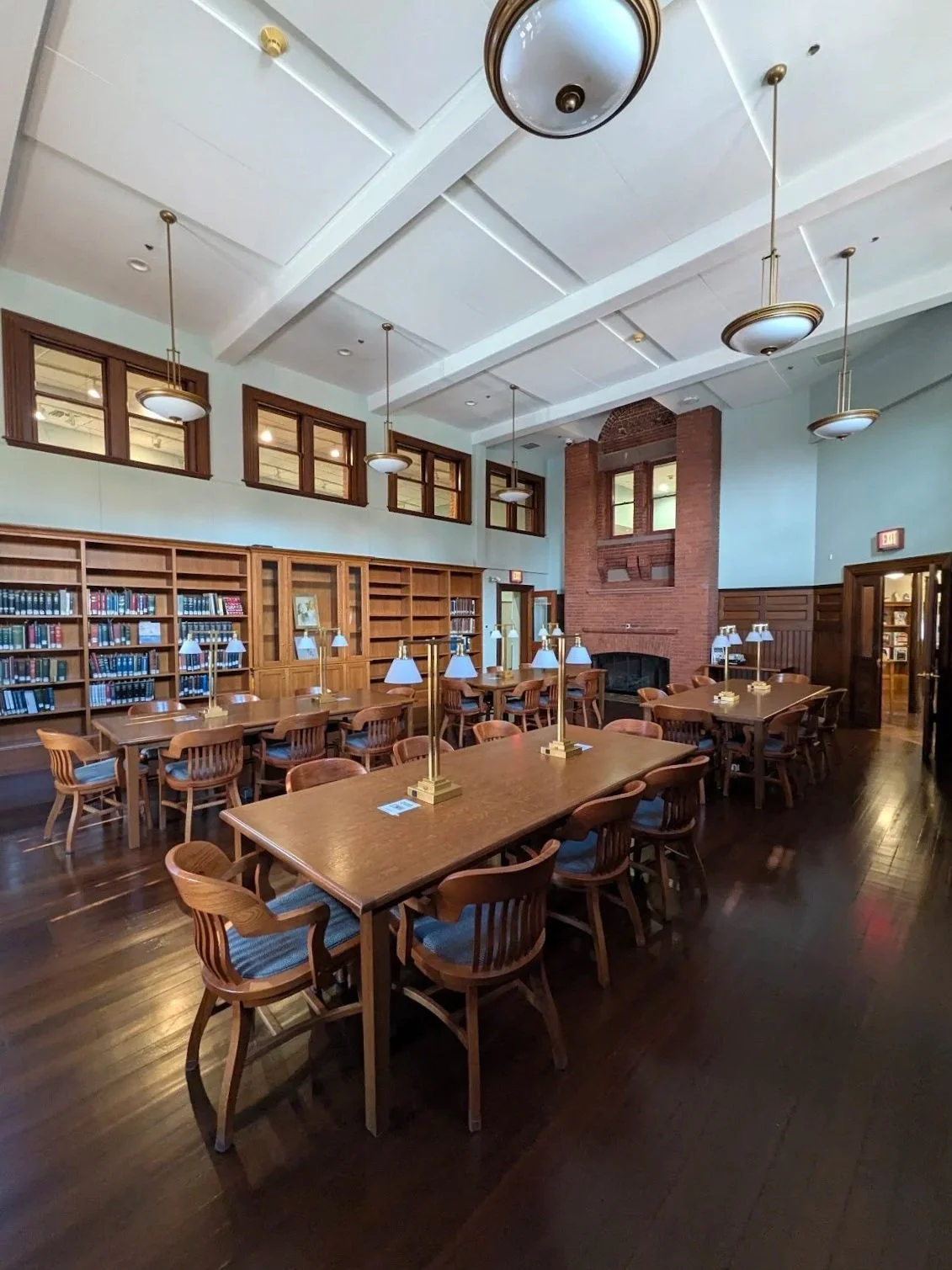
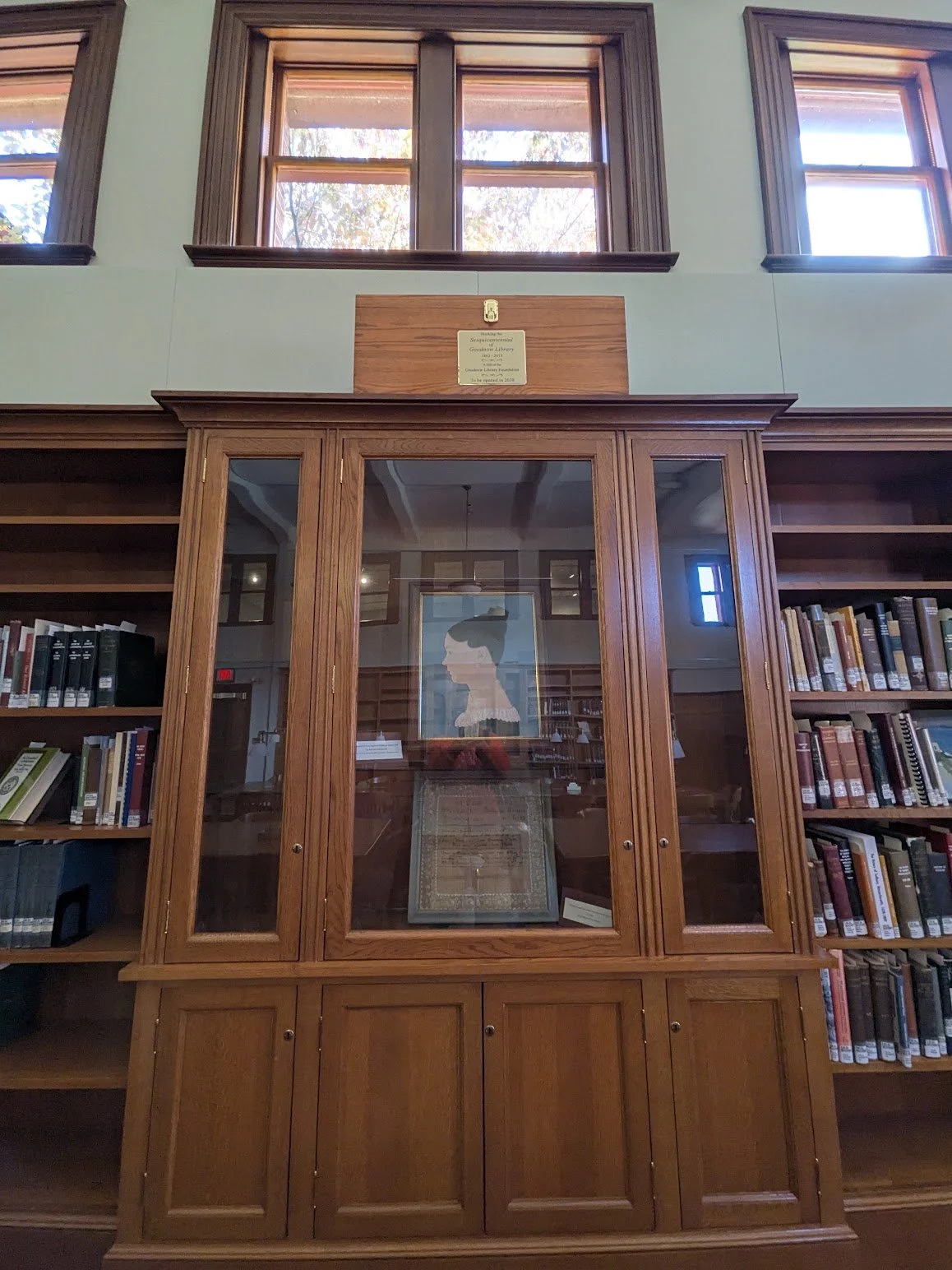
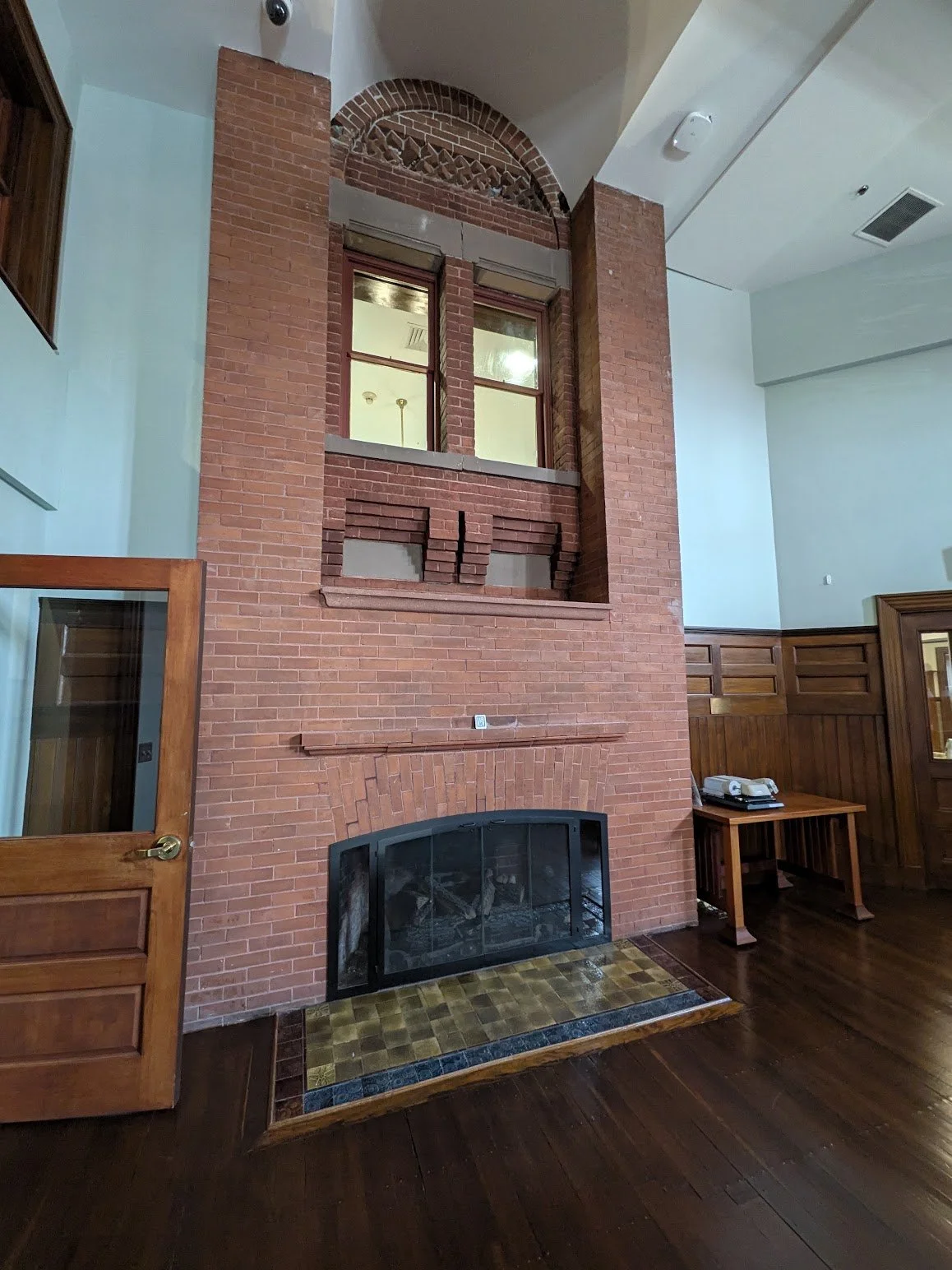
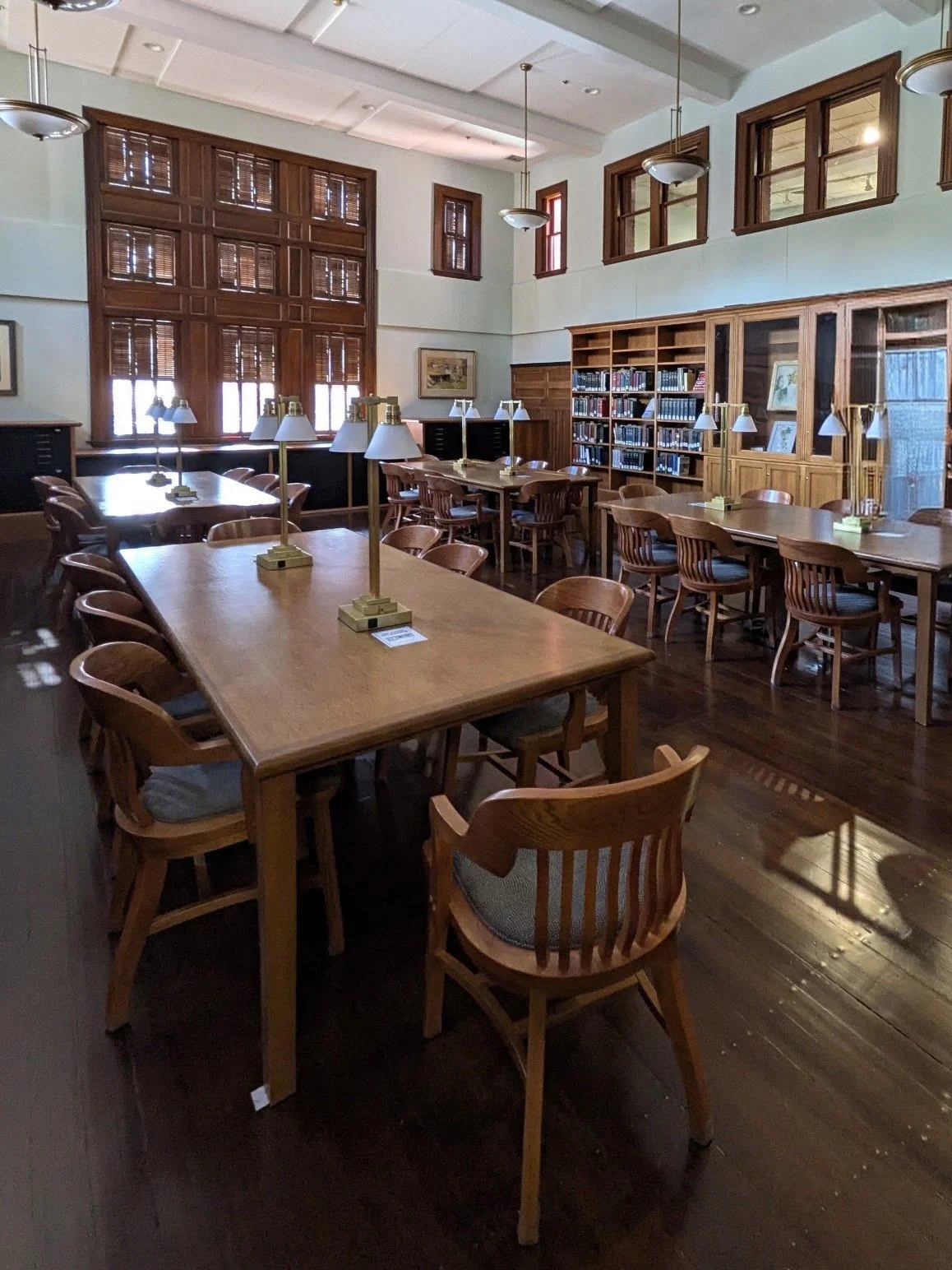
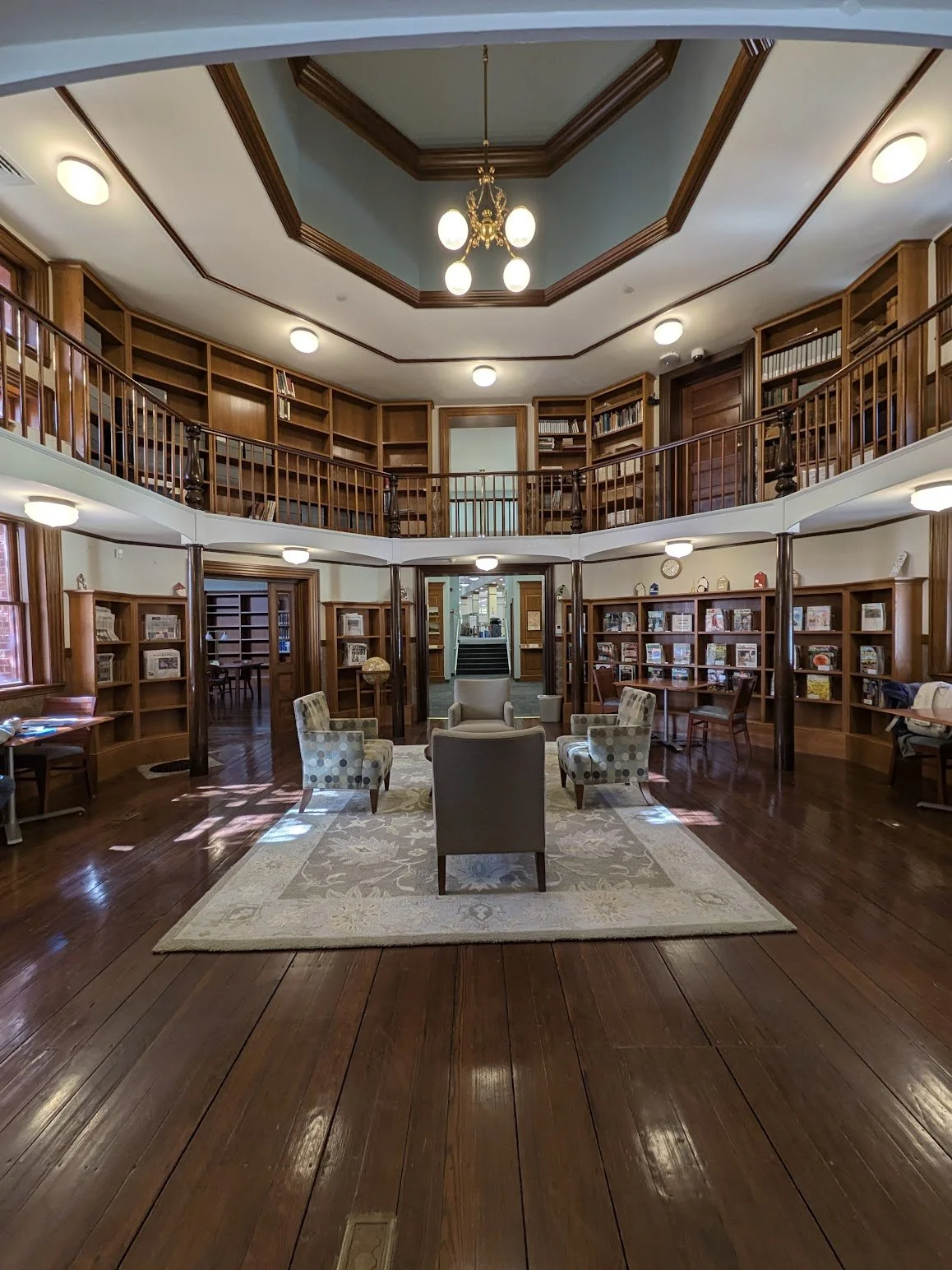
From there we walked into the original octagon. It is such an unusual space. It is lined with bookshelves on both the first and second floors. It serves as a reading room now, and two gentlemen were there, quietly working and reading the newspaper. We imagined the scene is much as it was more than 100 years ago. That’s a really grounding feeling in a space like this.
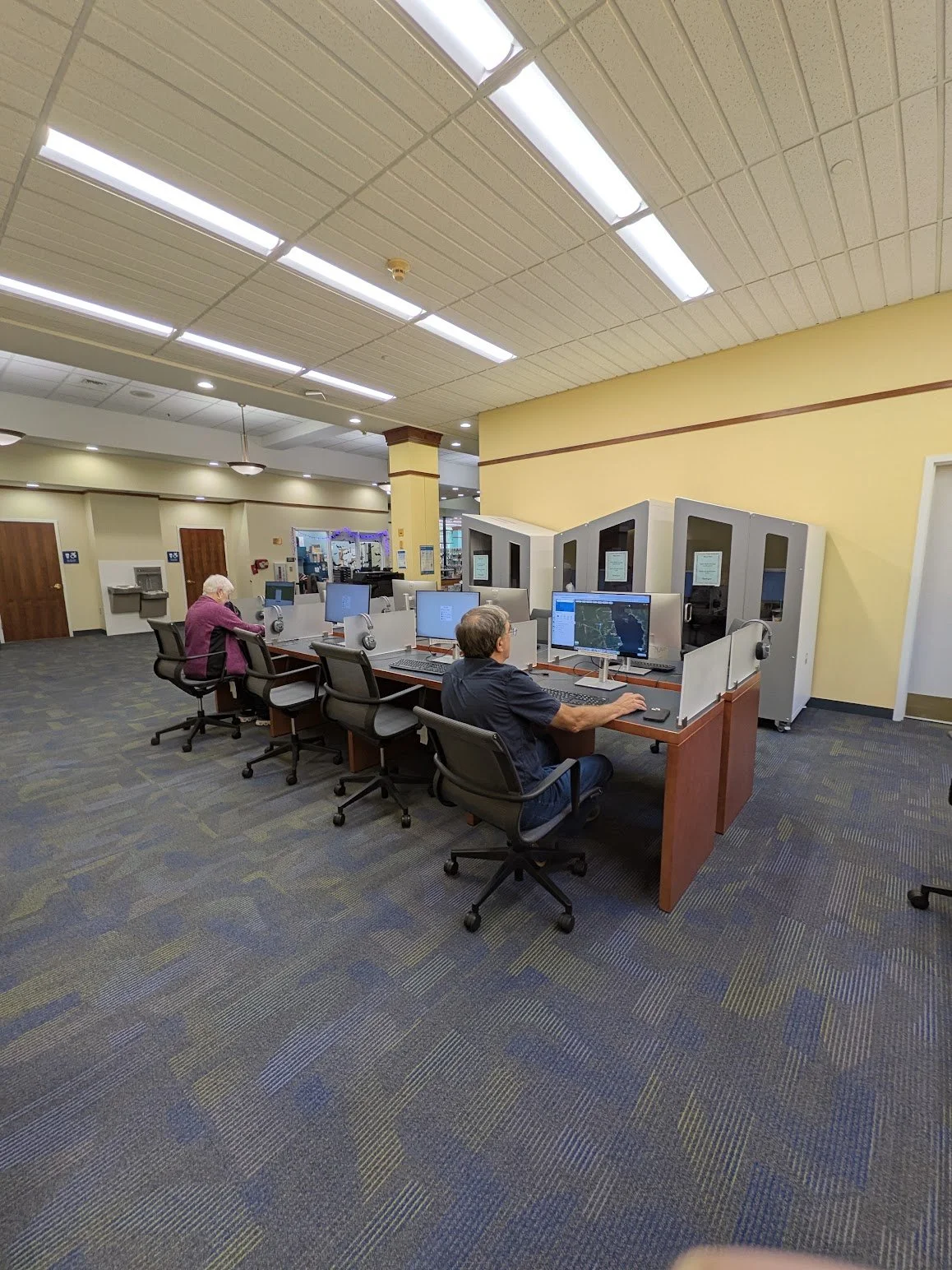
Walking back through the gallery into the 1999 addition, we were in a large space. To the left is a service desk and to the right are public computers, work pods, and study rooms. It was active during this visit. The librarian who took us to the reading room now showed off the library’s makerspace.
We’re of two minds about makerspaces. Too often, we find wasted space. They always start with high hopes and expectations; those fade as utilization fails to happen. That is not the case in Sudbury. Its NOW makerspace is a great example of how these spaces can work. It's separated from the rest of the library by a large glass wall. Inside, there are all sorts of wonderful things.
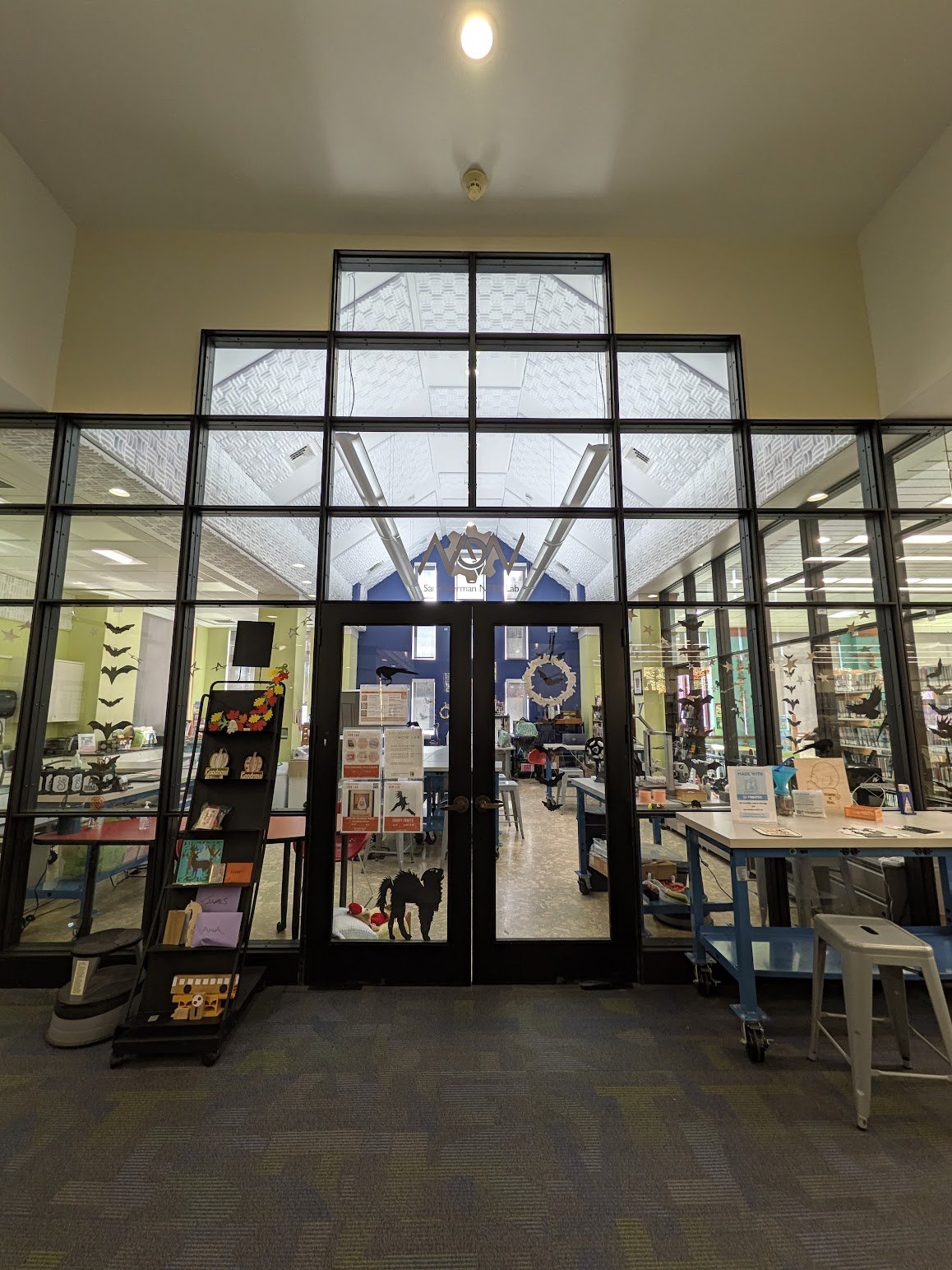
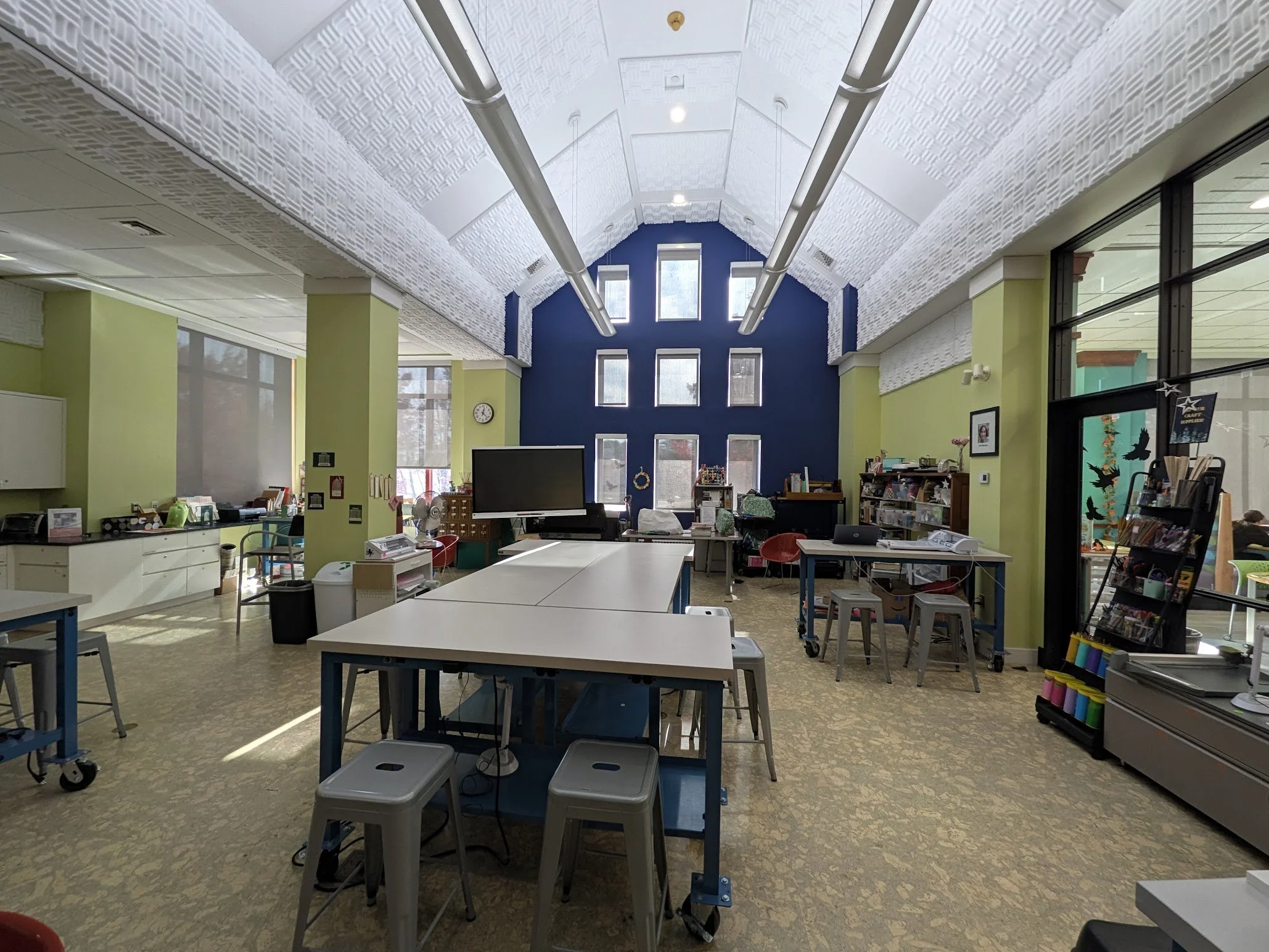
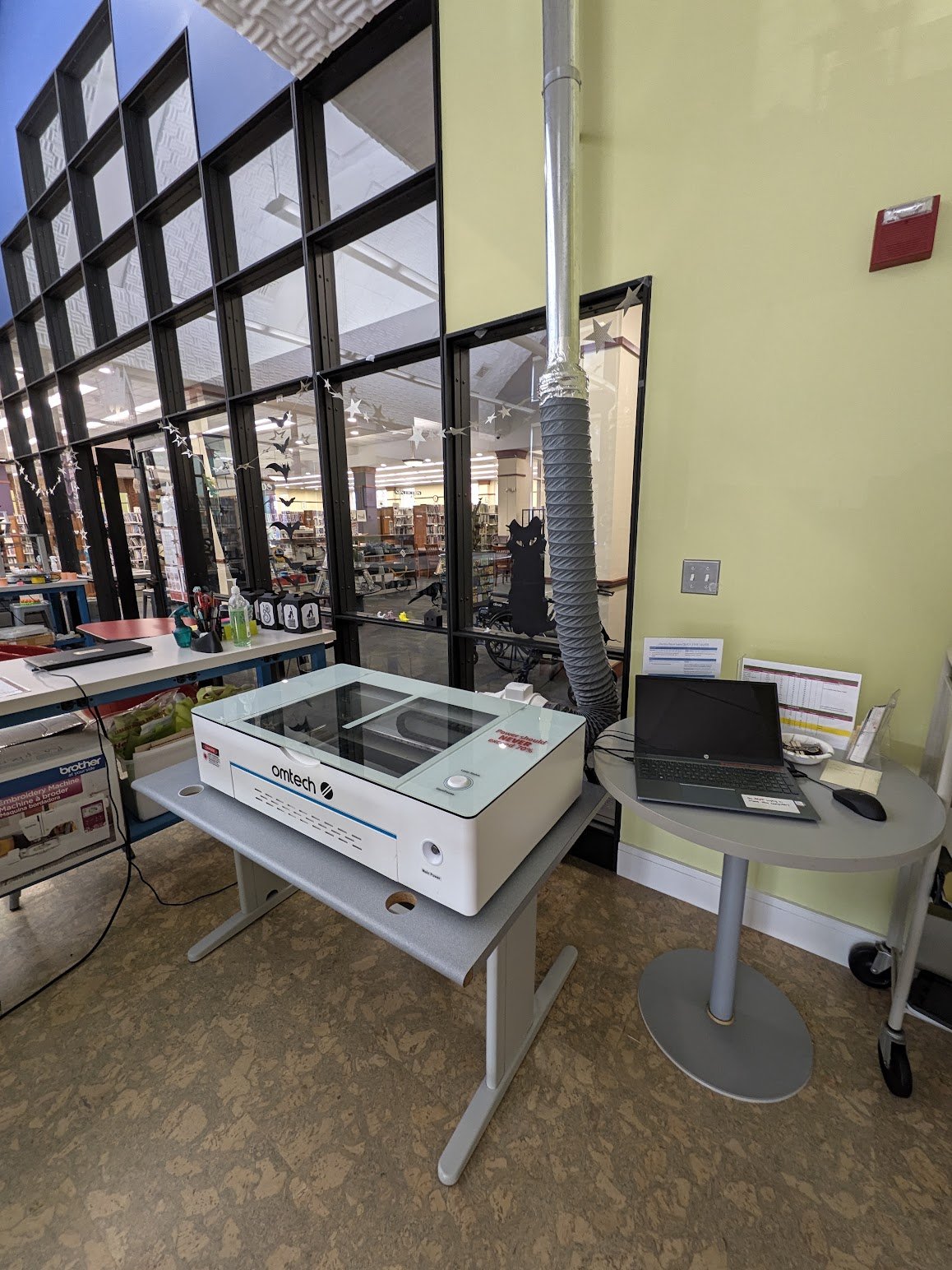
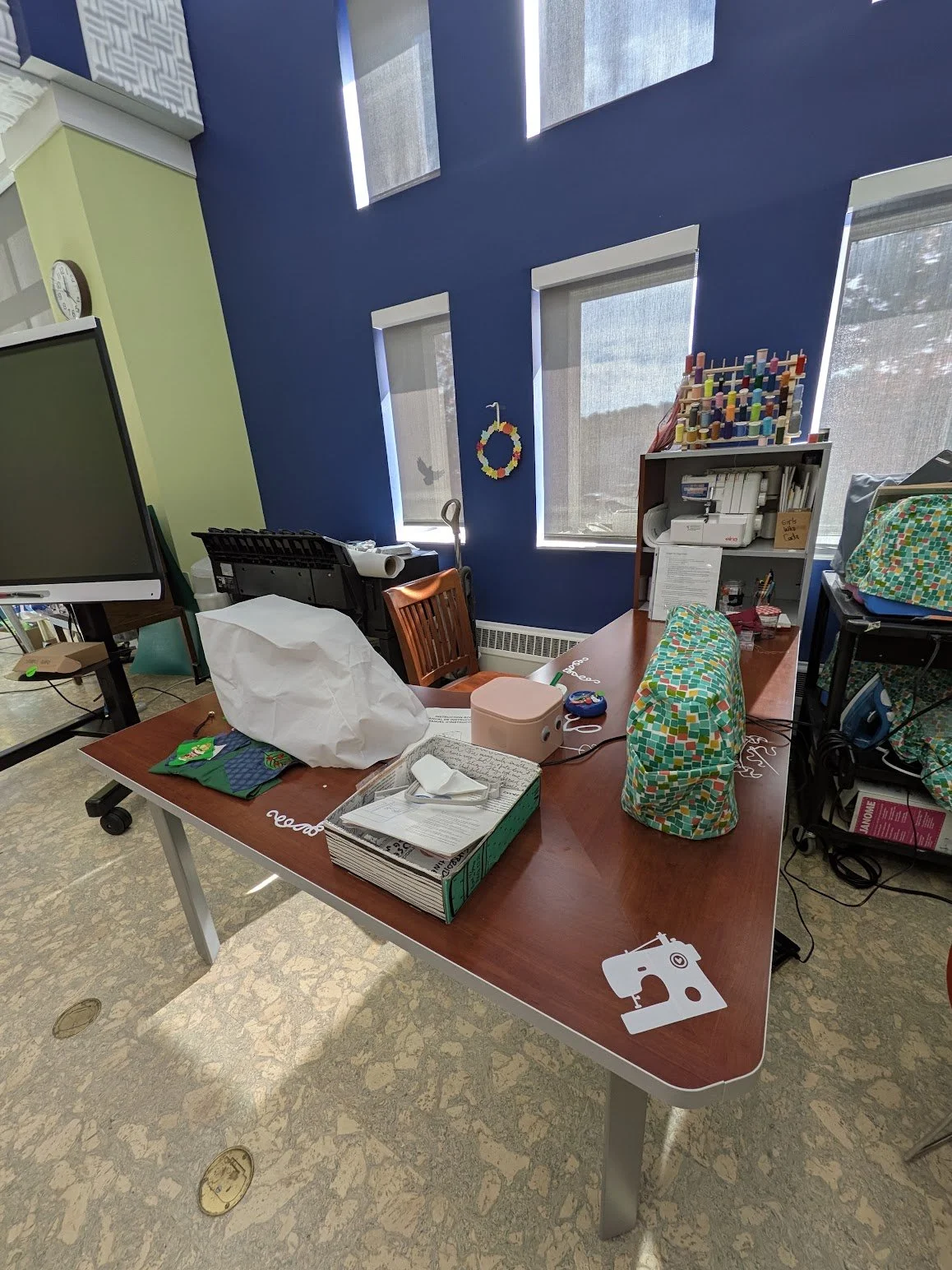
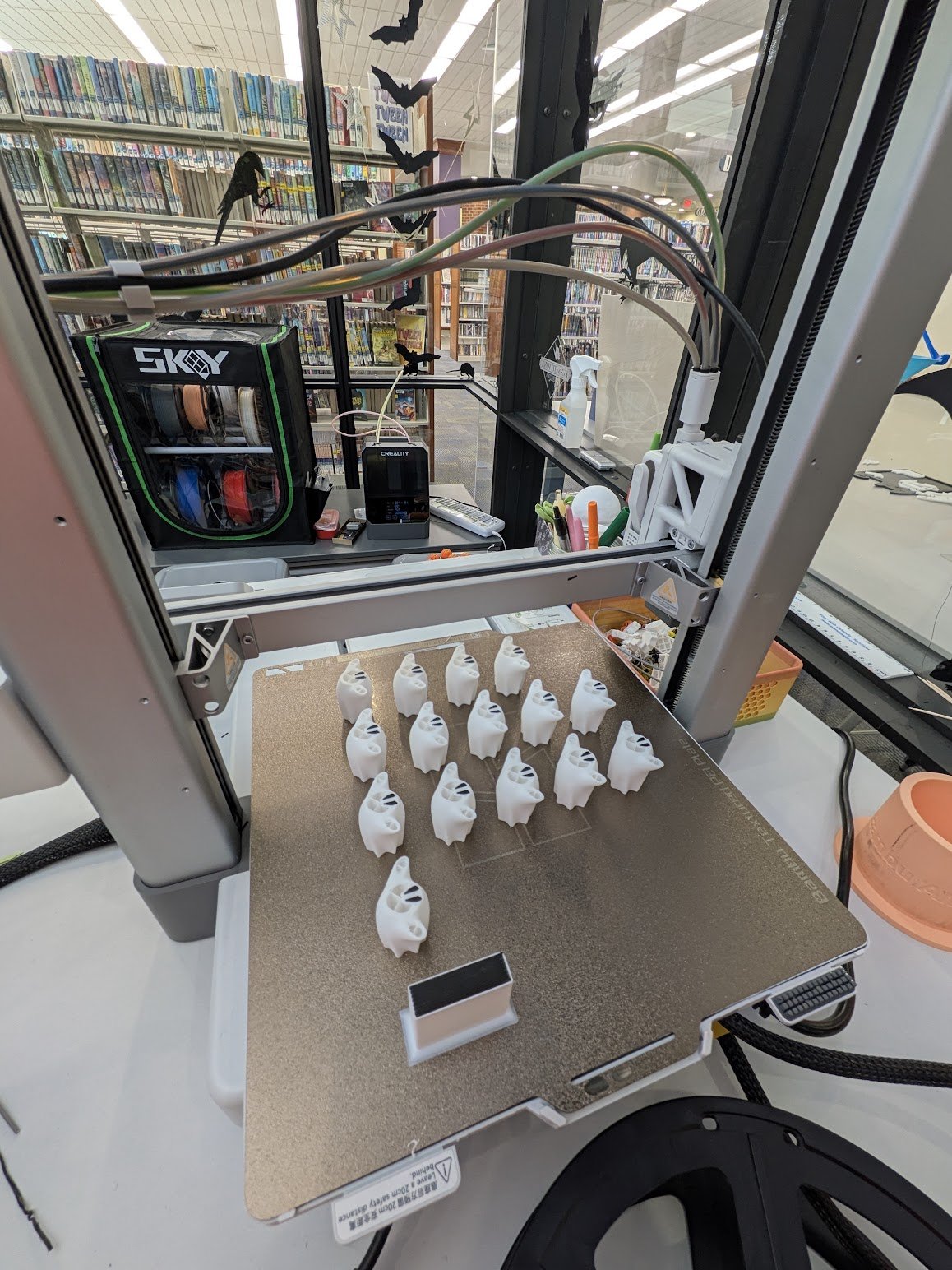
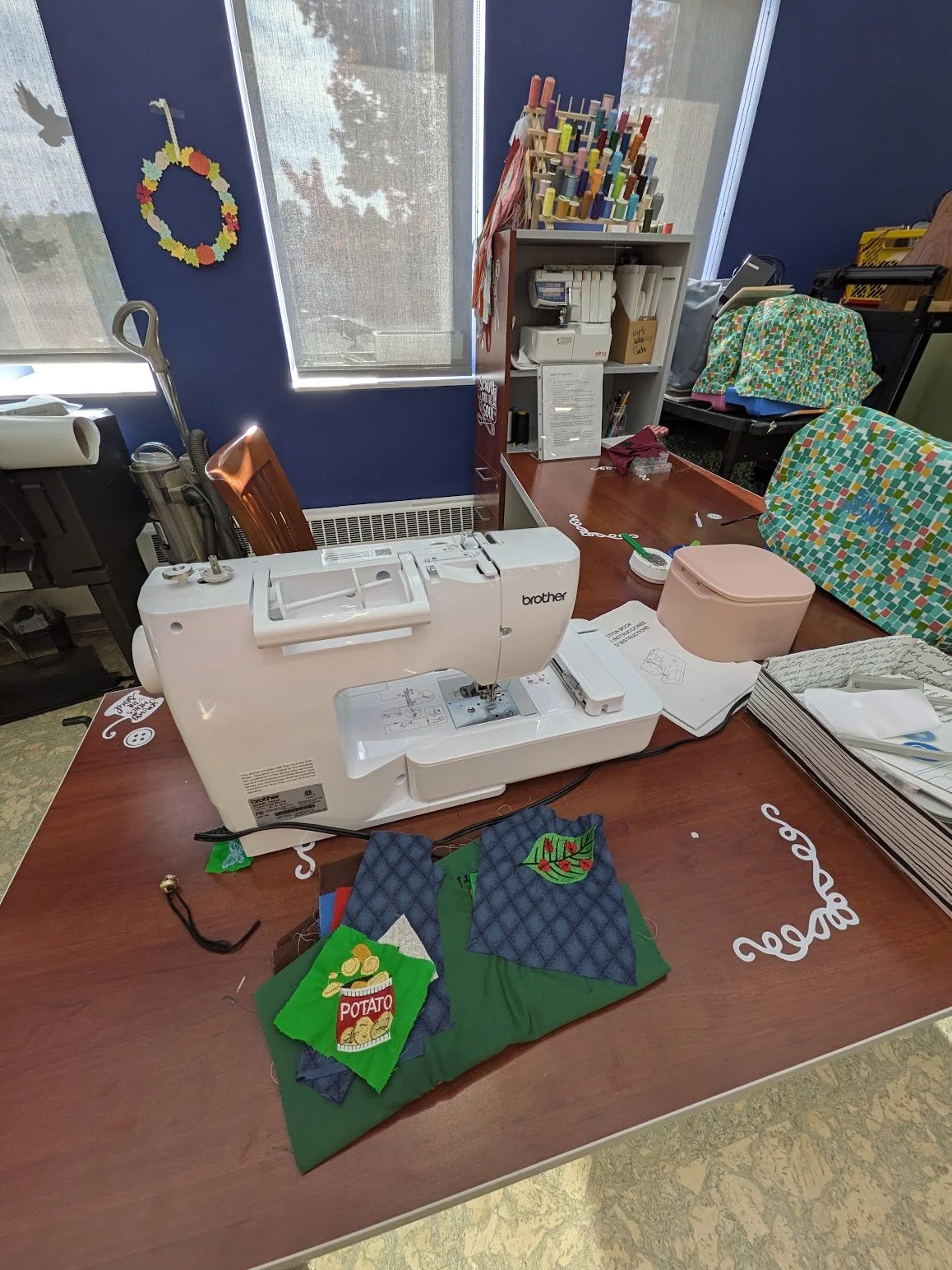
We’d never seen an embroidery machine, but there’s one here. There are also multiple sewing machines, laser cutters, 3D printers, and more. They not only have all the toys, but they also offer classes and programming to help people put that equipment to work. It’s so great to see this concept be used to its full potential!
Back on the library floor, we met Director Amy. She was generous with her time and shared her thoughts and experience at the library. Amy said her favorite thing about the library is the octagon, and how it is echoed in the expanded space. She’s proud that this library serves as a community gathering place.
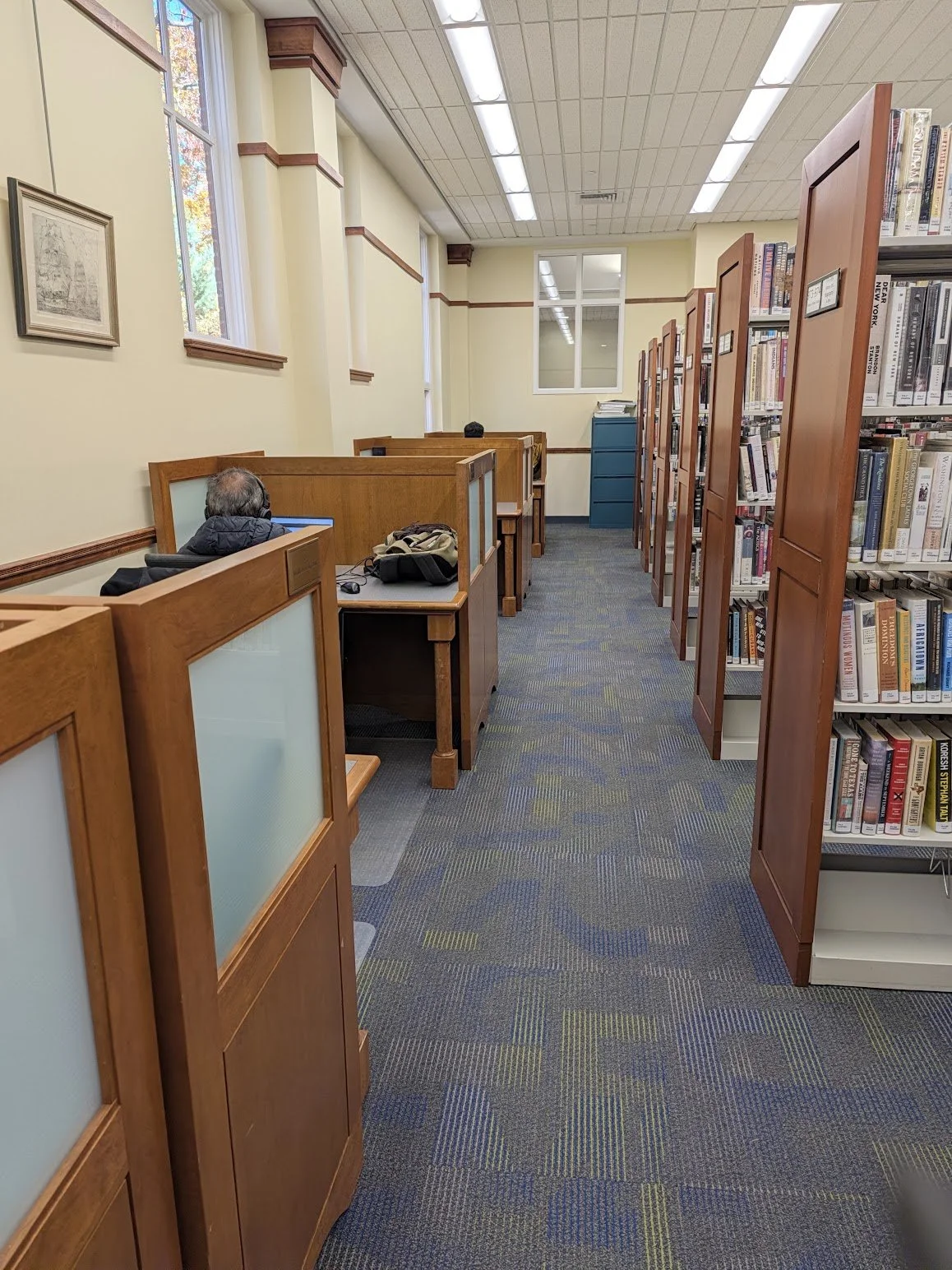
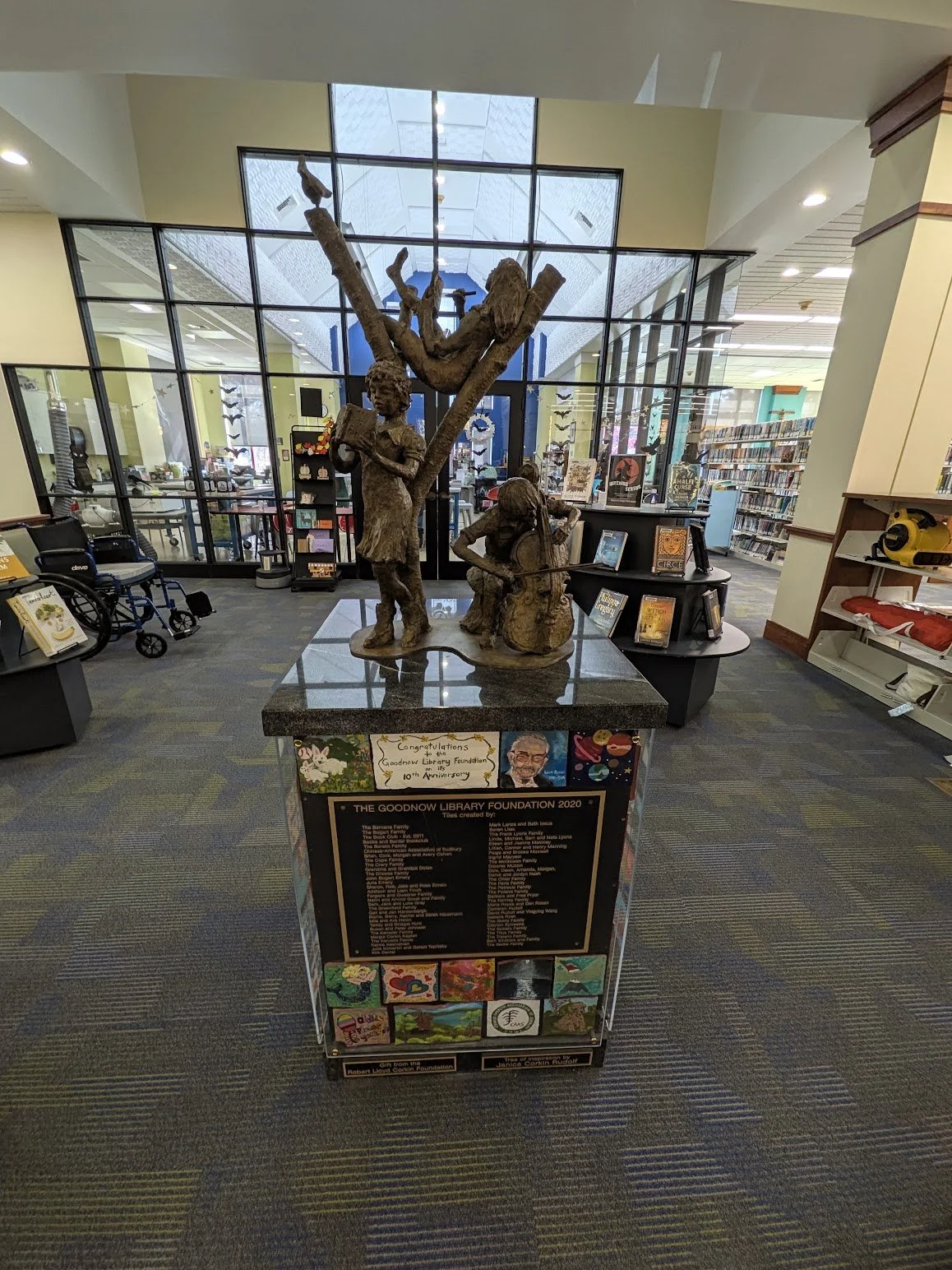
In that vein, she mentioned that the town social worker has office hours at the library. Most towns have a social worker, and having them in the library regularly is an easy way to improve access for residents. The library also provides passport and notary services. Both are excellent ancillary services.
Amy just wishes more people were aware of all the things the library offers. This is a familiar refrain we hear all the time. With roots in marketing, Greg and Rachael wish libraries did a better job of telling their stories. When people do hear and understand these things, they are amazed and take advantage of them.
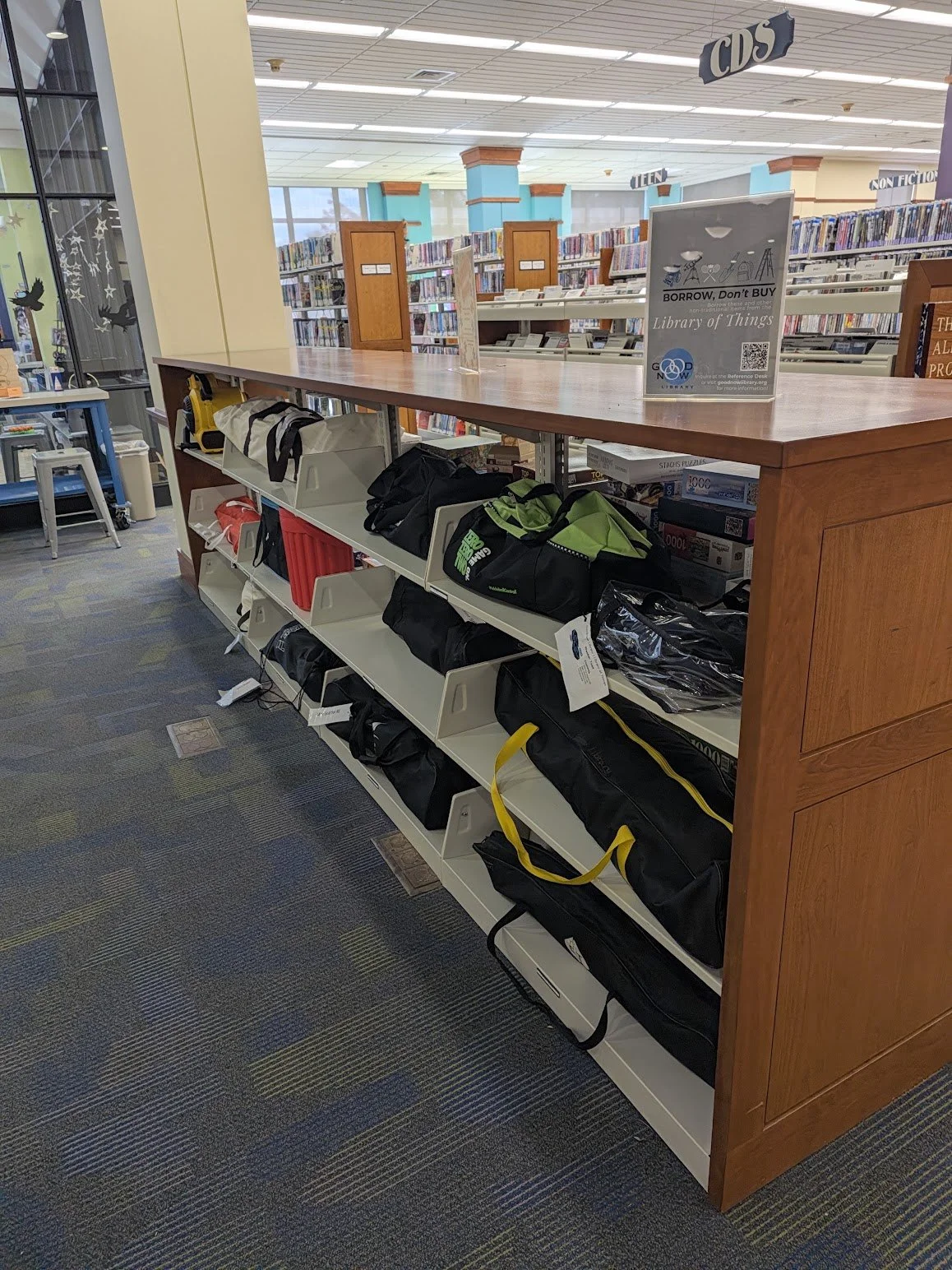
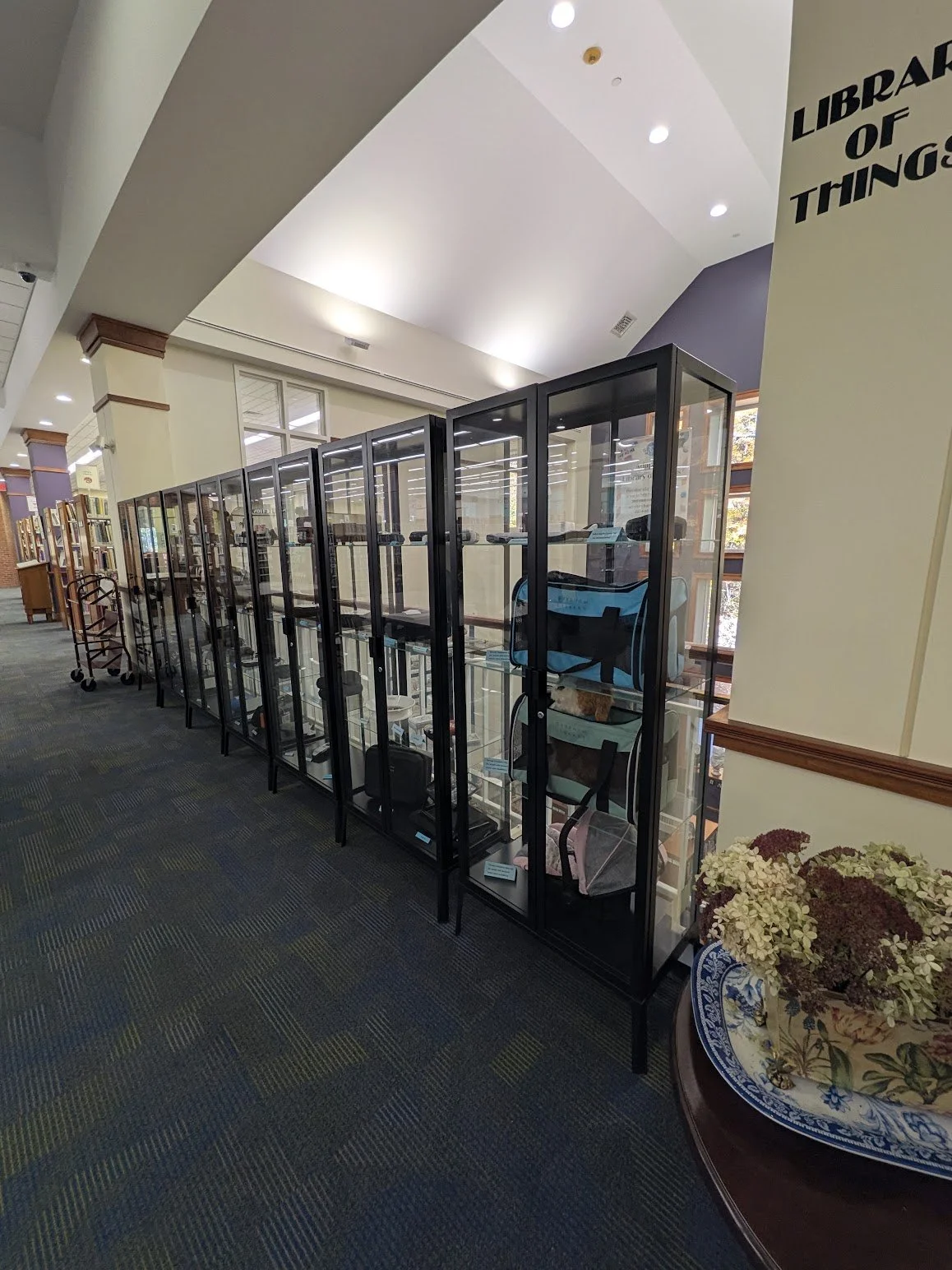
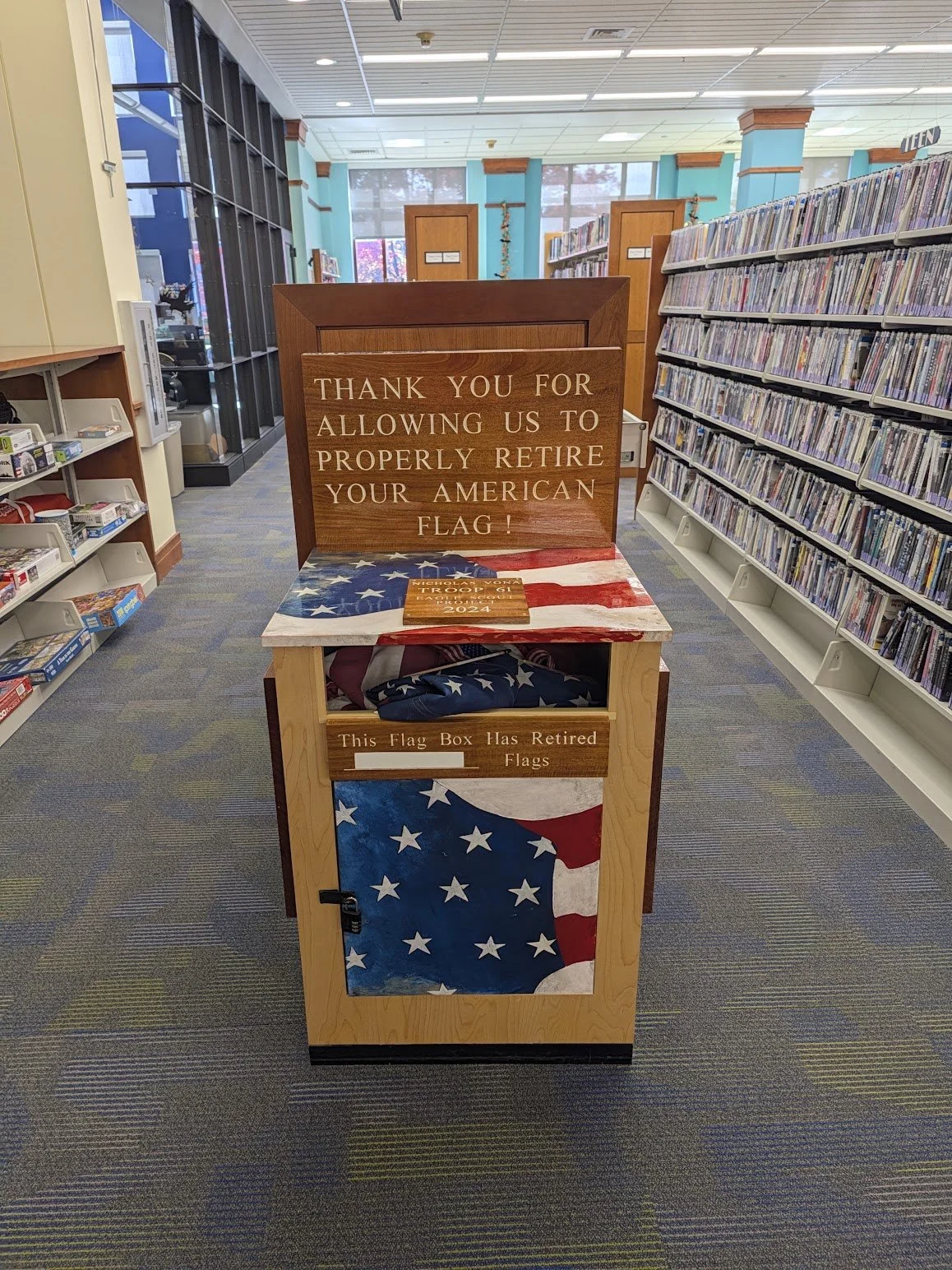
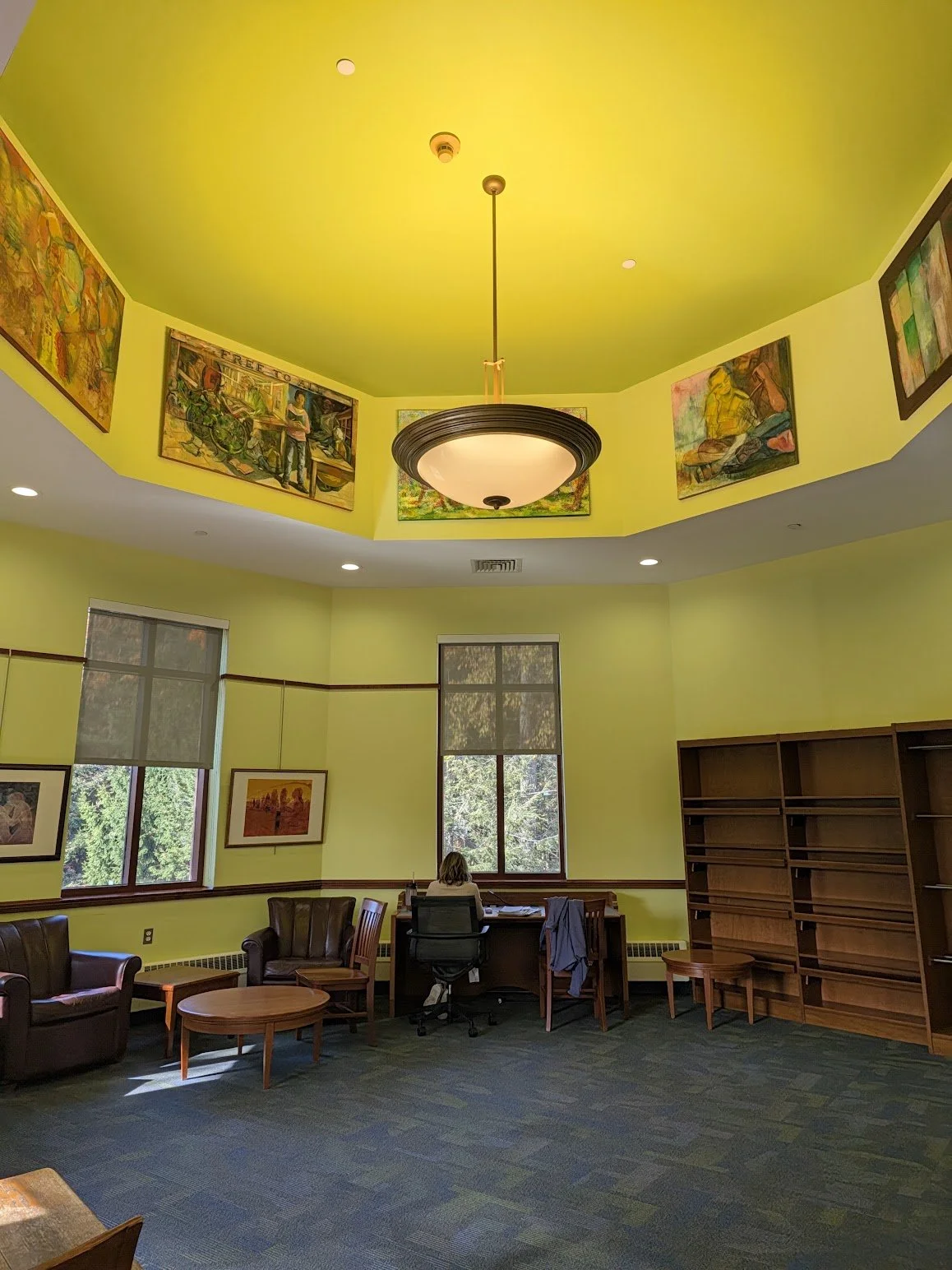
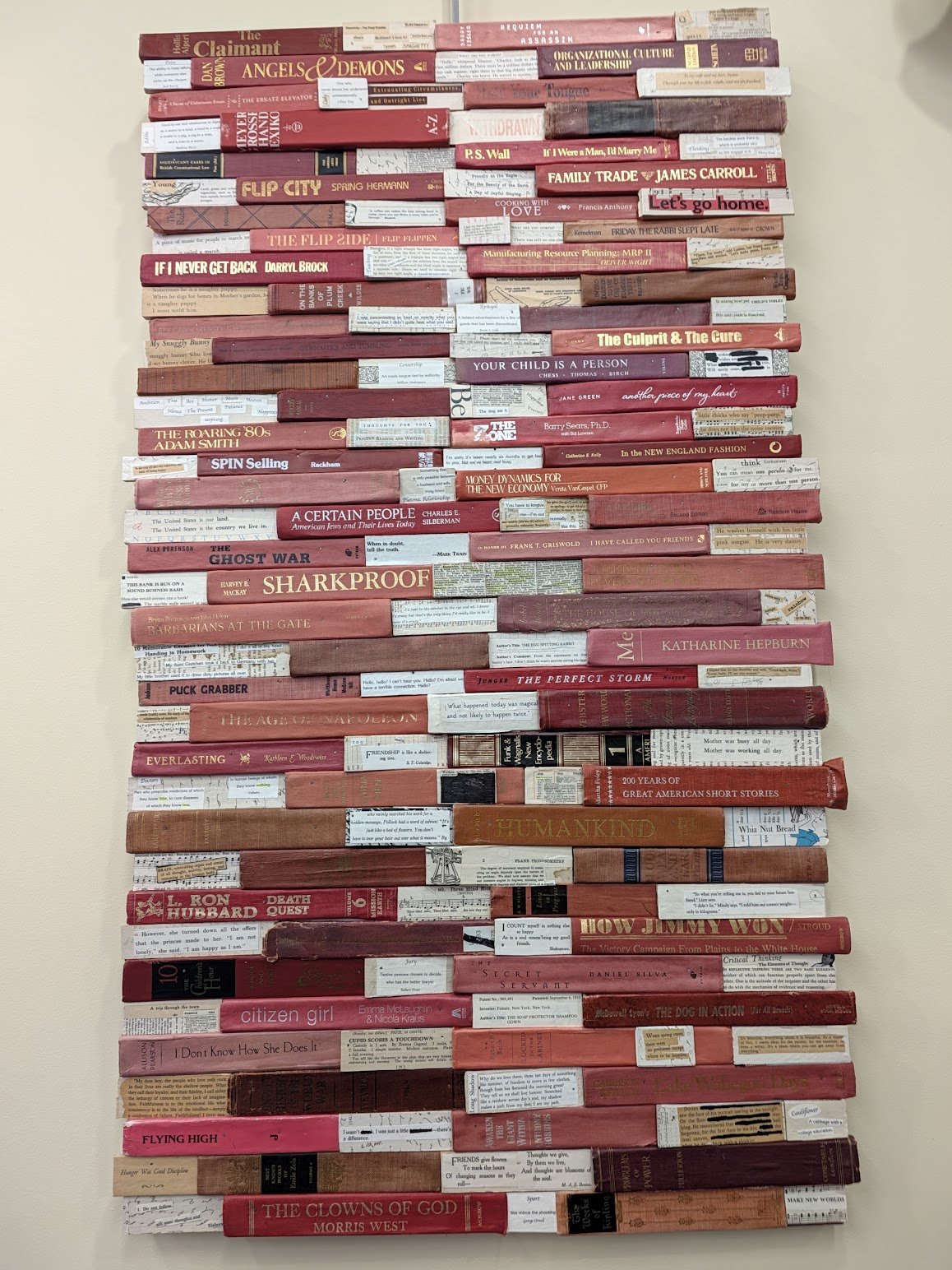
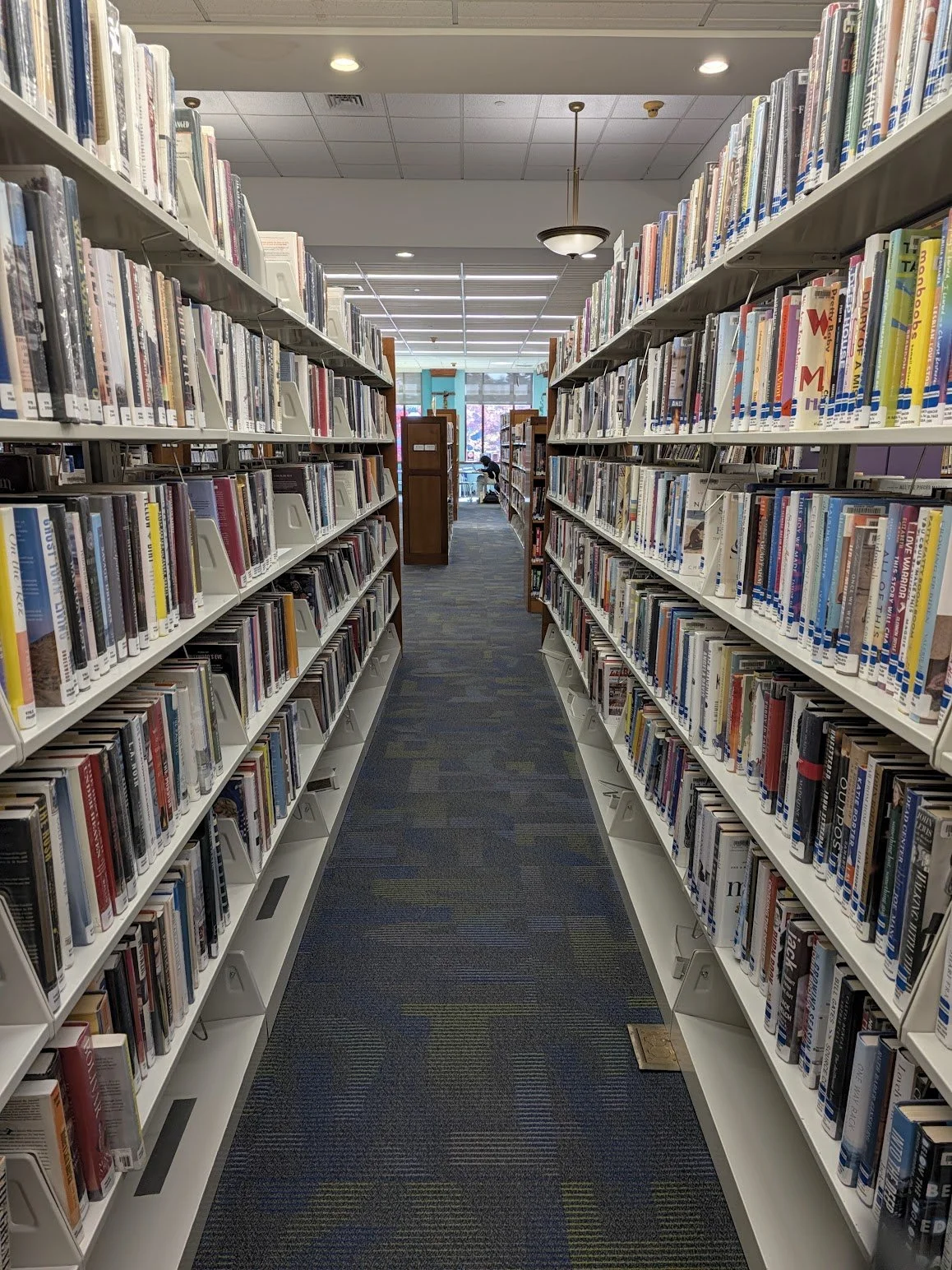
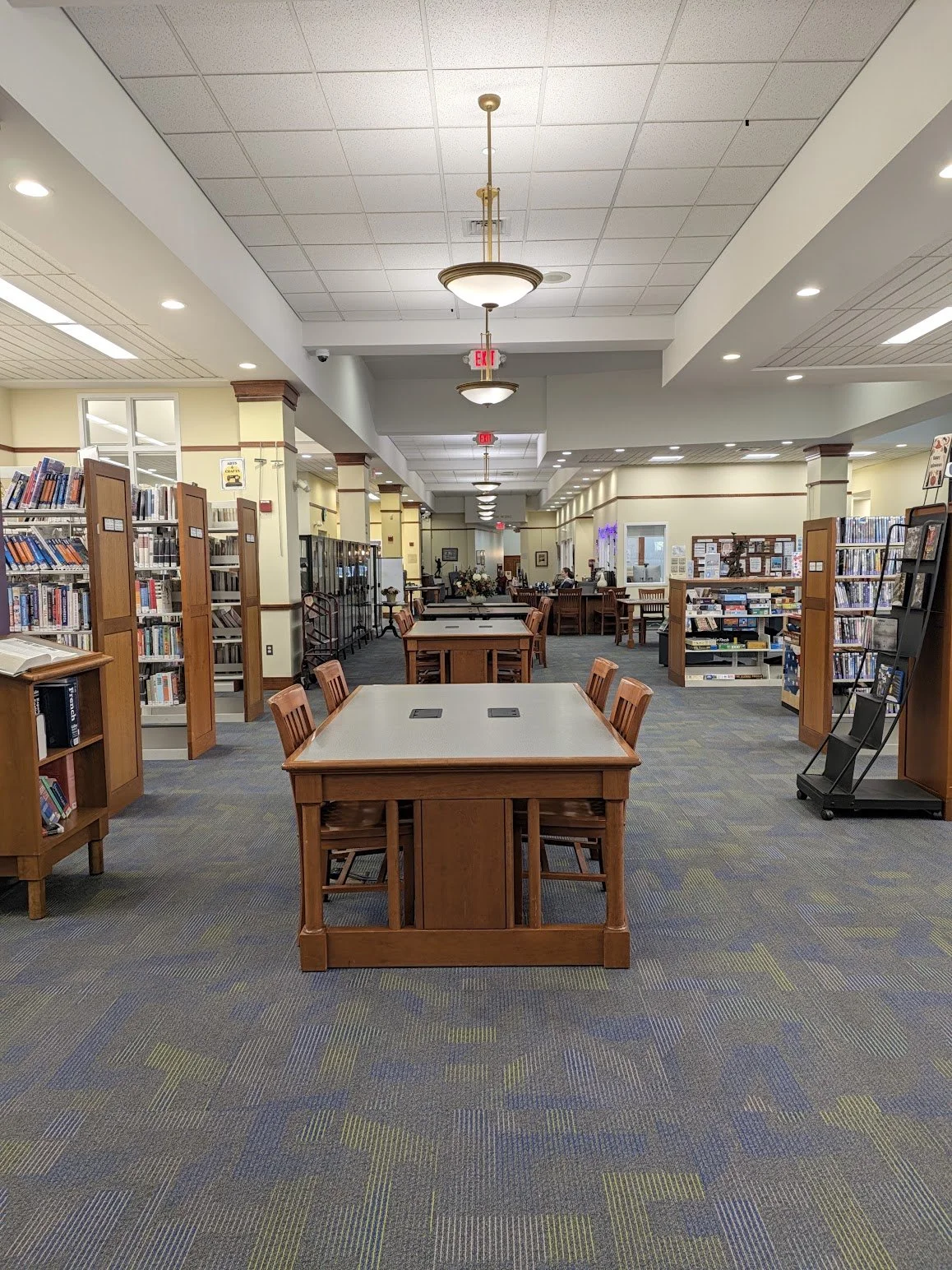
This floor is also home to the library’s Library of Things collection, the rest of the adult collection, and many additional work and reading spaces. While we were talking with Director Amy, Local History Librarian Abi joined us and provided helpful details on the evolution of the library’s spaces.
Returning to the first floor, we made our way to the children’s department. This is a large and bright space. On the right is a large alcove for board and picture books. There’s a play area there, too. There are two spaces for programs - one in the octagon, which is perfect for storytimes, and a separate room for crafts or messier activities.
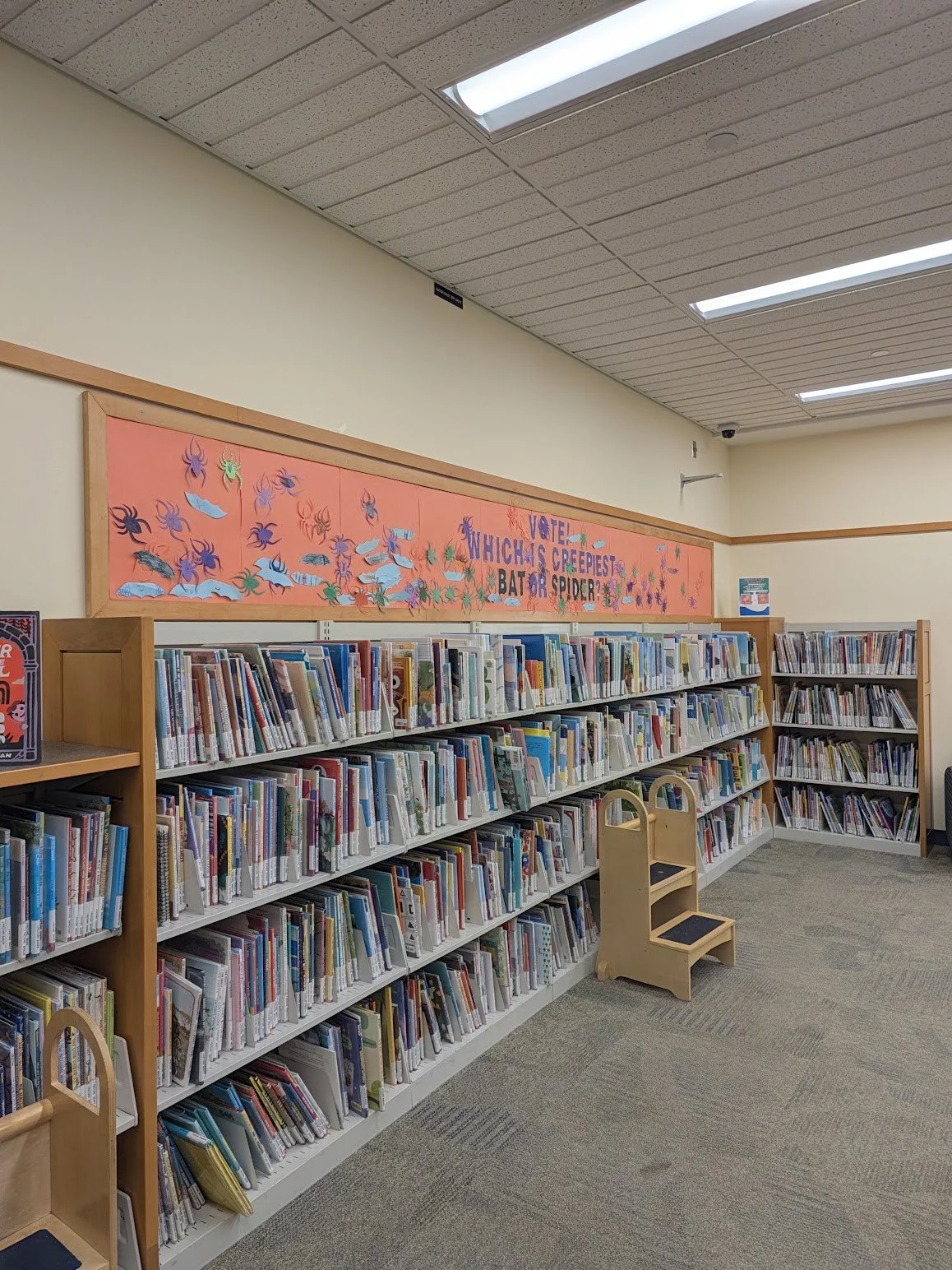
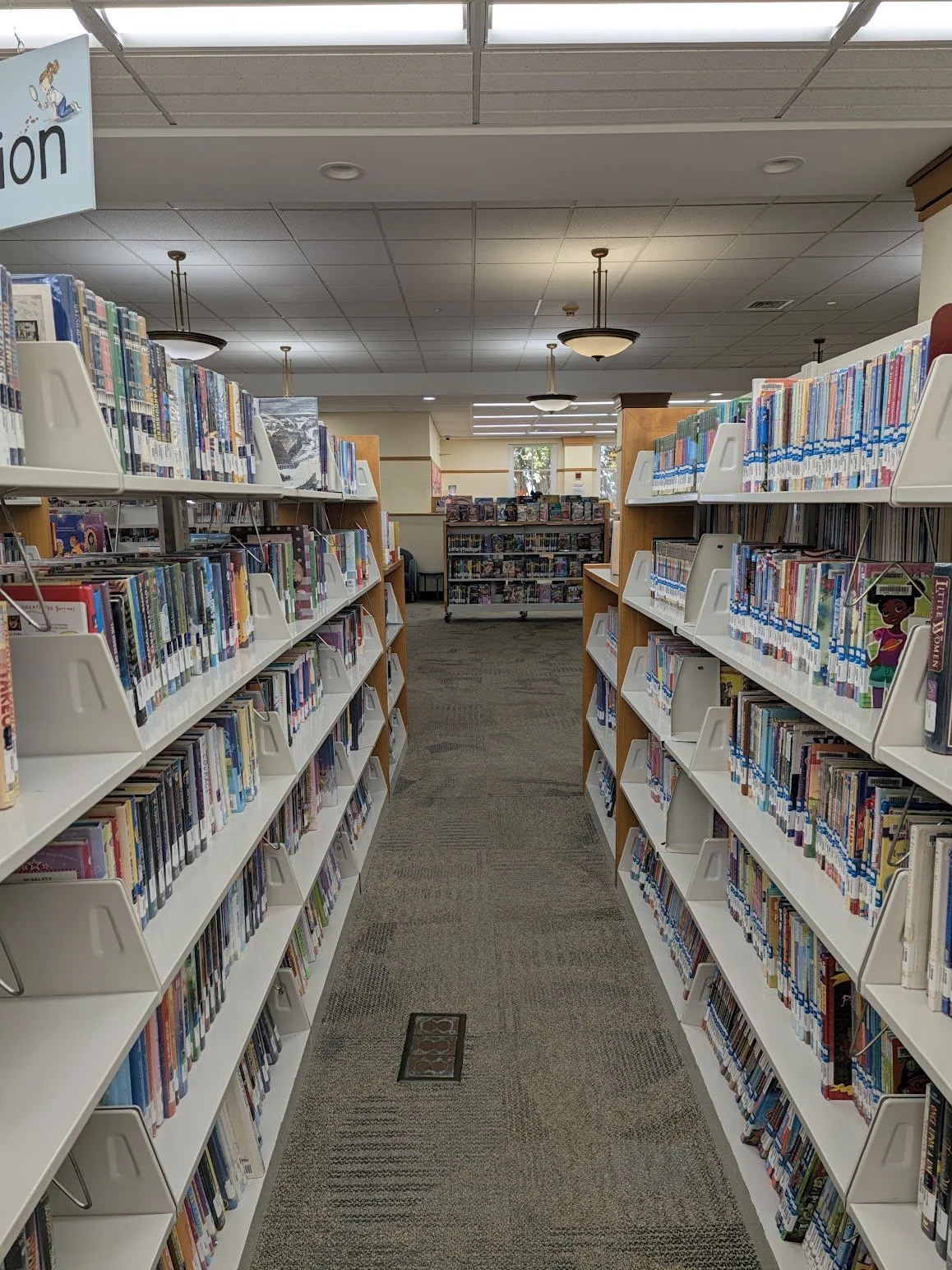
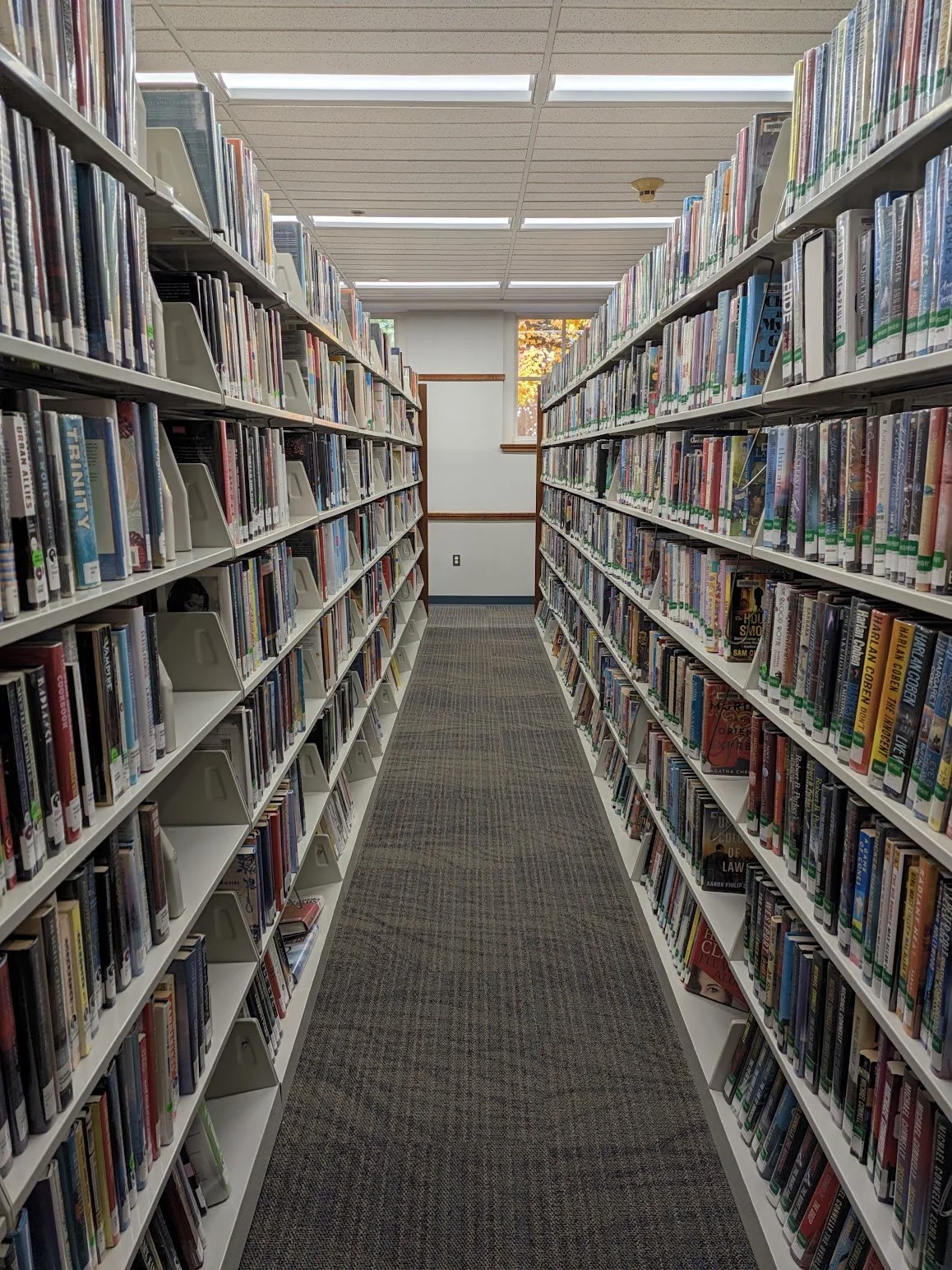
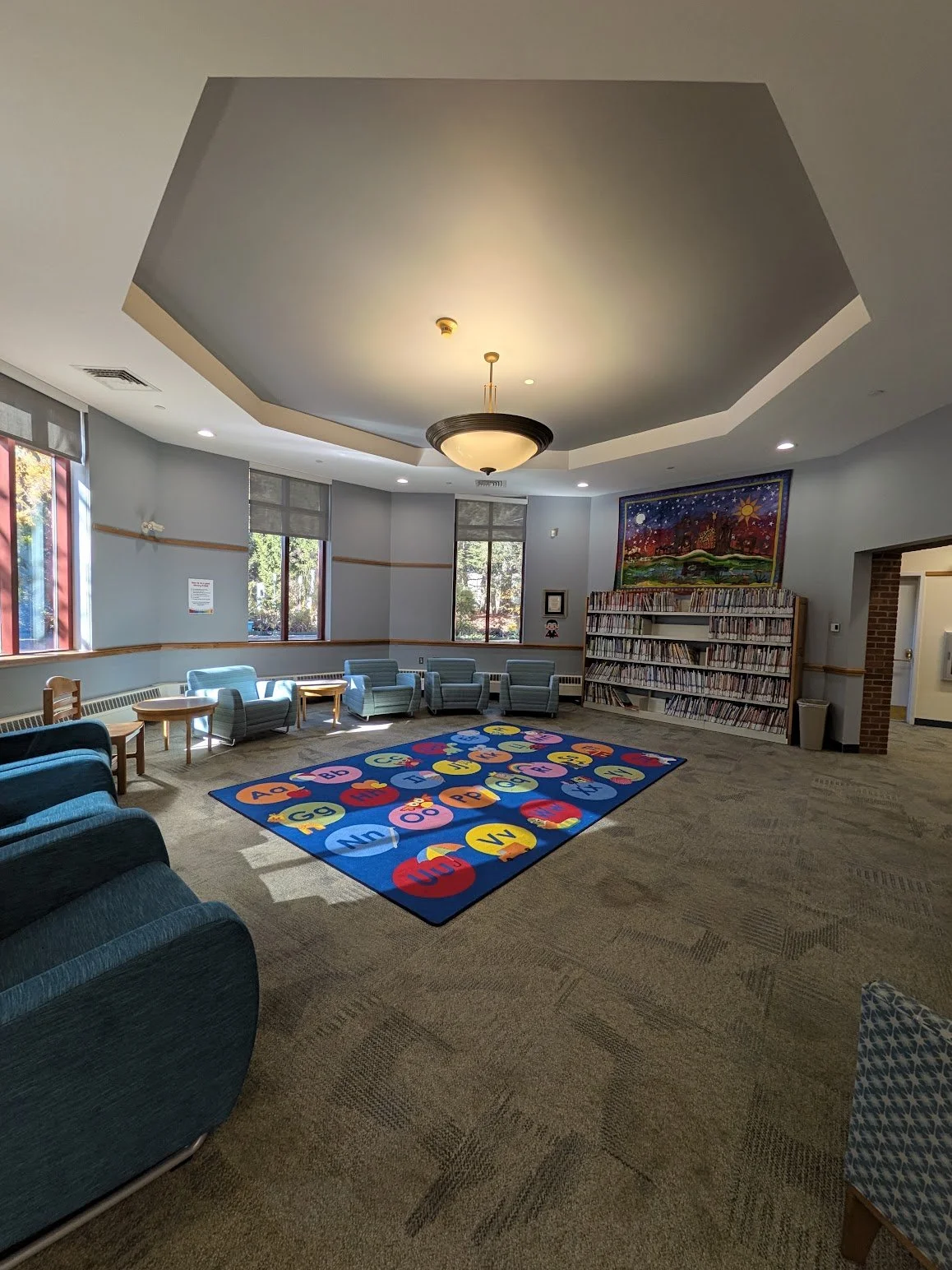
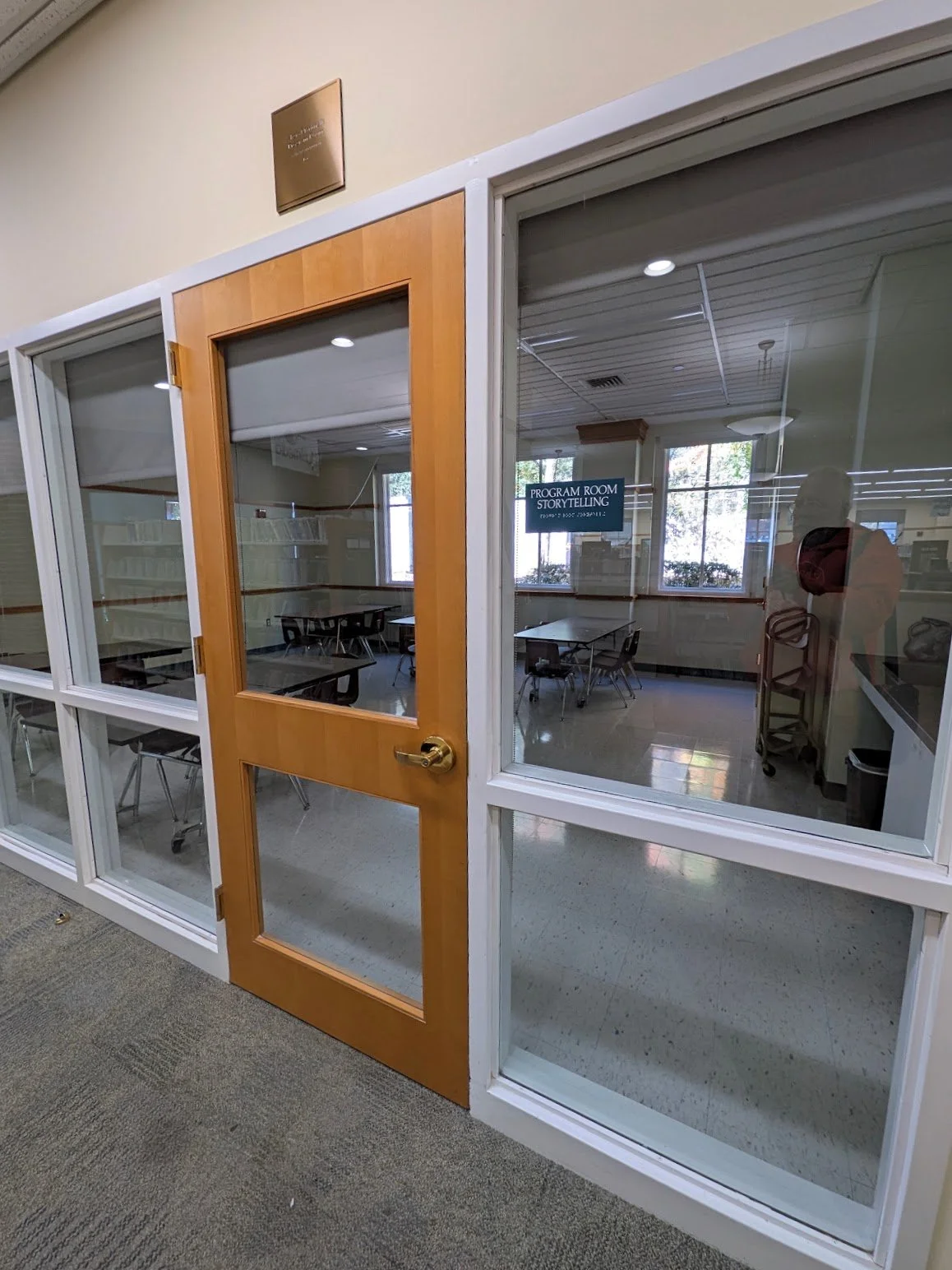
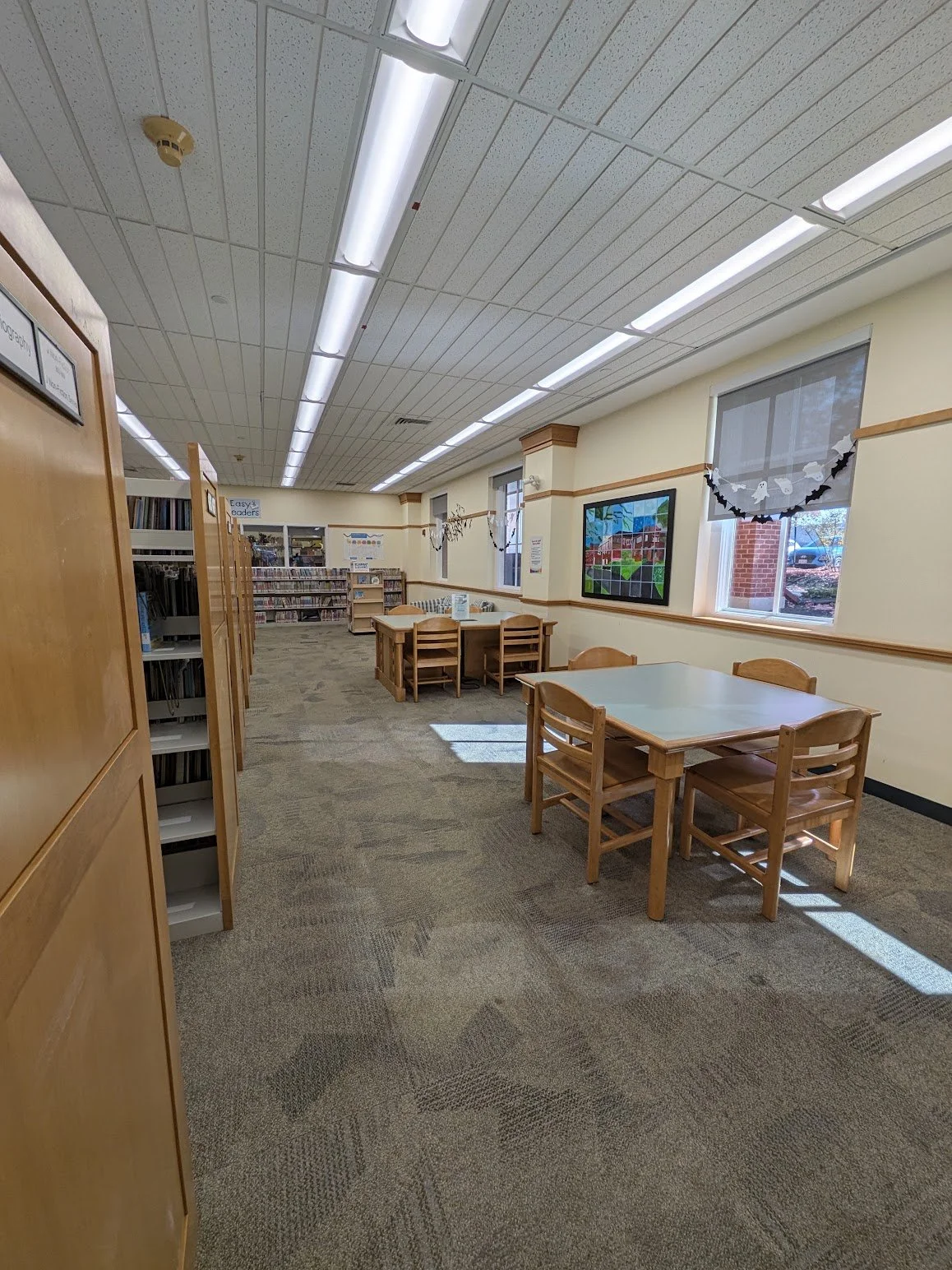
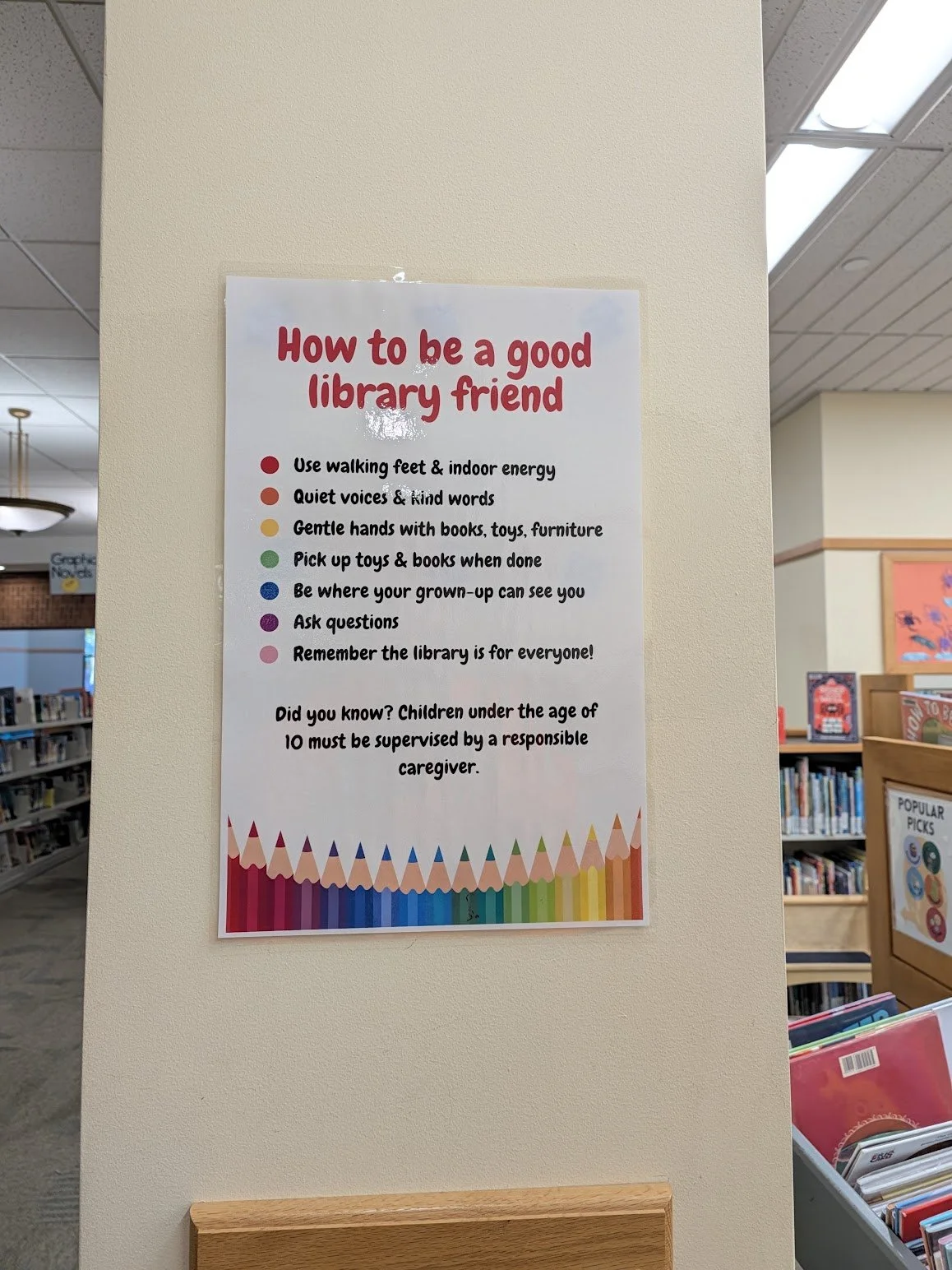
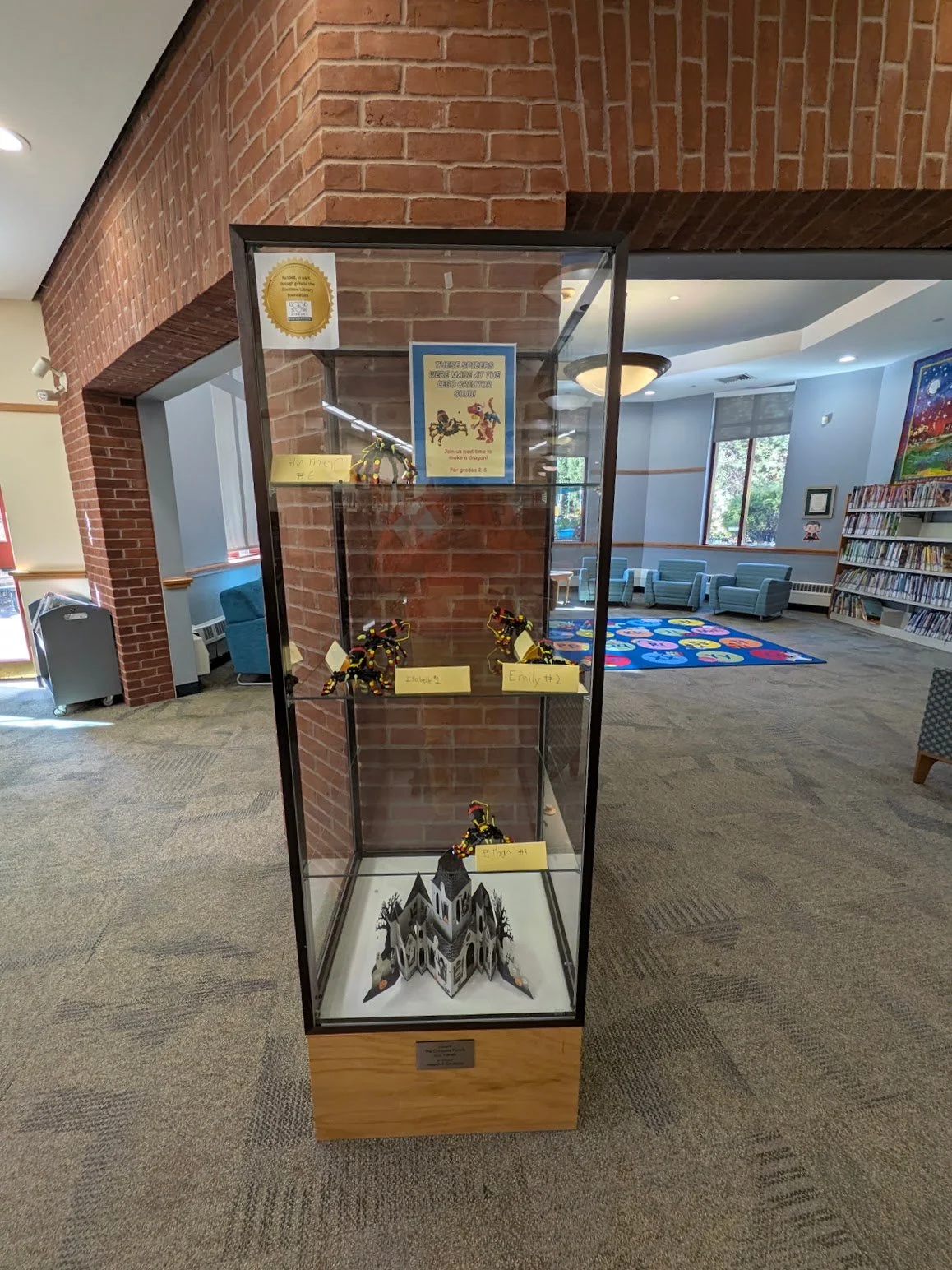
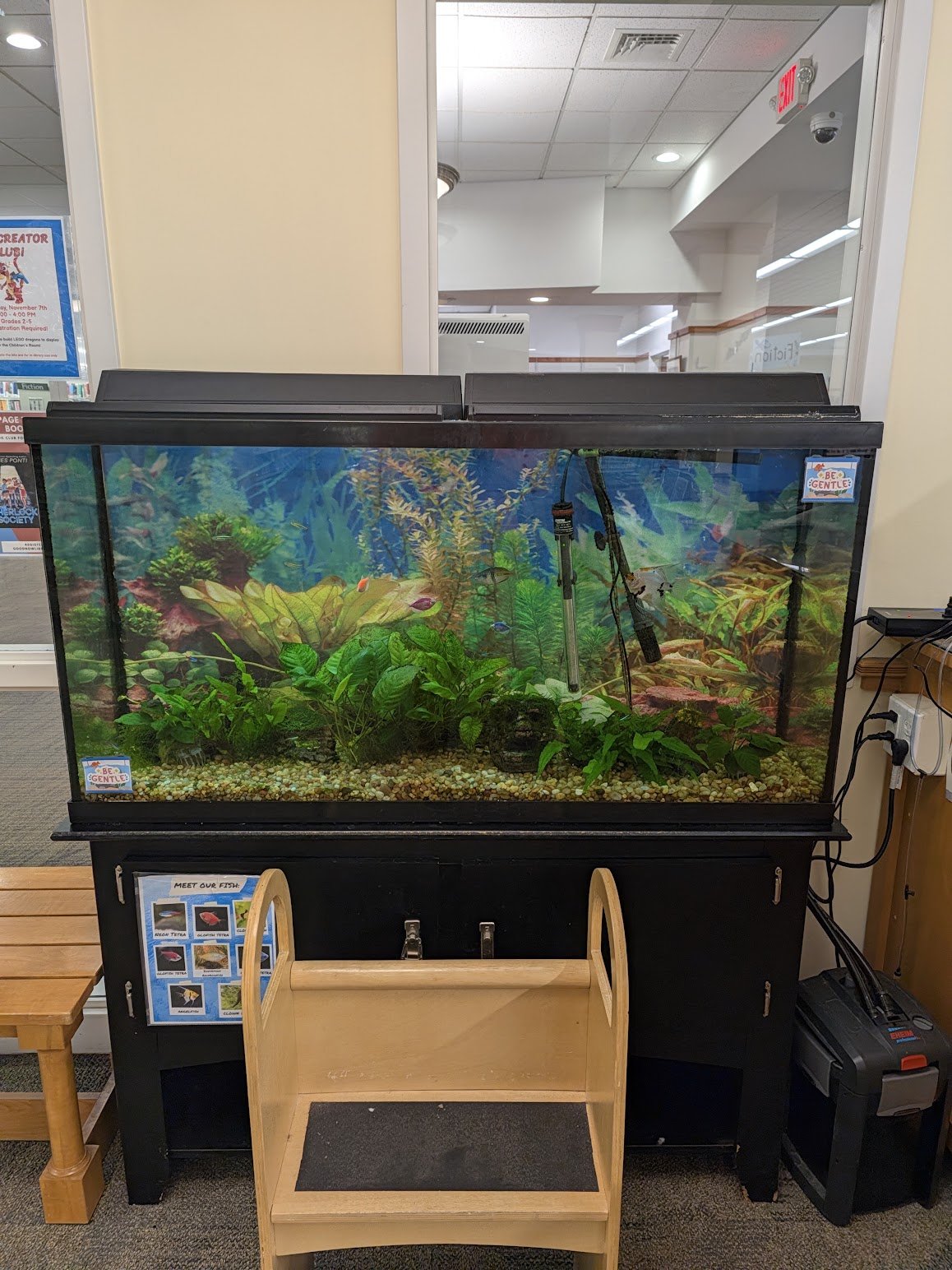
The collection is large, and the space was active during this visit. A fish tank - always a popular feature - sits beside the service desk and has a fish ID key and a small step-stool. The whole effect of this part of the library is inviting and engaging.
As we left the library, we reflected on how many things were awesome. We appreciated the respect for the original spaces and how those spaces were echoed in later expansions. We were struck by how willingly the staff and administration shared their thoughts and observations with us. We saw how well this library functions as a touchpoint for the community. The Goodnow Public Library is something special.