
Wellesley Hills Branch, Wellesley, Massachusetts
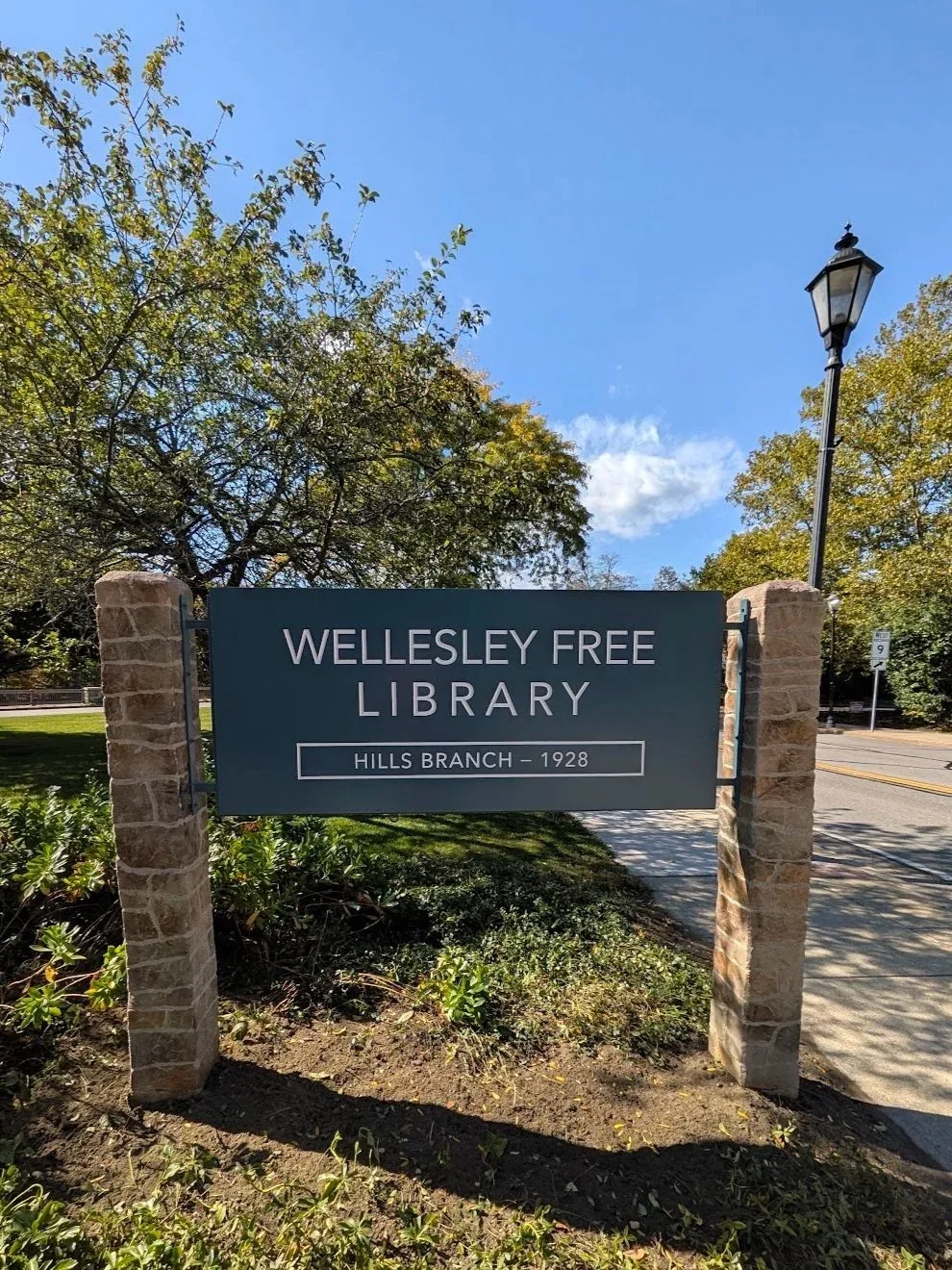
The Wellesley Hills Branch is one of three libraries serving the community. Opened in 1928, the building just received a fantastic makeover, perfectly timed for the library’s upcoming centenary. Hampton F. Shirer and Ralph H. Hannaford designed the Colonial Revival building, built of local fieldstone.
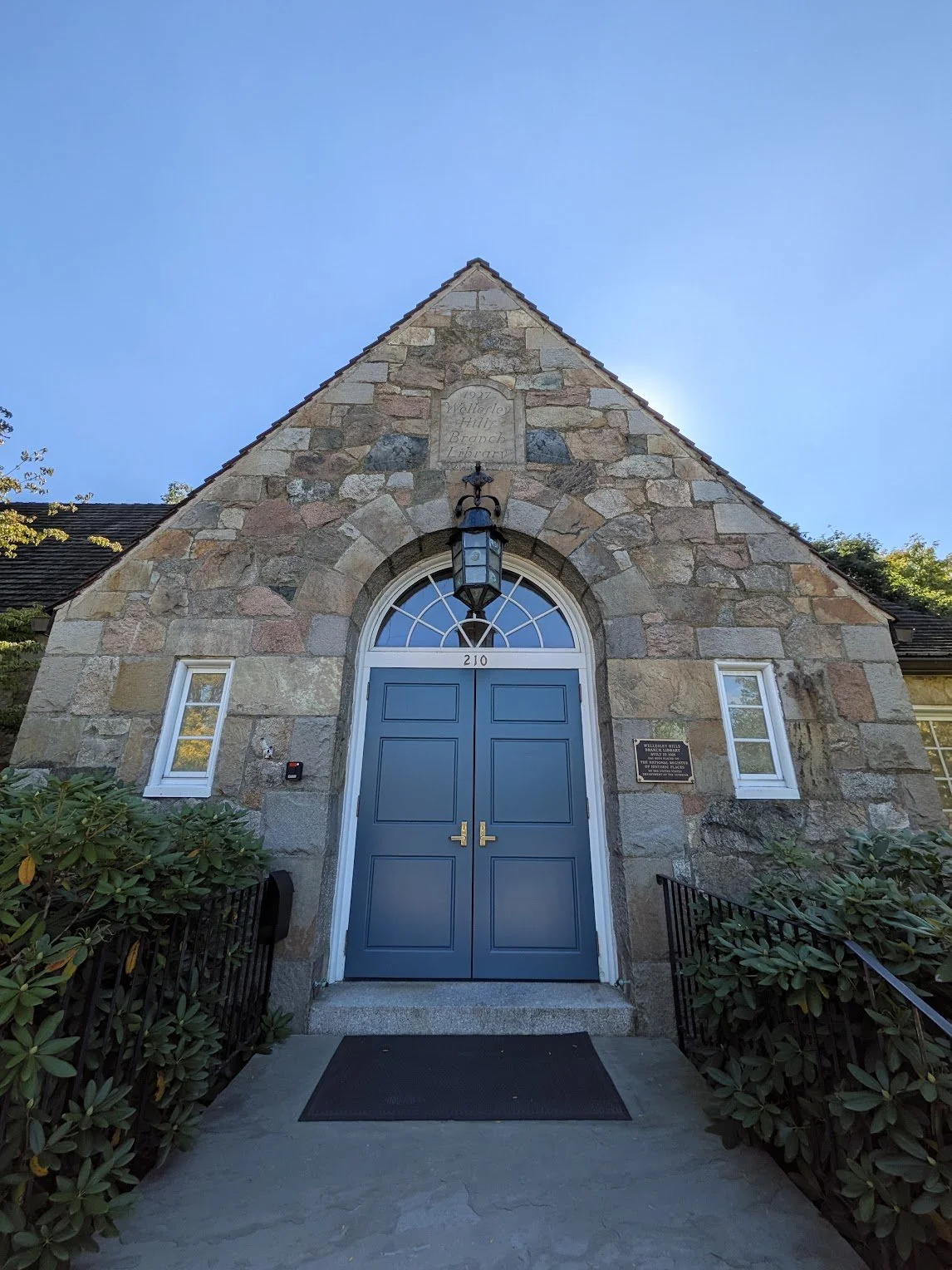
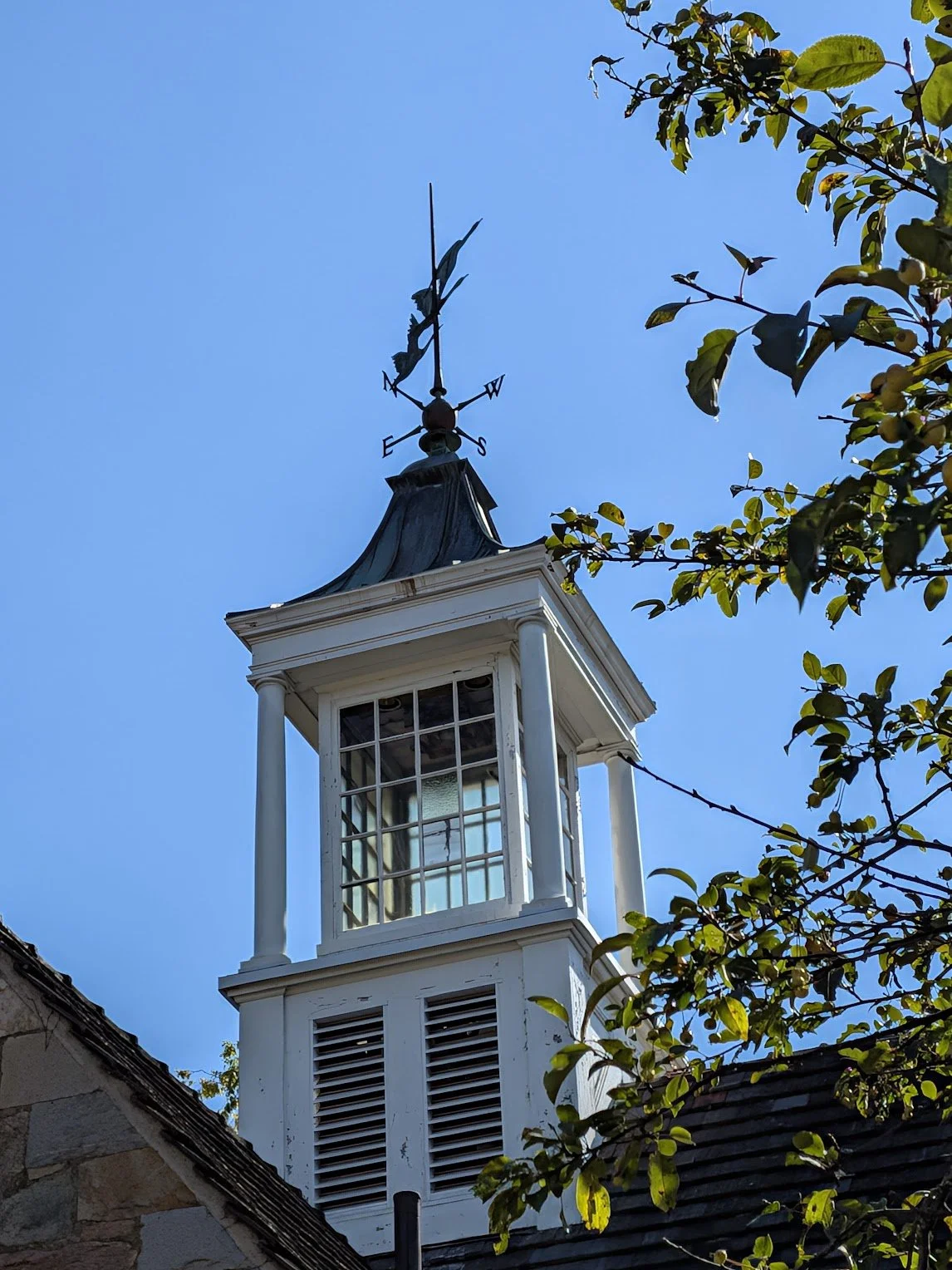
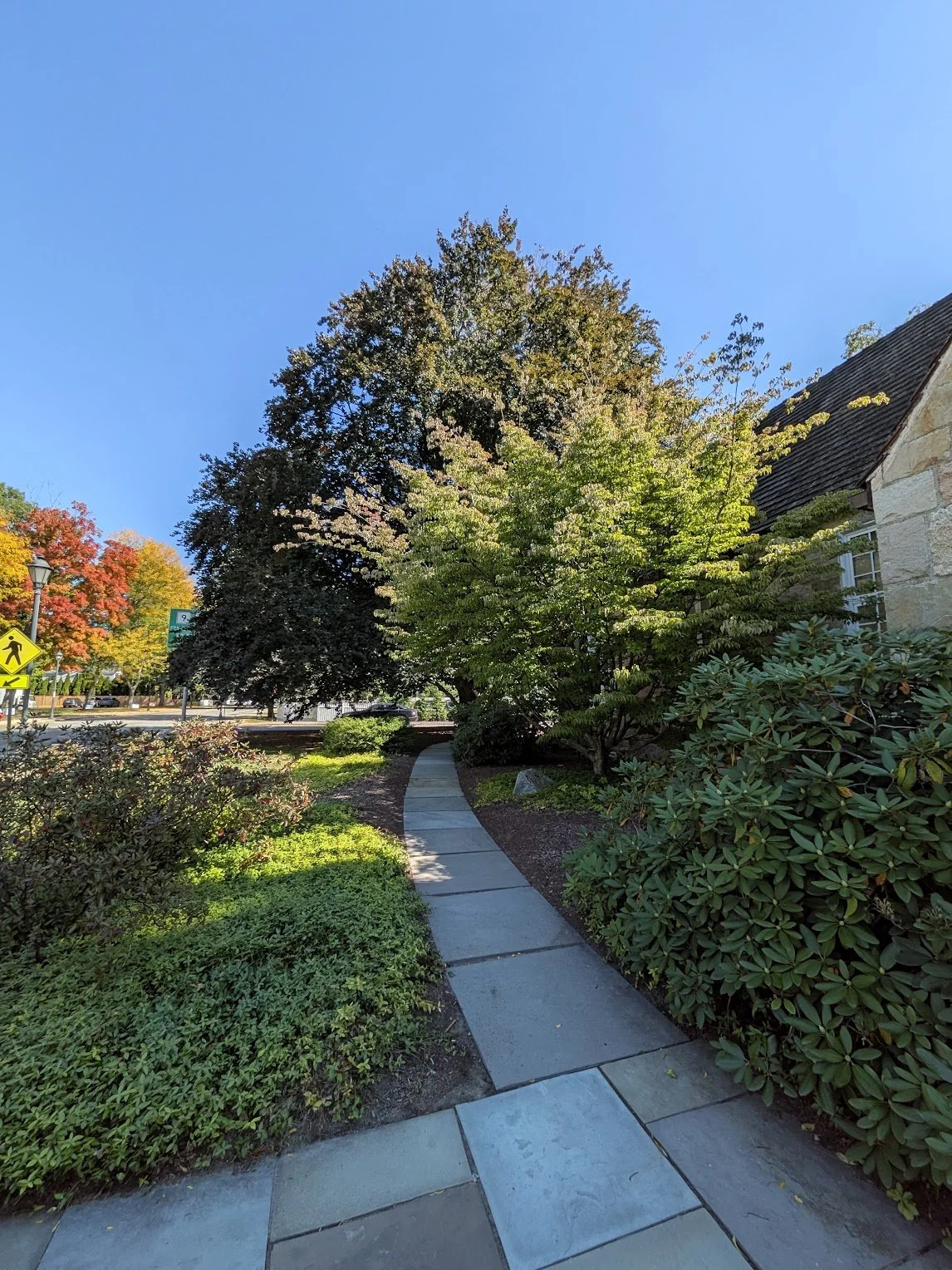
The building has always been of its era. As happens over 100 years, the building and its spaces evolved. The total interior renovation returns it to its original style while adding plenty of upgrades. Jamie Jurgenson, the library director, and interior designer Richard Eustice of Atlantic House, Ltd., were on hand for a sneak peek at the new design.
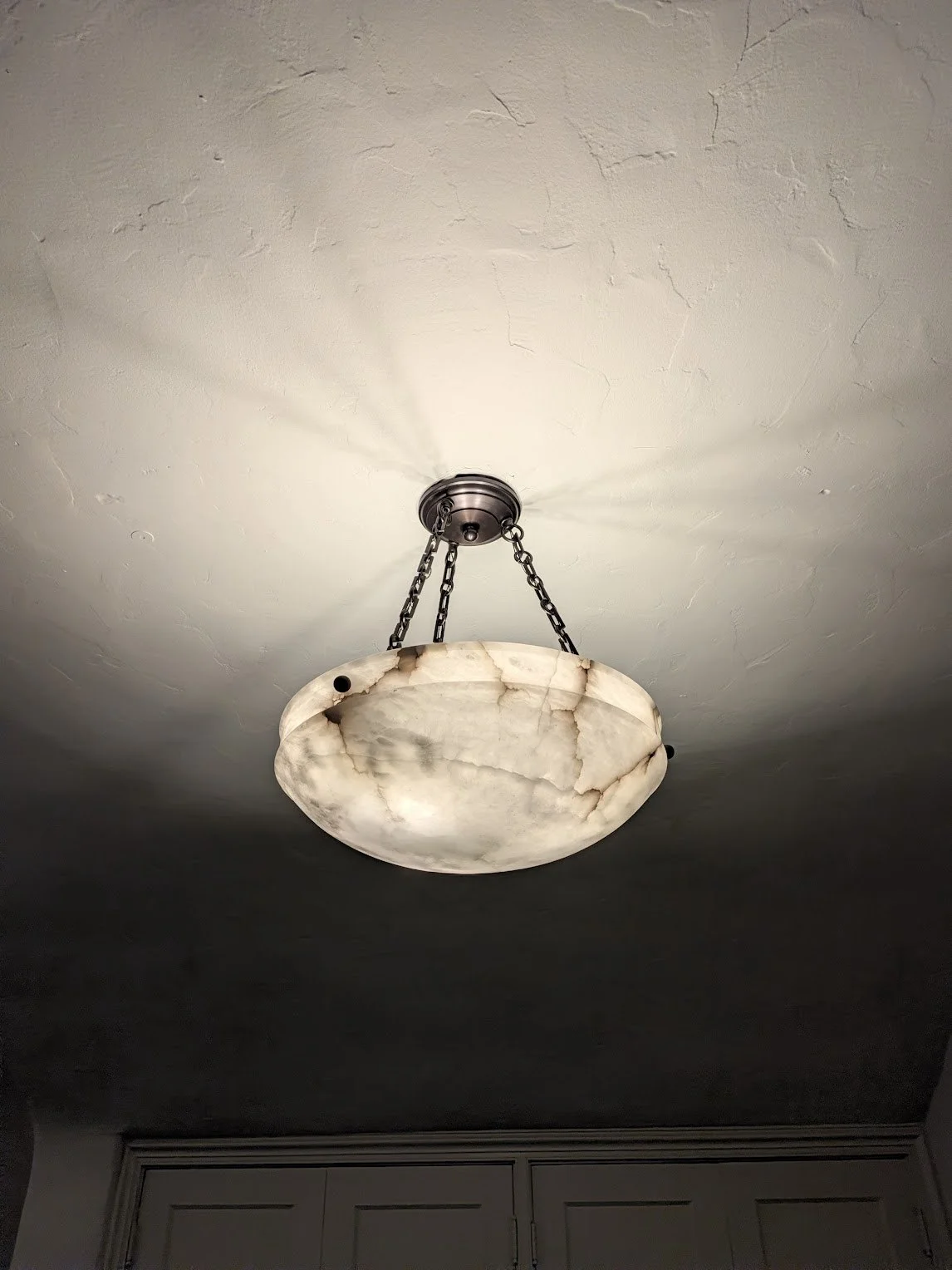
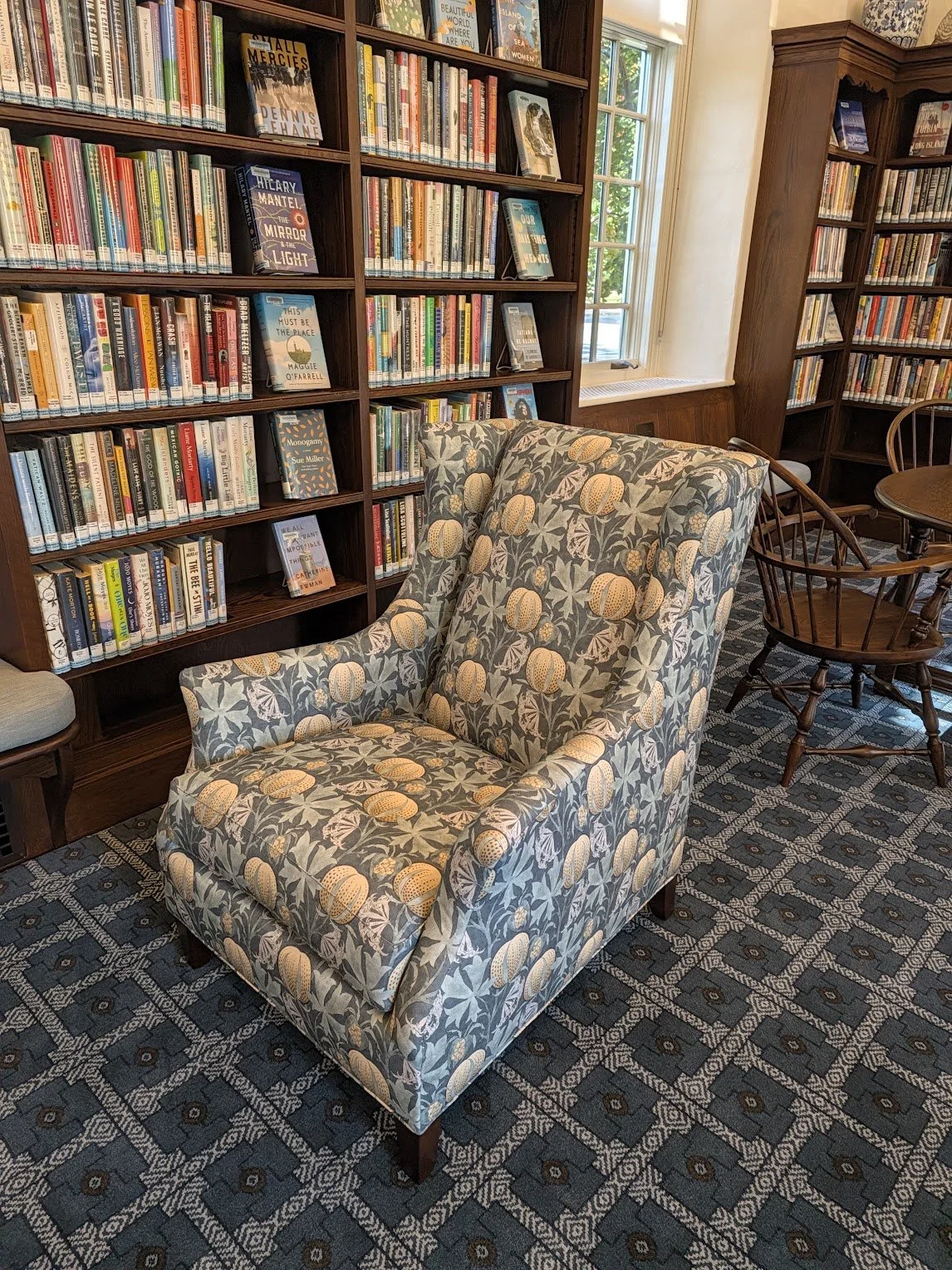
The library’s history informed everything. The carpets drew on an original 1920s design, bespoke alabaster lamps hang from the ceiling, and custom chairs appear throughout. Everywhere, that is, when the originals weren’t available. A trompe-l’oeil rosette on the ceiling replaces the space once occupied by a large fan. An excellent addition.
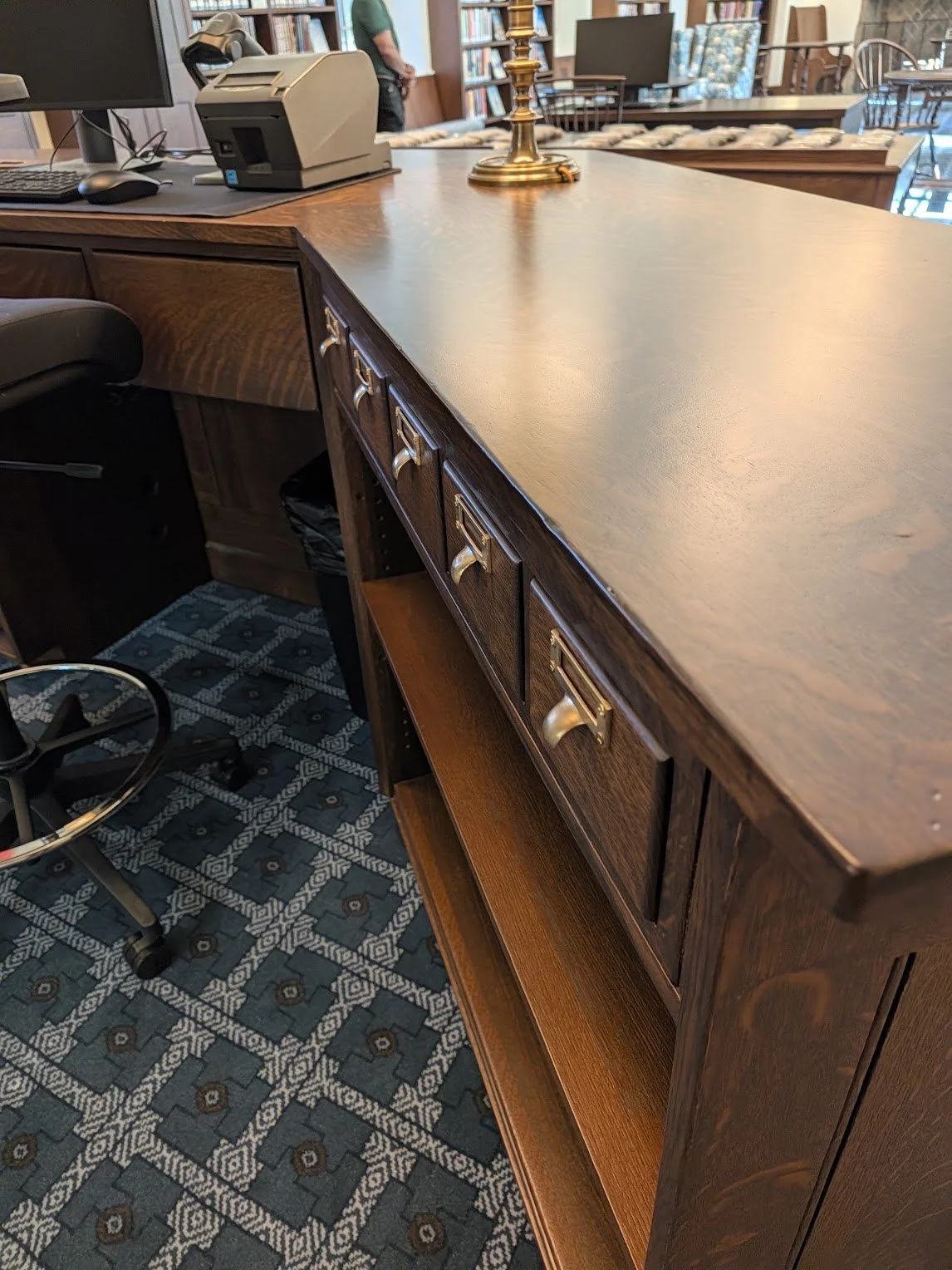
At one end of the room, the original service desk has been faithfully restored. It has a cool roll-back cover and an integrated card catalog (no longer in use). Behind the desk is a work area. The lintel to that space is rustic, rough-hewn wood. If you look closely, you’ll find a simple carved motif that appears elsewhere in the library.
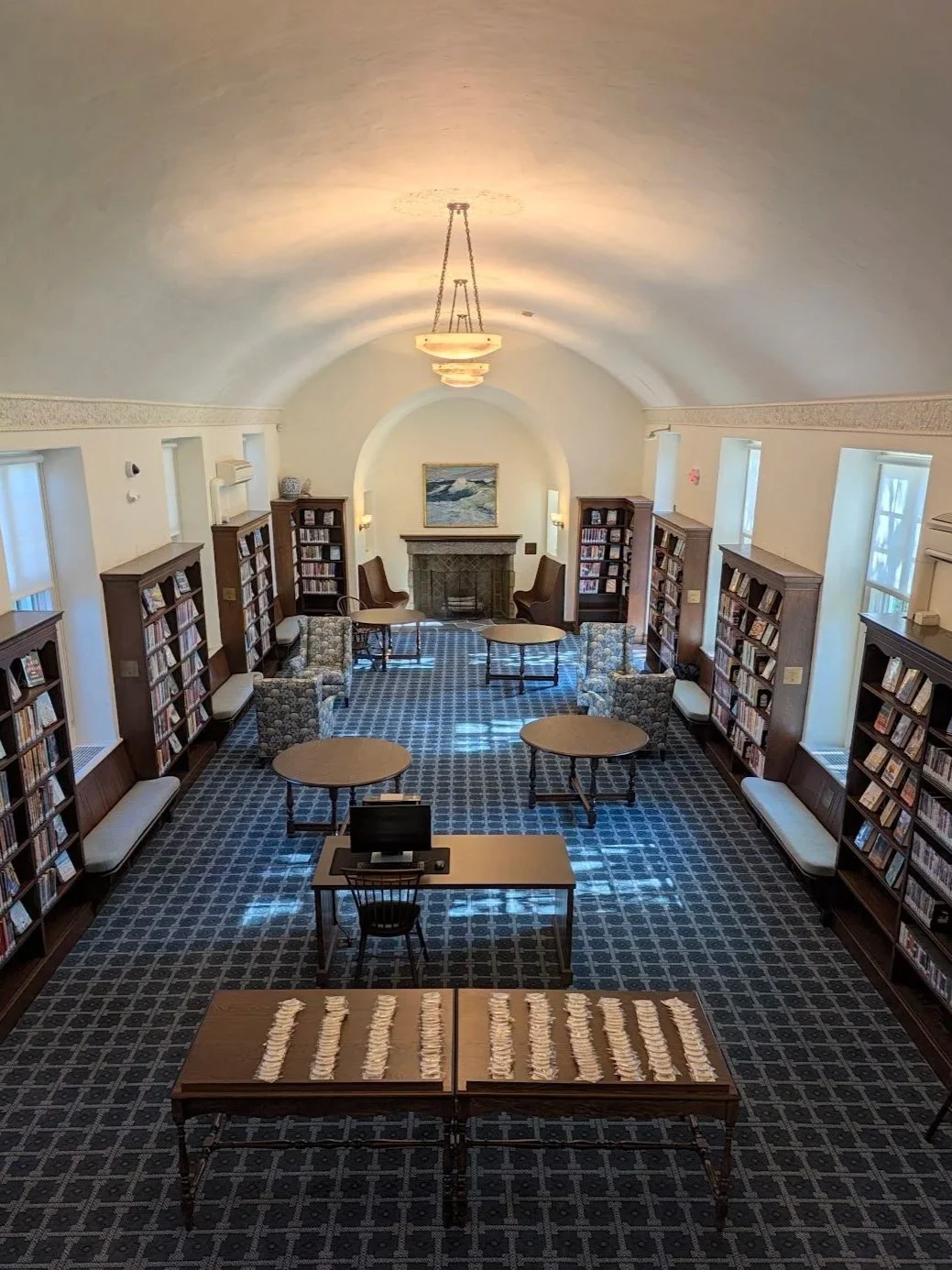
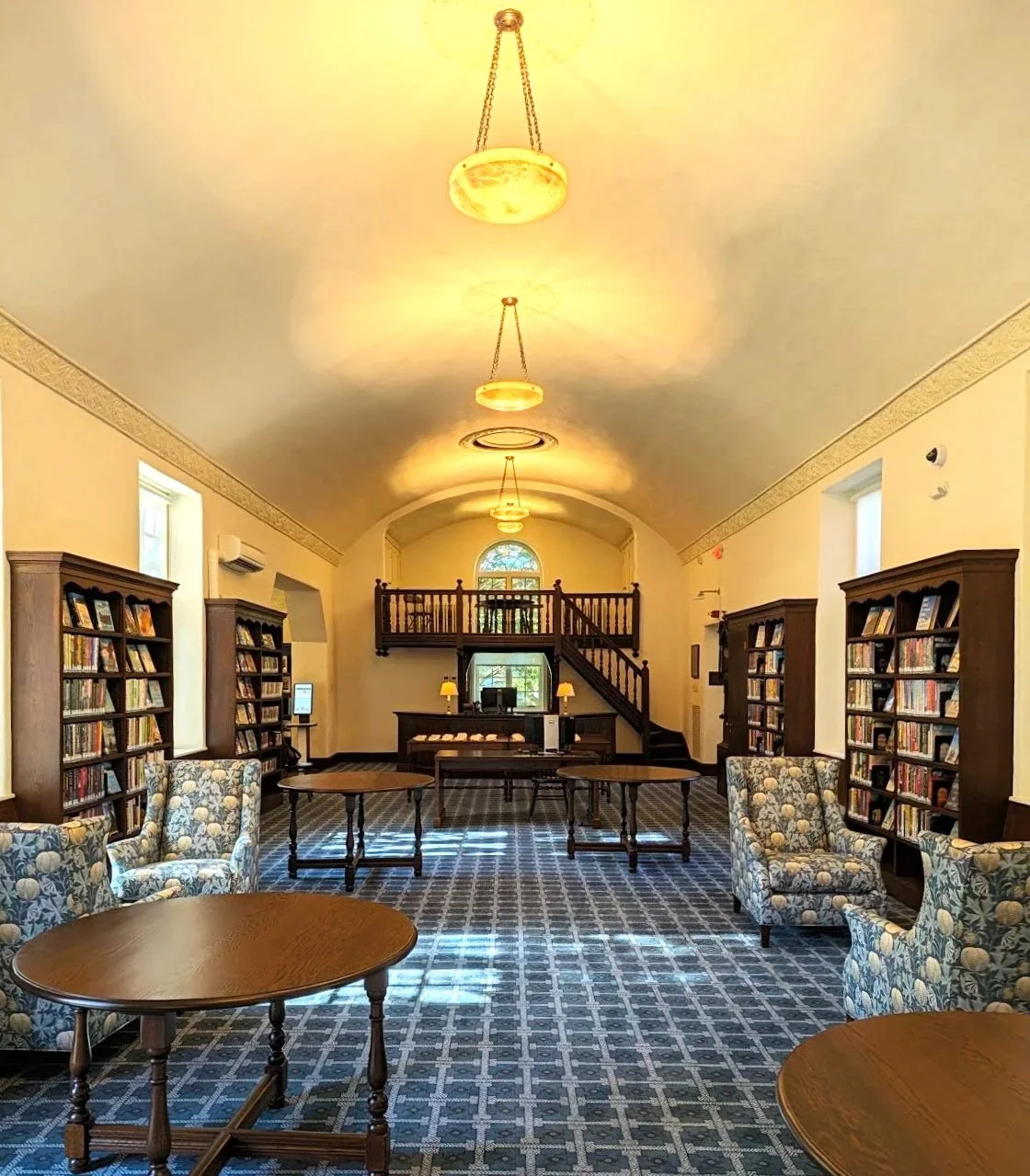
Above the desk, a balcony holds a round table and chairs. It’s a good example of the variety of spaces you’ll see at the library. It also provides a lovely view of the adult section.
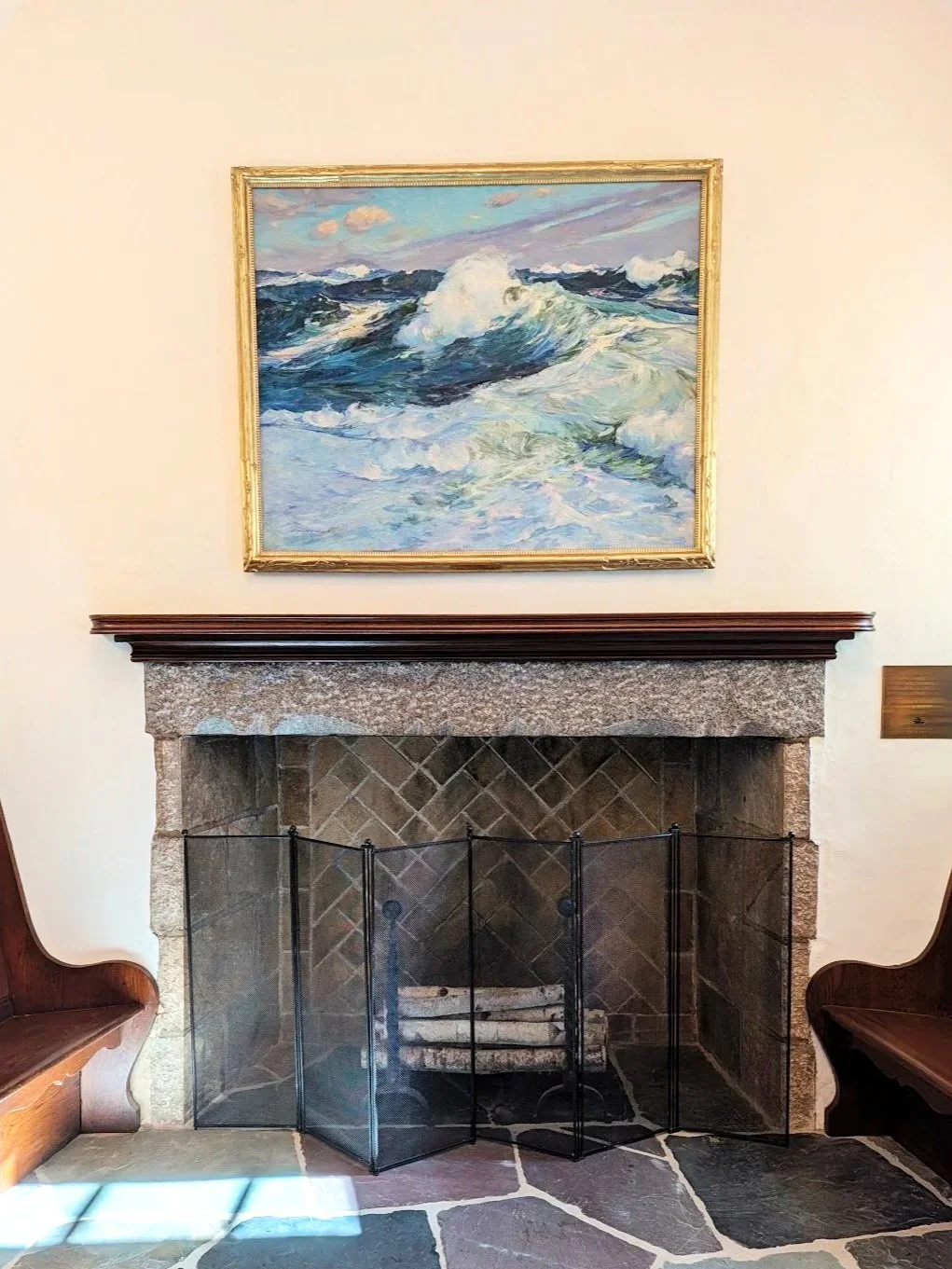
Exploring that section, there was a lot to appreciate. At the far end sits a fieldstone fireplace. The fireplace lintel echoes the detail behind the desk. Above the fireplace hangs a painting by Charles Woodbury, an American Impressionist. It depicts waves on the open ocean, a frequent motif of his work. Its blues and whites tie in to the palette of the entire interior.
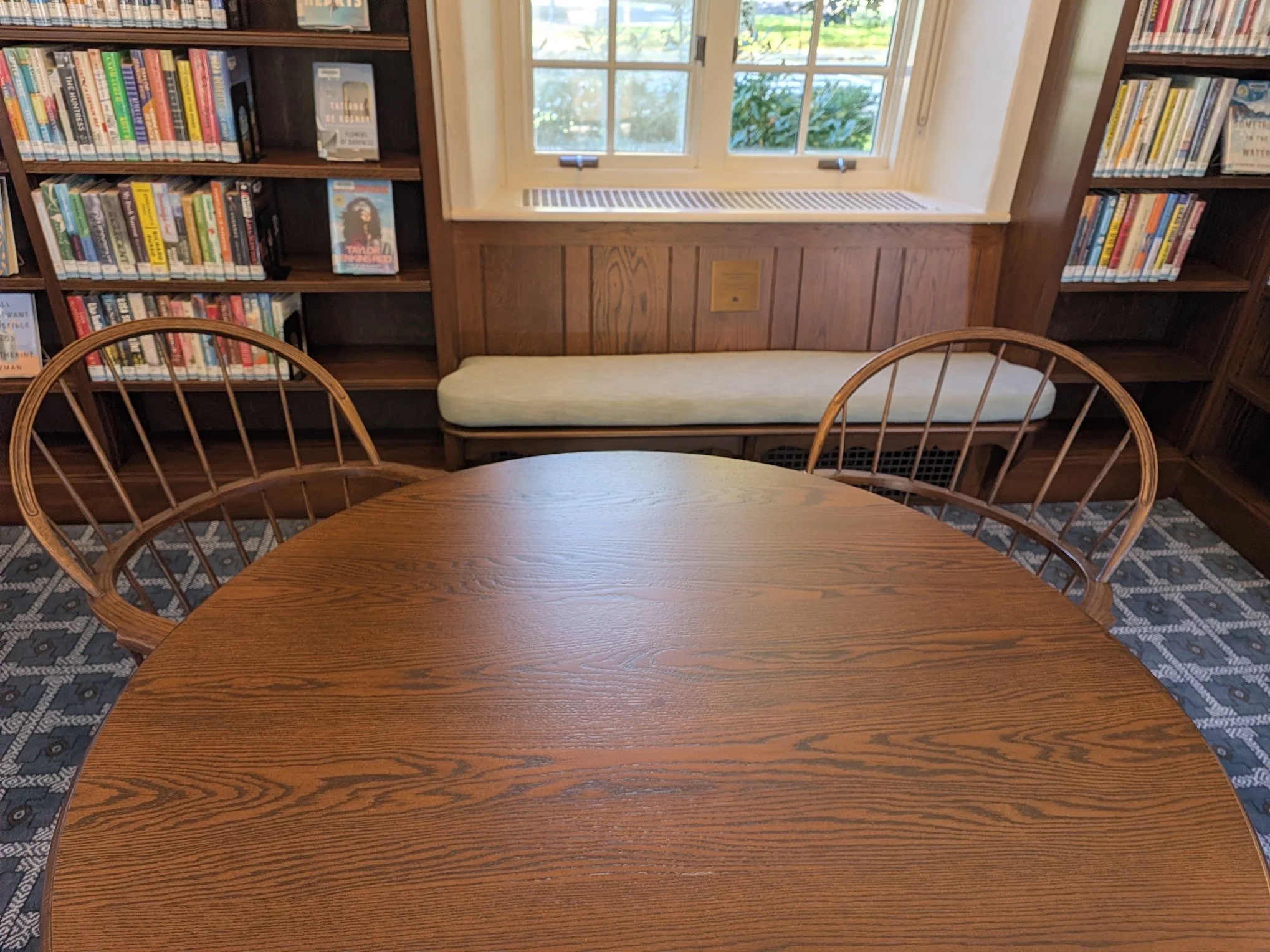
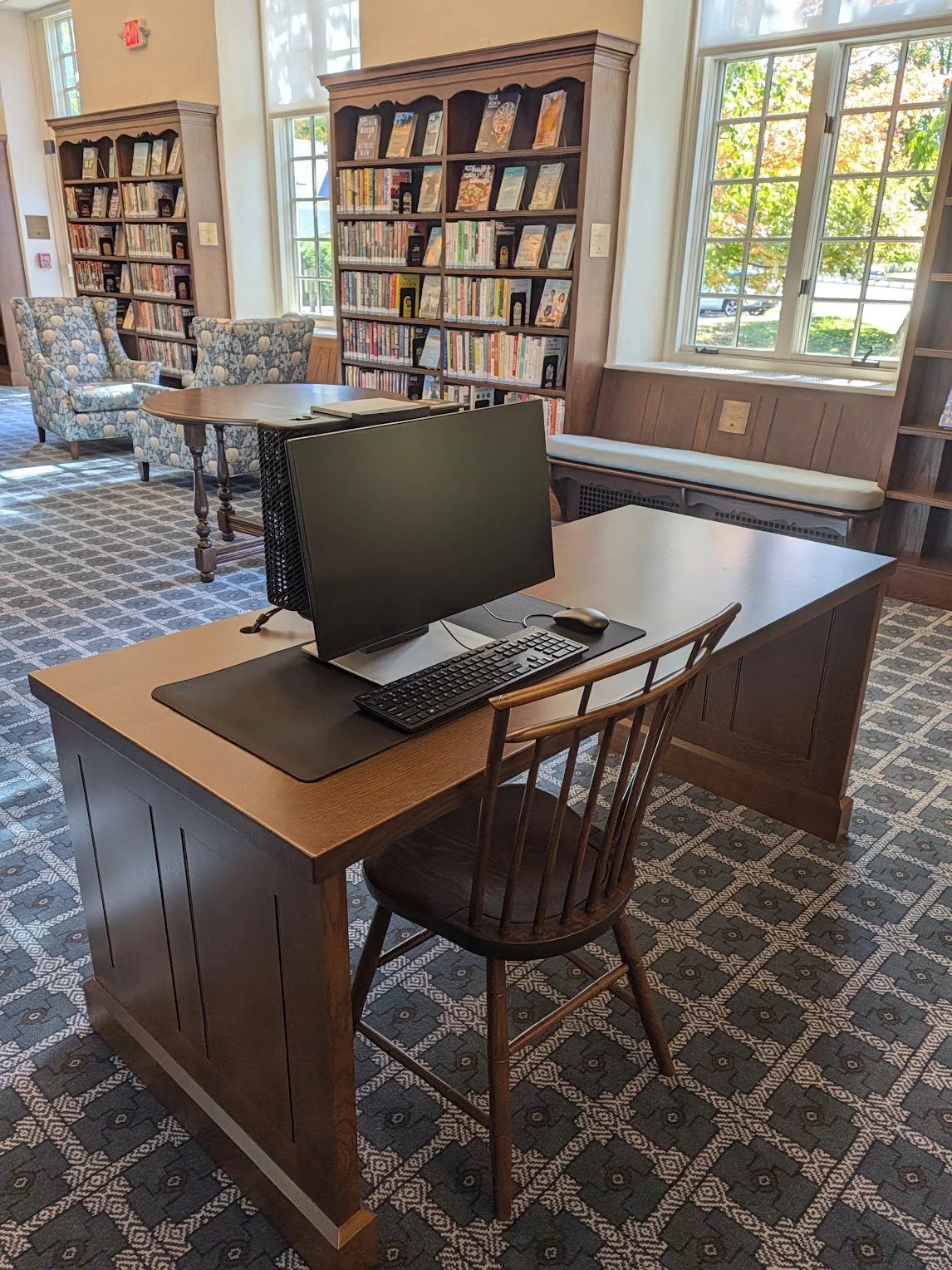
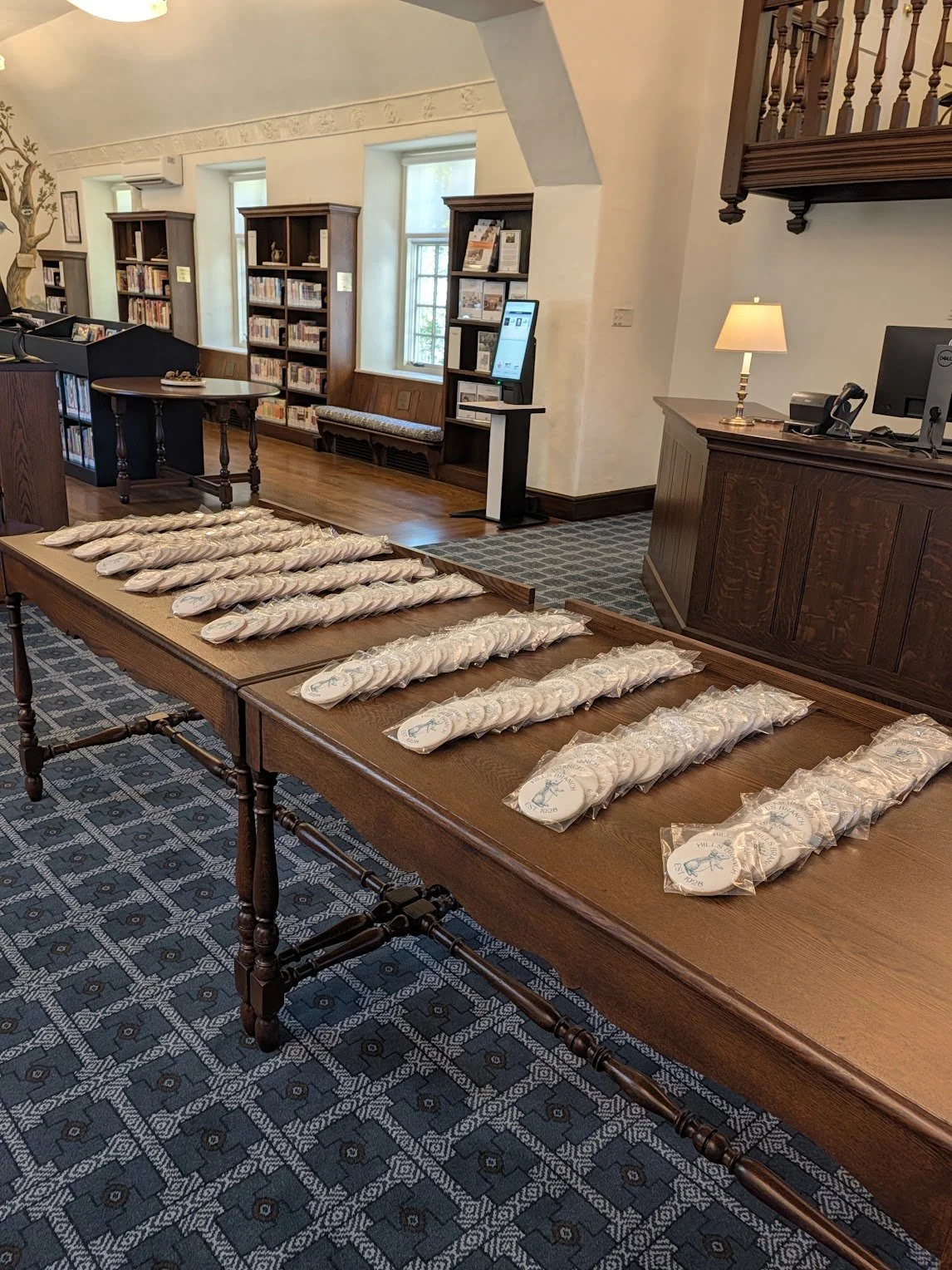
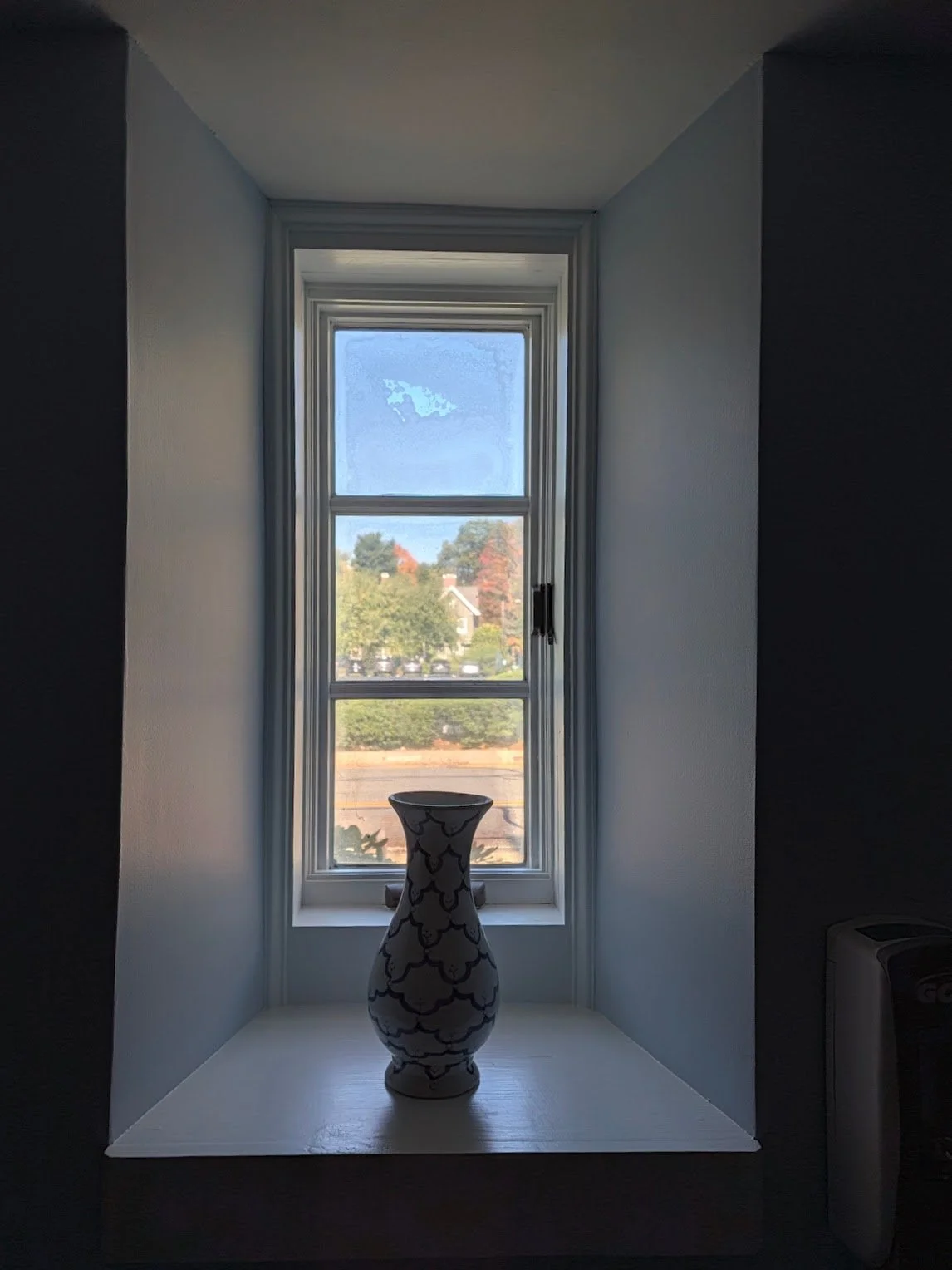
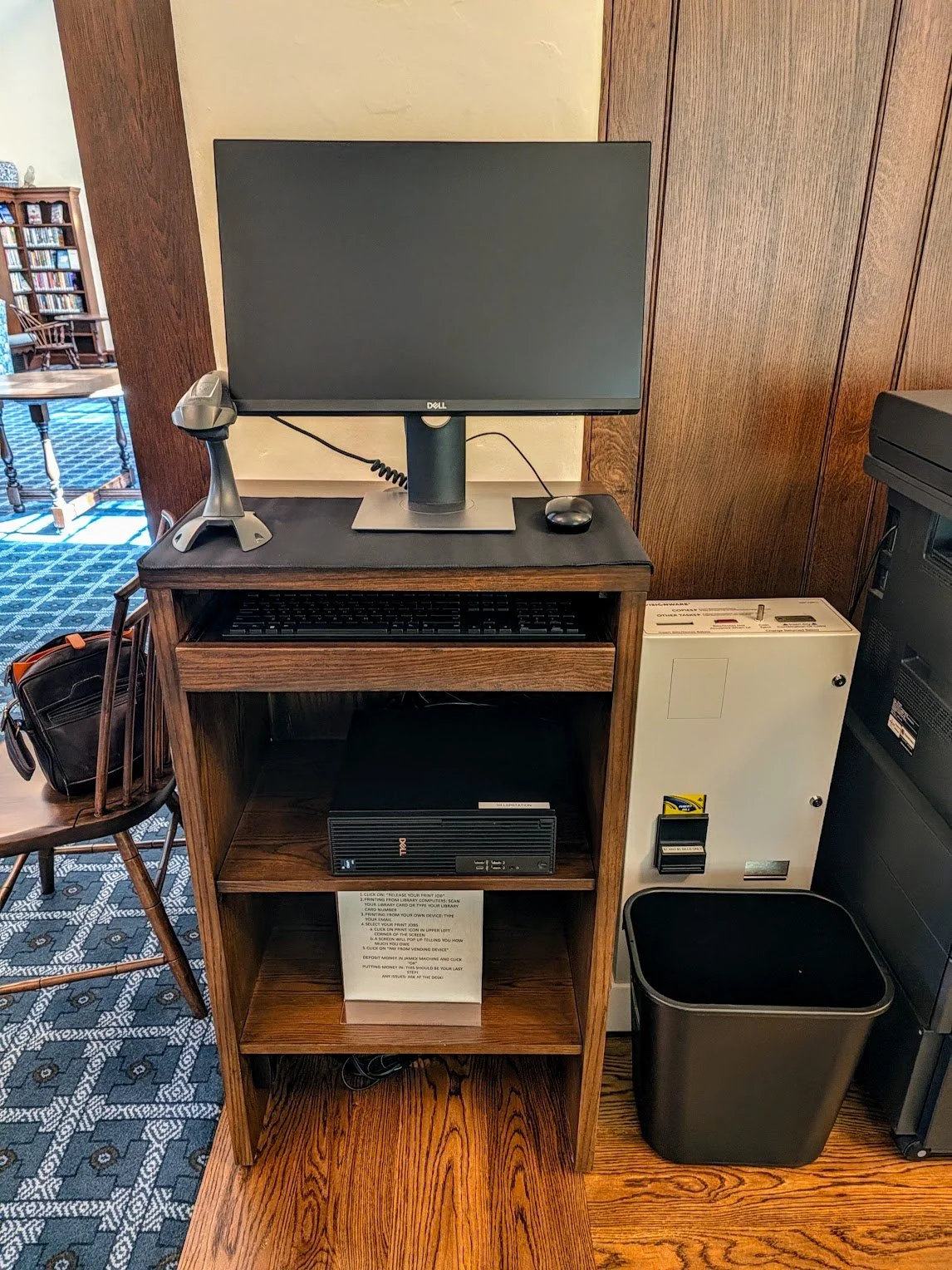
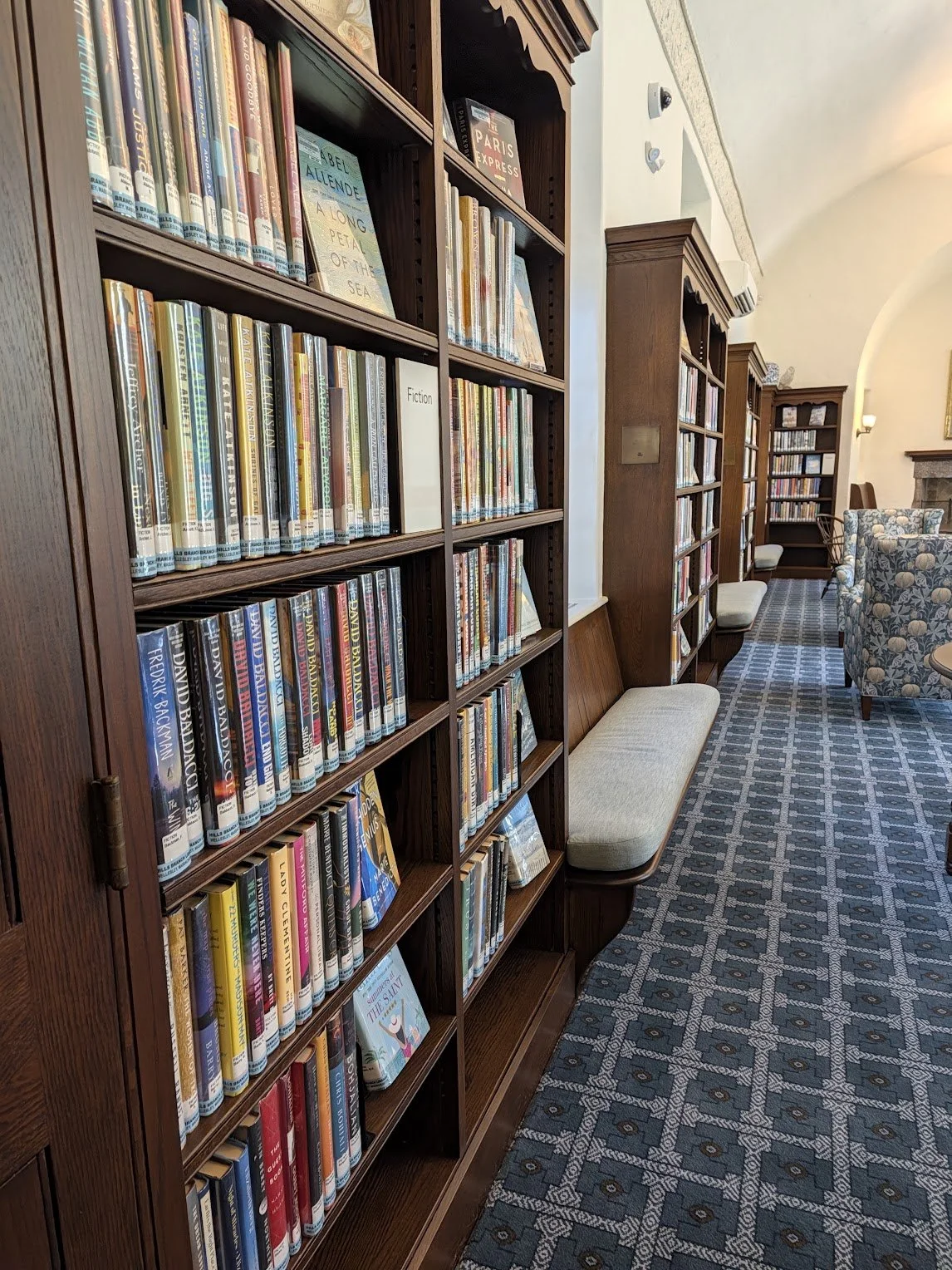
Between the desk and the fireplace are the adult collection, a variety of seating areas (including window seats), round tables, and public technology. Together, they reflect the library as a space for people to gather, read, and relax. According to Jamie, this branch essentially functions as a reading room. It complements the broad services of the main library and the Fells branch, which serves as a children’s library.
As much has changed and improved in this library, one feature couldn’t be altered: the strange audio phenomenon that lets you hear sounds from one end of the library with crystal clarity.
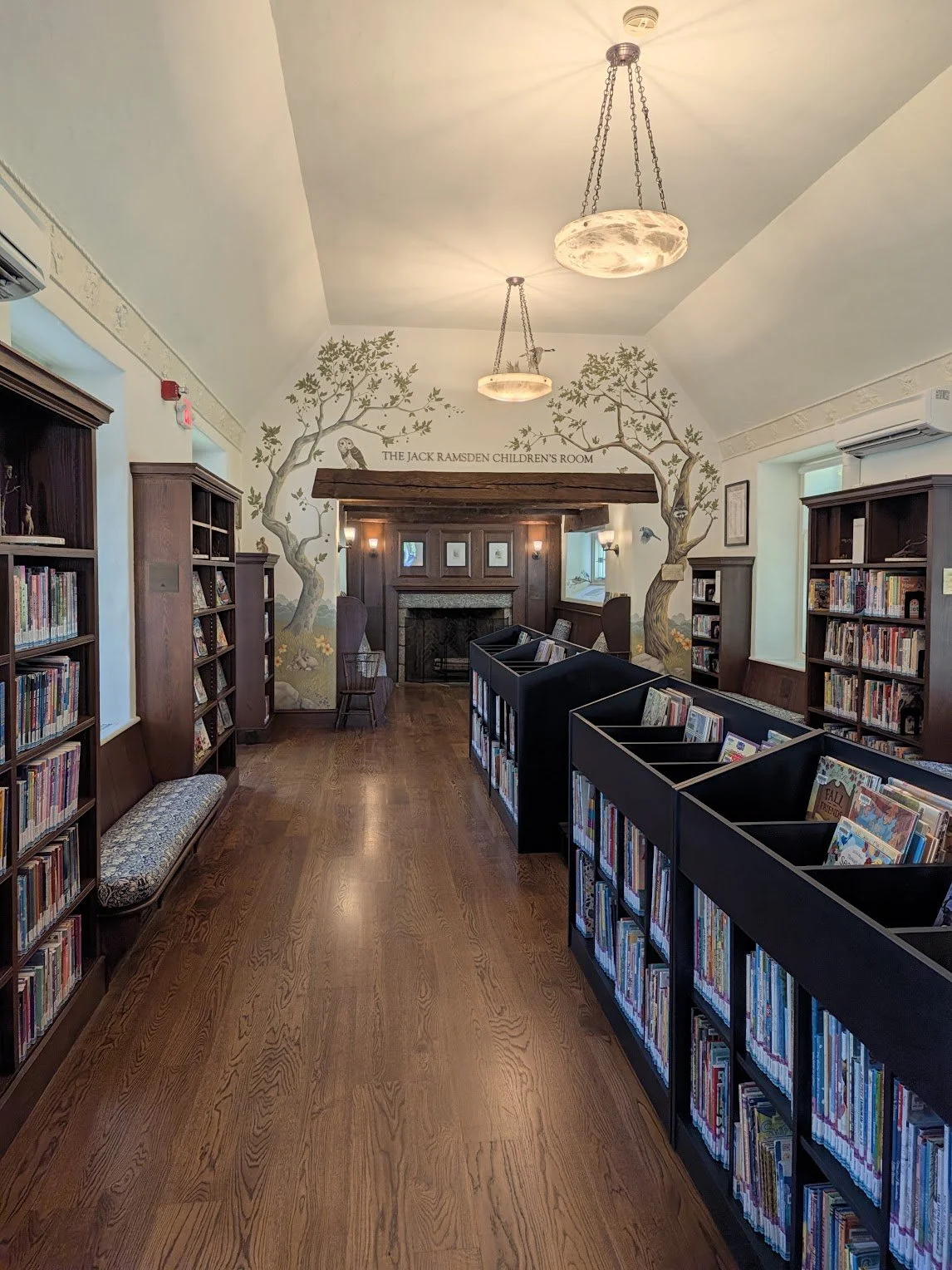
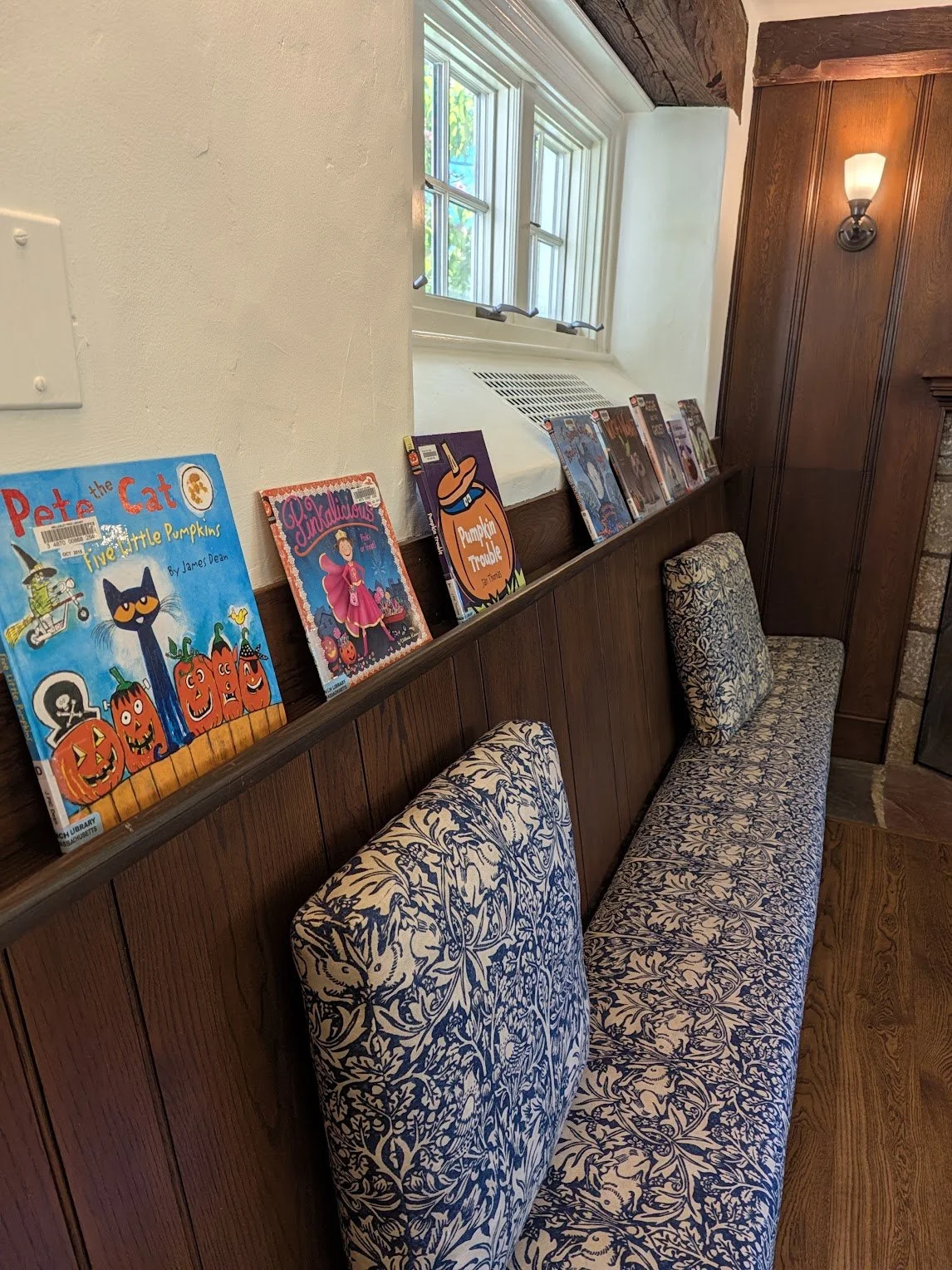
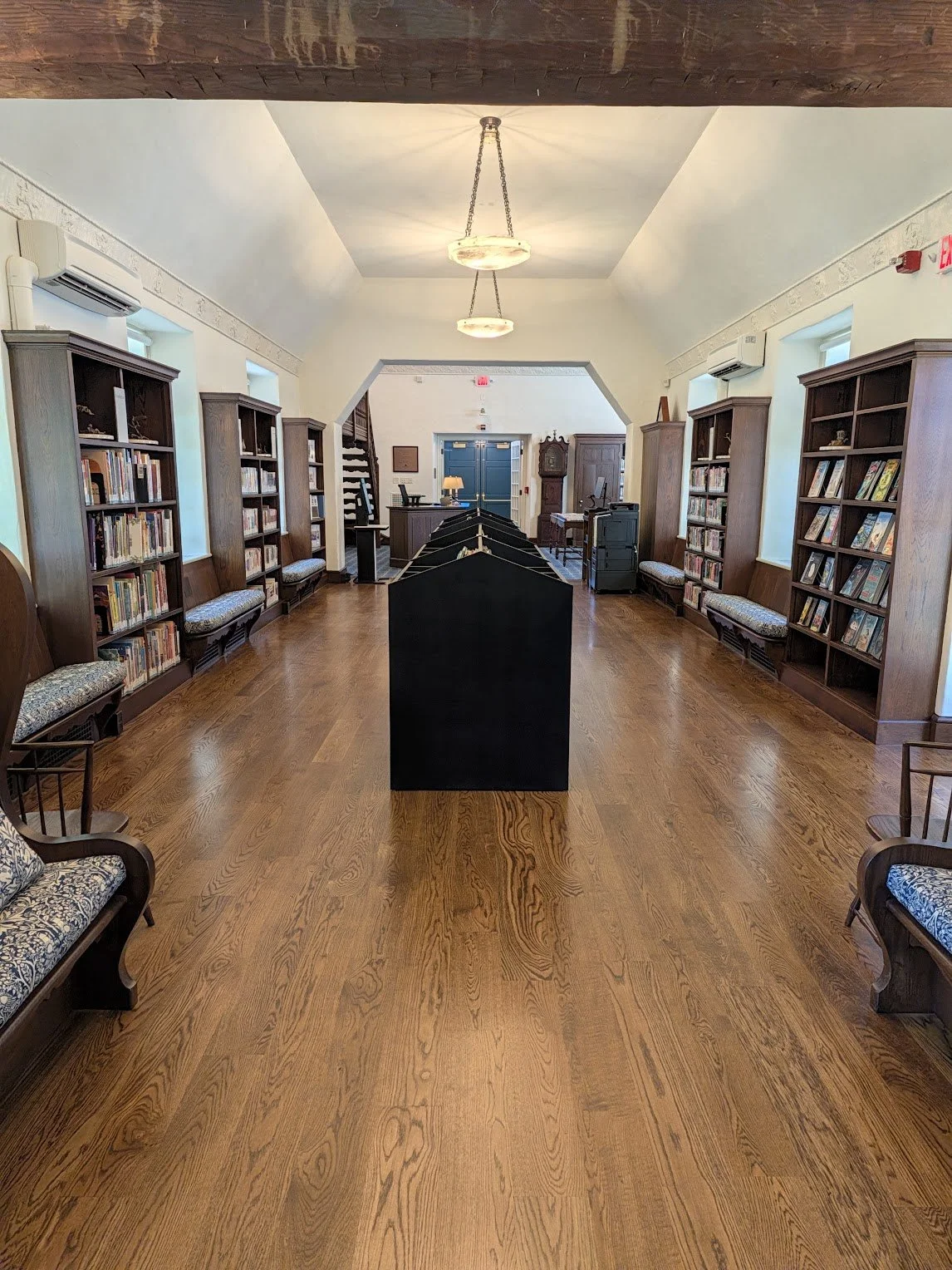
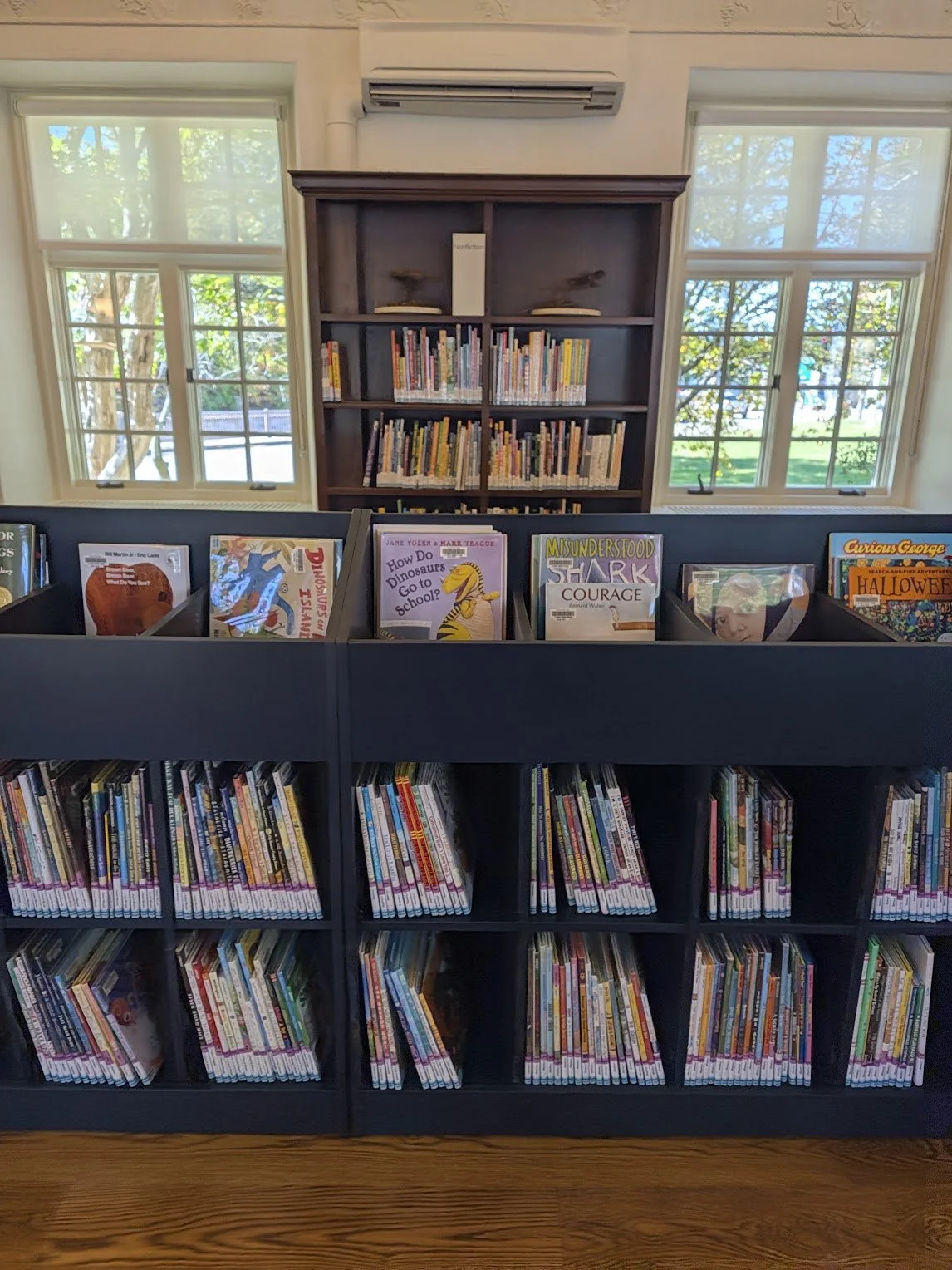
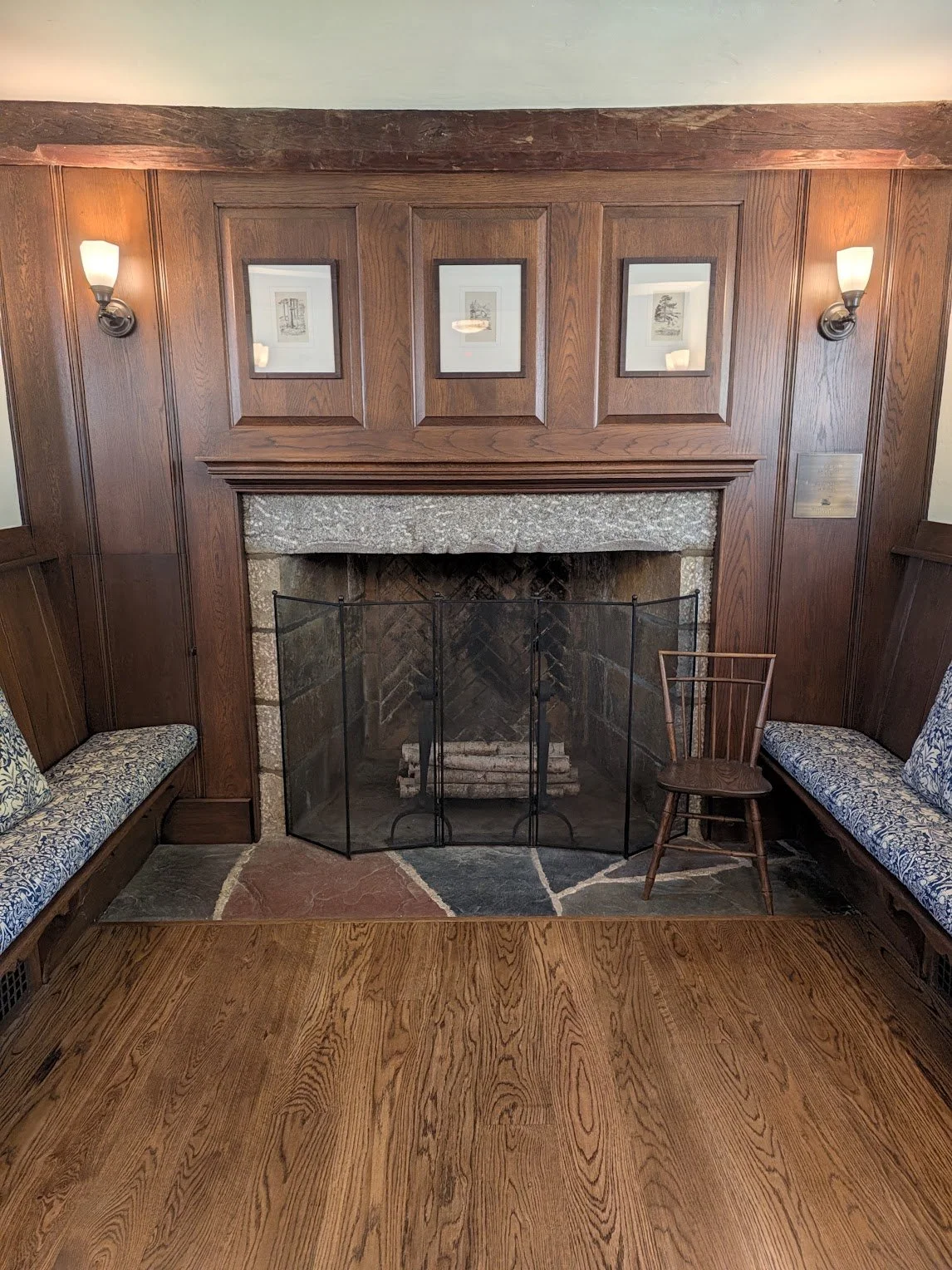
The children’s section is really something. It’s directly across from the entrance, with book bins in the center and the rest of the collection along the walls. Adorable small chairs and upholstered window seats are throughout the space. At the far end of the space, a fireplace and wooden benches sit.
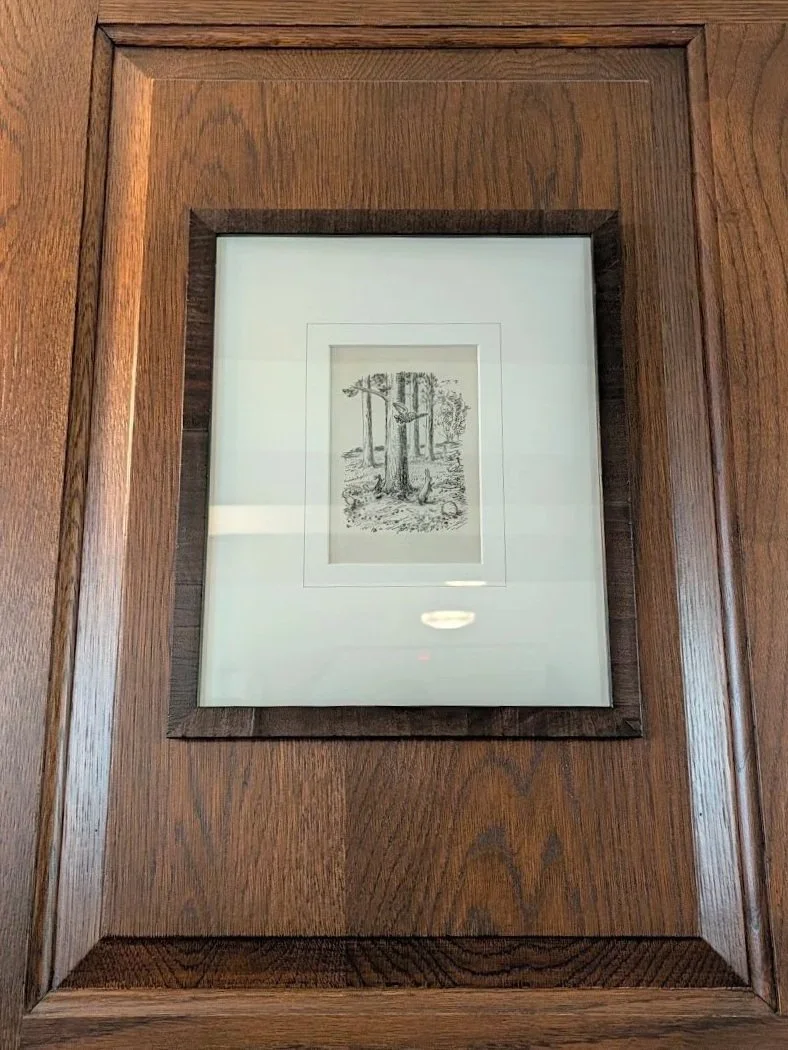
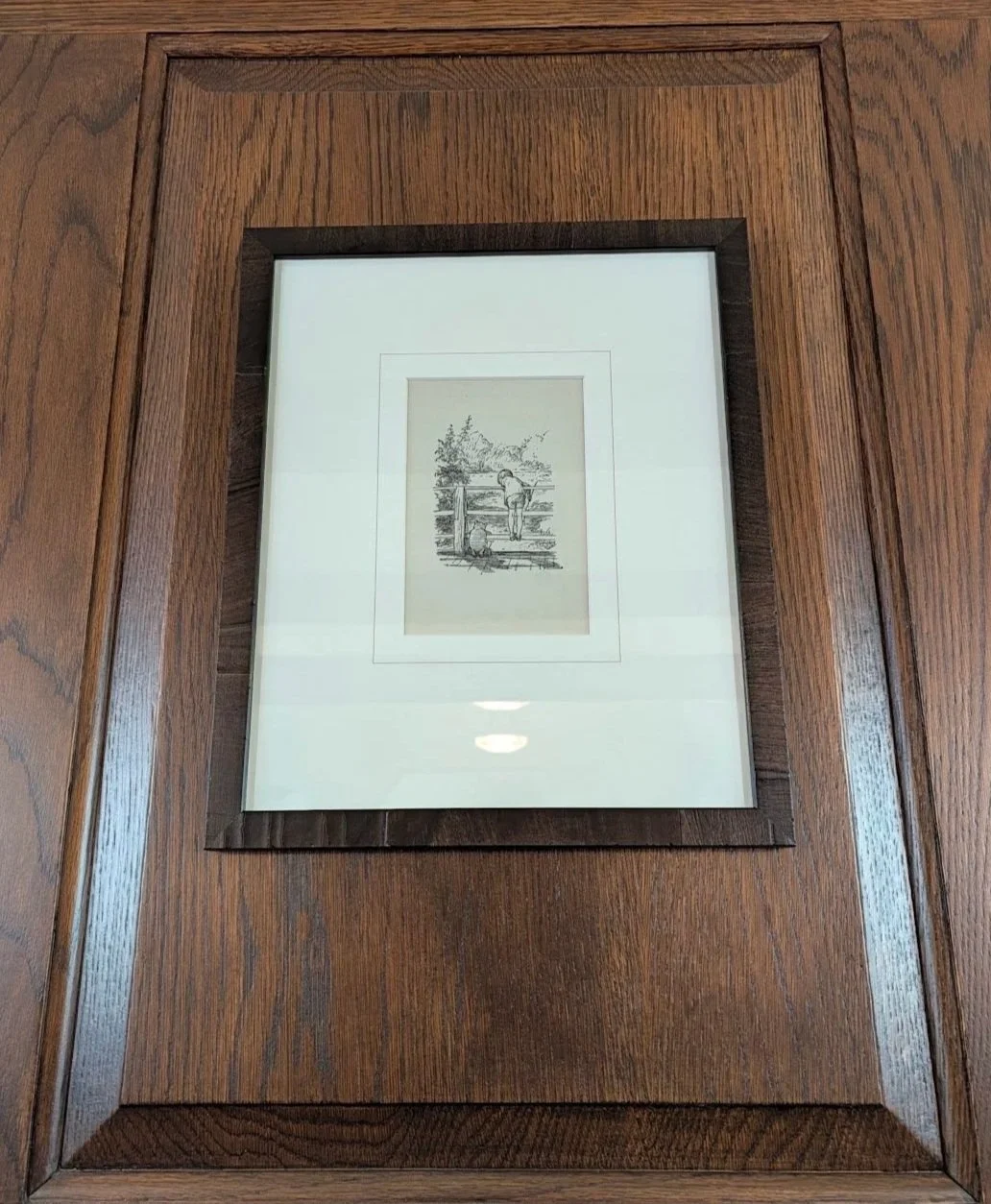
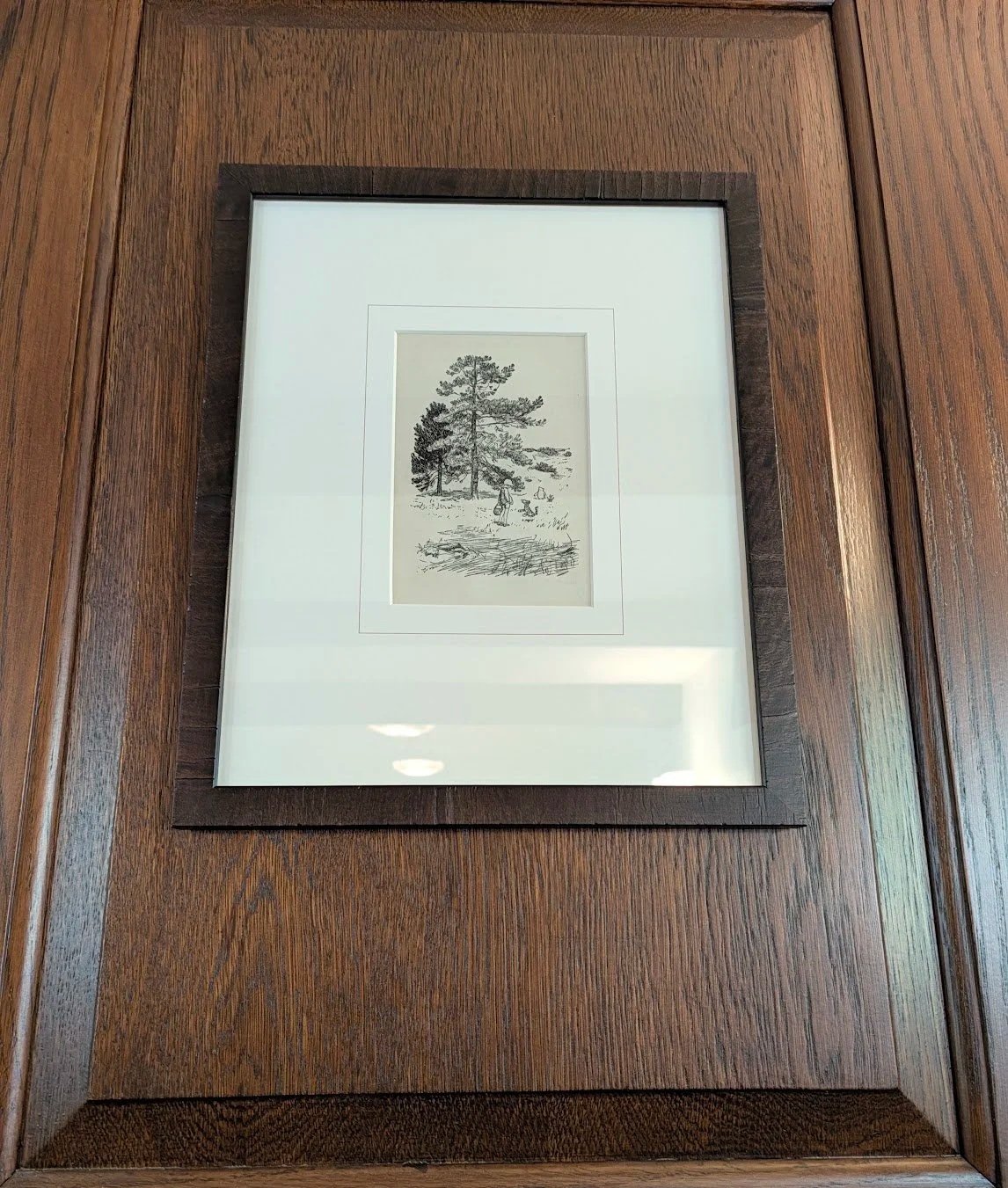
This fireplace, too, features the carved motif seen elsewhere in the library. Above the fireplace hang three delightful Winnie-the-Pooh prints. Richard told us they were from the second printing of the 1927 first edition and salvaged from a damaged volume.
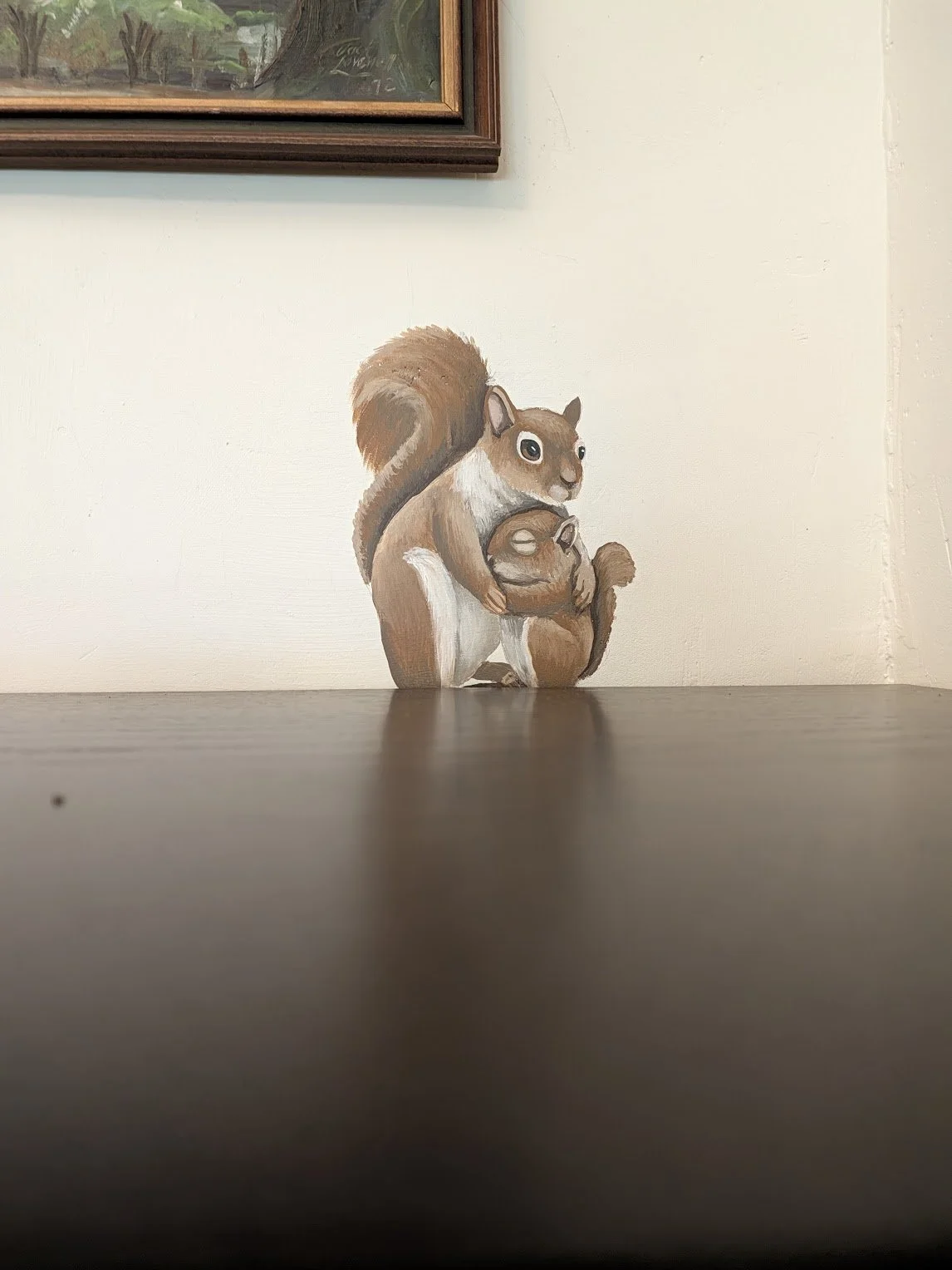
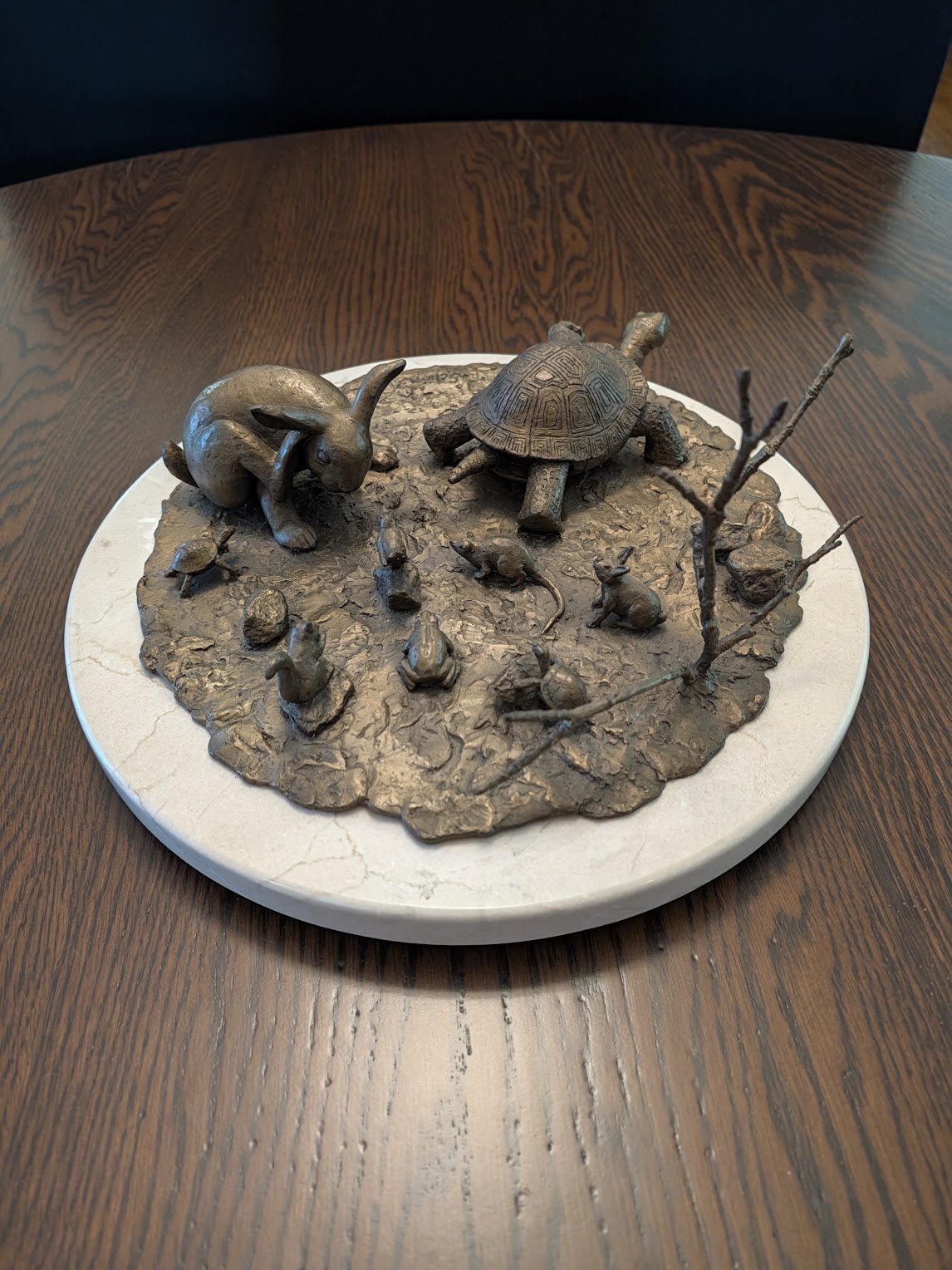
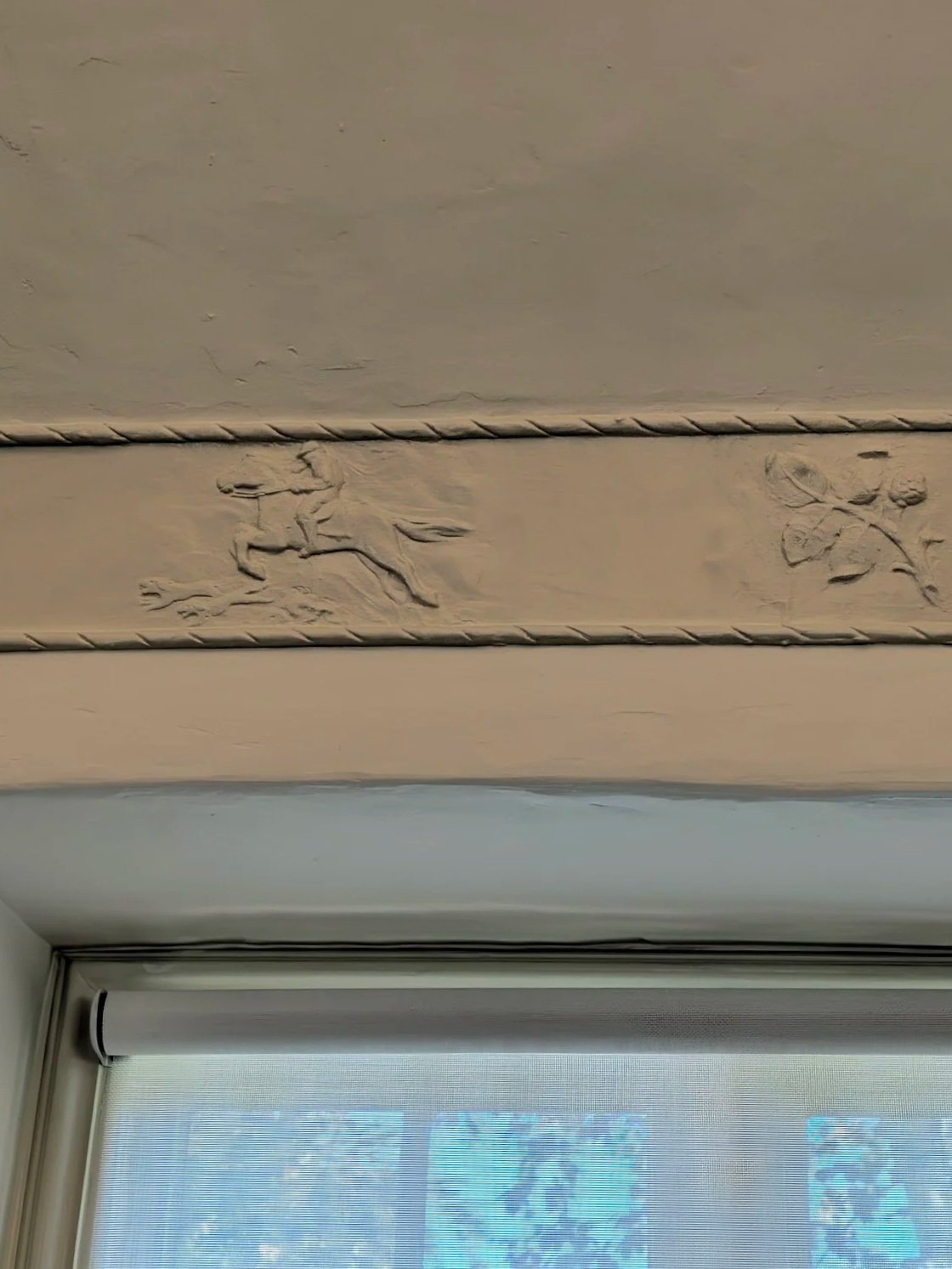
Art is everywhere in this section. A whimsical forest scene surrounds the entrance to the fireplace nook. Elements from the mural also appear throughout the children’s section, including squirrels that almost jump off the wall! A plaster frieze features horses and riders, monkeys, and other fun, engaging designs. Finally, several bronzes by Nancy Schön illustrate Aesop’s Fables.
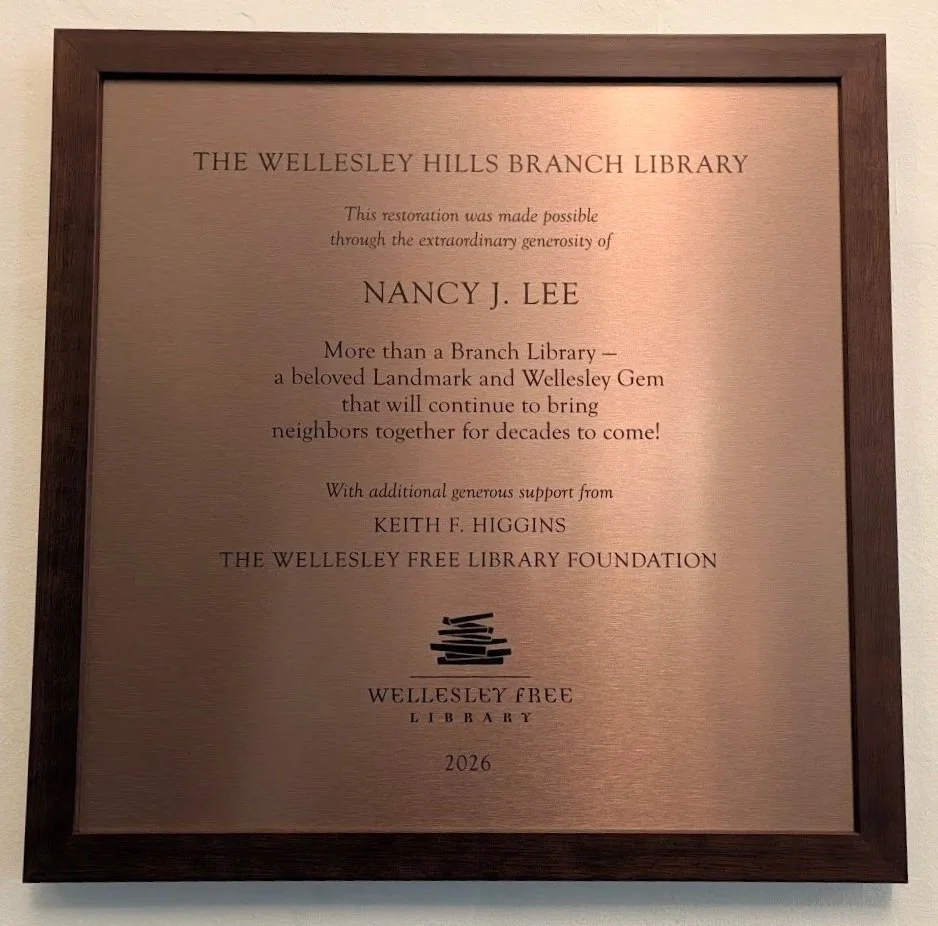
Library director Jurgensen, designer Eustic, their teams, the Friends and Foundation - and especially the generosity of Nancy Lee - all contributed to this amazing job. It has revitalized the library, preparing it for the next 100 years and beyond.